
Complete Dollar Store Reselling And Retail Arbitrage Guide
Dollar store reselling and retail arbitrage offer a genuine path to supplemental or full-time income with low startup costs. The model is straightforward: buy discounted or clearance inventory from dollar stores, then resell it at a profit on platforms like Amazon, eBay, or Facebook Marketplace. Execution, however, requires disciplined sourcing, accurate margin math, and platform know-how. This guide walks you through every stage.
What you’ll learn: - How to calculate whether a deal is worth buying before you pull the trigger - How to source efficiently from dollar stores and clearance sections - How to list and fulfill on Amazon FBA and eBay - Which tools to use for pricing research and demand validation - When and how to bring in professional support to scale
Market Overview & Data-Driven Insights
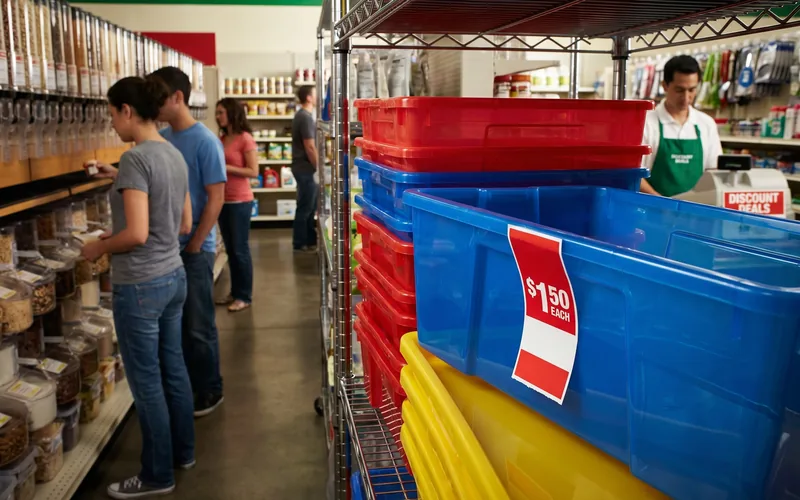
Dollar store retail arbitrage sits inside a broader discount retail sector that has grown consistently as consumers seek value and resellers seek margin. Understanding the mechanics of this market helps you source smarter.
The Core Arbitrage Opportunity
Dollar stores price for convenience and volume, not resale value. A $1.25 item at Dollar Tree may retail for $4–$8 on Amazon if it carries a recognized brand, is part of a discontinued line, or fills a niche demand. Your job is to identify that gap systematically, not by luck.
Where Margin Comes From
Margin in dollar store arbitrage typically comes from three sources:
- Brand recognition arbitrage: Name-brand health, beauty, or household products sold at dollar stores below their Amazon market price
- Regional scarcity arbitrage: Products available locally but not easily found by online shoppers in other regions
- Clearance and closeout arbitrage: Seasonal or discontinued items marked down to clear shelf space, which retain demand online long after stores stop stocking them
Understanding Sell-Through Rate
Not every cheap product is a good resell. A product with low Amazon demand will sit in FBA storage and accumulate fees. Before buying any lot, check:
- Amazon Best Seller Rank (BSR): Lower BSR = higher sales velocity. For most categories, target BSR under 100,000 for reliable turnover.
- Number of competing sellers: More than 20 sellers on a listing compresses your price and margin.
- Price history: A product that spiked once and dropped is not a reliable opportunity.
Platform Fee Reality Check
Gross margin means nothing without accounting for fees. On Amazon FBA, expect to lose 30–40% of the sale price to referral fees (typically 15%), FBA fulfillment fees ($3–$7 per unit for standard items), and storage fees. On eBay, seller fees run approximately 12–15% of the final sale price plus shipping costs if you offer free shipping. Build these into every buying decision before you purchase a single unit.
Introduction
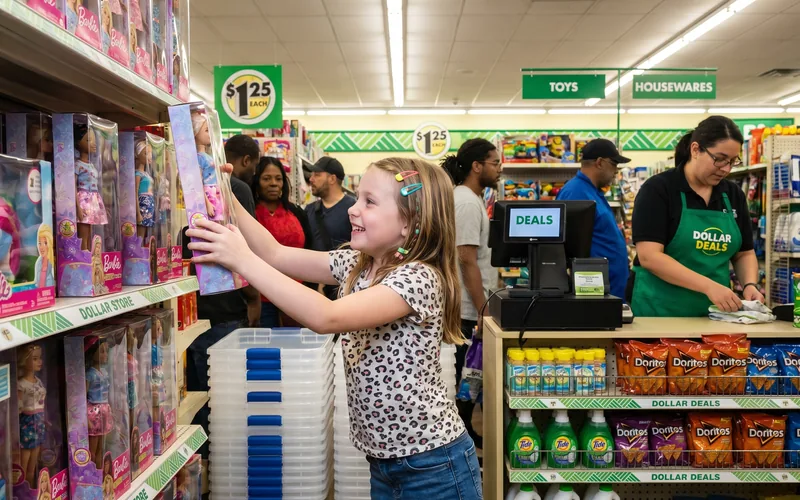
Overview
Dollar store reselling works because dollar stores operate on a different pricing logic than online marketplaces. Stores like Dollar Tree, Dollar General, and Five Below buy in bulk and price for foot traffic. Online buyers pay for convenience, selection, and availability. That gap is your business.
This guide is built around the operational reality of running a reselling business: finding inventory, evaluating it accurately, listing it effectively, and managing the logistics of fulfillment.
What You’ll Learn
Sourcing: How to walk a dollar store with a scanning app and a clear buying criteria checklist, so you leave with inventory that has confirmed demand and margin — not just items that seem cheap.
Retail Arbitrage Math: How to calculate your true cost per unit, your break-even price, and your target selling price before you commit to a purchase.
Platform Strategy: How Amazon FBA and eBay work differently, and how to choose the right platform for each product type.
Scaling: When to hire help, what kind, and how to evaluate whether the cost is justified by the time or revenue it recovers.