How to Find Affordable Stores Near You in 5 Easy Steps
You're Probably Wasting Money Because You Don't Know What's Near You
You're standing in a regular grocery store, watching the total climb past $80 for a basket that looks half-empty, and somewhere in the back of your head you're thinking: there has to be a better way. There is. Millions of people have already figured out that dollar stores, discount stores, and bargain stores can handle a huge chunk of their household shopping at a fraction of the cost, but the problem isn't that these stores don't exist near you. It's that most people have no system for finding them. They stumble into one by accident, save $30, and then never think to search for more options nearby.

This guide covers five practical steps for finding affordable stores in your area, whether you're looking for a classic dollar store, a discount variety store, a thrift store, or one of those closeout retailers that people sleep on way too often. Our directory alone lists 3,548 businesses with an average rating of 4.0 stars, so the options are out there. You just need a method for finding the right ones.
Step 1: Understand What Types of Affordable Stores Are Actually Available
Most people think "cheap stores" means one thing: a dollar store with bins of random seasonal stuff near the register. That's one type. But there's a whole category of affordable retail that most shoppers never fully explore, and each type serves a different purpose. Knowing the difference before you start searching saves a lot of wasted trips.
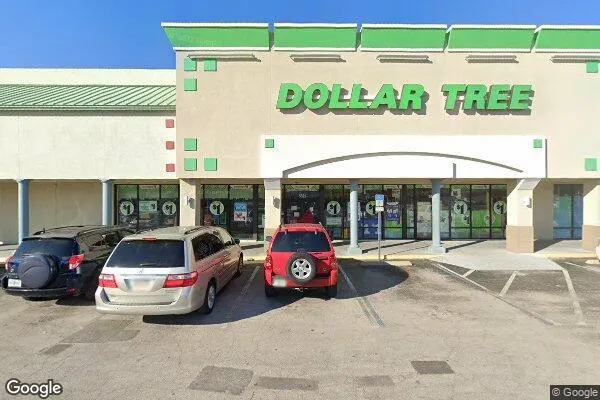
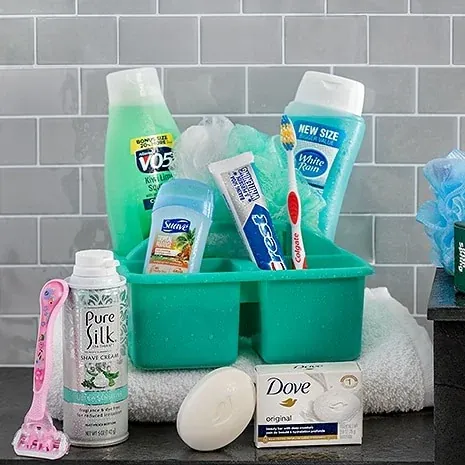
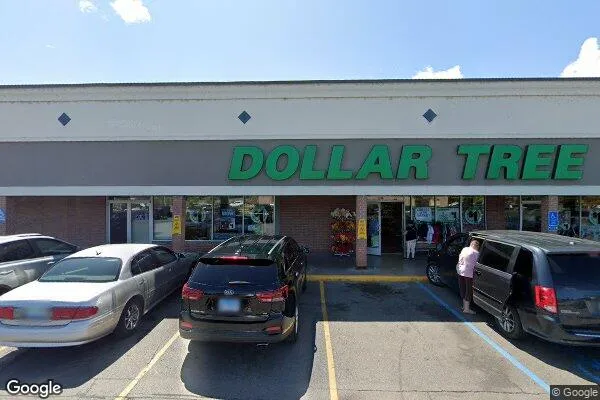
Dollar stores are the most obvious. Chains like Dollar General, Dollar Tree, and Family Dollar stock household essentials, snacks, cleaning products, and personal care items at very low prices. Some items are literally a dollar. Some are not, and that's fine, even the non-dollar items at these places are usually priced well below what you'd pay at a big-box retailer. These stores work best for replenishing things you go through fast: dish soap, paper towels, batteries, greeting cards, snack foods.
Discount stores and value stores are a step up in terms of variety. Think closeout retailers and overstock shops that pull in name-brand merchandise at reduced prices because the manufacturer had surplus inventory, discontinued a packaging design, or needed to move product fast. You can walk into one of these and find Tide detergent or a name-brand kitchen gadget for 40% less than anywhere else. The inventory changes constantly, which is annoying if you're trying to restock a specific item, but great if you enjoy a bit of treasure-hunting.
Thrift stores are a completely different animal. Places like Goodwill or local independent thrift shops deal in donated goods, clothing, furniture, books, kitchen items, and prices are often jaw-droppingly low. They don't work for everything (you're not buying toothpaste at a thrift store), but for clothing, home decor, and random household items, they're hard to beat. If you've never actually spent an hour in a good thrift store, you might be surprised what's on the shelves. A friend of mine once found a KitchenAid stand mixer for $18. True story.
Then there are store closeout retailers, which are weirdly underrated. These are businesses that buy out entire store inventories when a chain closes locations or a brand discontinues a product line. The stock is unpredictable, but prices can be absurd in the best way. Worth adding to your search list even if you're not sure what to expect.
Before you search, write down which store types match your needs:
- Dollar stores, for household basics, food, personal care
- Discount/value stores, for name-brand goods at reduced prices
- Thrift stores, for clothing, home goods, books, furniture
- Store closeout retailers, for surplus and discontinued merchandise
- Discount variety stores, for a mix of all the above under one roof
Do not limit your list to one type. Combining two or three of these into your regular rotation is how people consistently stretch a grocery and household budget.
Step 2: Use an Online Business Directory to Search Stores Near You
General search engines are okay for finding a specific chain, but they're a mess when you're trying to compare multiple affordable stores in a local area. You end up with a jumbled mix of ads, map pins, and results that don't tell you anything useful about ratings or hours until you click through four different pages. A dedicated directory built specifically for dollar stores and discount retail cuts through all of that.
Directories aggregate verified listings, addresses, hours, phone numbers, star ratings, customer reviews, in one view. You can filter by location, sort by rating, and get a real picture of what's near you without bouncing between tabs. If you've been Googling "where to find dollar stores near me" and getting frustrated, a directory search is genuinely faster.
Our directory currently lists 3,548 businesses. In practice, the top cities by listing count include Springfield with 40 listings, Columbus with 39, Wilmington with 34, Jackson with 29, and Charleston with 28. If you're in or near any of those cities, you have a lot of options. But even in smaller markets, the directory surfaces stores that don't always show up in regular search results, especially independent bargain stores and local discount variety stores that don't have big marketing budgets.
And while you're at it, if food budget is a concern, you might also want to check out salvage grocery options in your area. These are stores that sell short-dated, overstocked, or cosmetically damaged grocery items at steep discounts. Different from a dollar store but genuinely useful for reducing a food bill.
- Go to the directory and enter your ZIP code or city in the location filter
- Sort results by star rating to get the best-reviewed stores at the top
- Note store hours before you go, some bargain stores have limited hours
- Bookmark the directory so you can check it when new listings are added
Step 3: Evaluate Listings Using Ratings and Reviews
A star rating is a quick filter. Nothing more, nothing less. Use it to eliminate the obvious duds before you read anything else. Stores below 3.5 stars consistently in a directory with thousands of listings are usually struggling with something real, whether that's stock issues, pricing inconsistency, or staff problems. Do not give them the benefit of the doubt just because they're nearby.
Our directory average sits at exactly 4.0 stars across all 3,548 listings, which is actually a solid baseline. That means a store rated 4.0 is average for this category. You want to aim for 4.2 or higher when possible, and definitely look at how many reviews back up that rating. A 5.0 from two reviews is not the same as a 4.3 from 200 reviews.
Speaking of 5.0 ratings, here are some real standouts from the directory: Dollar General in Terre Haute, IN has a perfect 5.0 from 11 reviews. Dollar General in Brownsville, TX hits 5.0 with 10 reviews. Dollar General in Dunlow, WV, Dollar Tree in Polson, MT, and Dollar General in Fort Fairfield, ME all hold 5.0 ratings as well. These aren't flukes. Consistent perfect scores across multiple reviewers usually mean the store is genuinely well-run. Worth noting that small-town locations sometimes outperform urban ones in terms of service quality, lower foot traffic, more attentive staff.
Now, what to actually read in the written reviews. Skip the ones that are vague. "Great store, love it!" tells you nothing. Look for reviews that mention specific things: pricing consistency, whether the store was clean, what the inventory selection was like, how staff handled a return. Those details give you a real picture. If three different reviewers mention that a particular discount store restocks frequently, that's useful. If two reviewers mention long checkout lines with no mention of improvement, factor that in.
- Set 4.0 stars as your minimum filter for discount stores and bargain stores
- Prioritize stores with 10+ reviews over stores with 1-3 reviews, even if the latter has a higher rating
- Read the most recent reviews first, inventory and management can change fast
- Look for mentions of cleanliness, pricing, and stock variety in written reviews
- Red flag: multiple reviews mentioning empty shelves or pricing inconsistency
Step 4: Map Out Your Stores and Plan Trips Efficiently
Here's what nobody tells you about shopping at affordable stores: the savings only hold up if you're not burning gas and time running to five separate locations every week. A dollar store on the opposite side of town is not a deal if you're spending 45 minutes getting there. Typically, the whole point is to reduce what you spend. So once you've identified good options using the directory, spend ten minutes mapping them out relative to where you already go.
Group stores by proximity to your regular routes. If you pass a Dollar General on the way to work, that's your everyday restocking stop. If a good thrift store is near your kid's school, that's a Saturday errand. If a closeout retailer is 15 minutes away but you only need to go once a month for bigger purchases, that's fine, schedule it. What you're building is a simple, repeatable shopping rotation, not a random scattershot approach.
Also worth thinking about: parking. This sounds minor but it's not when you're doing a quick weekday run. Some discount variety stores in dense urban areas have genuinely terrible parking situations, which eats into your time and honestly your mood. If a store has a convenient lot, note that. It makes a difference in whether you'll actually stick to using the place regularly.
And don't forget to check store hours when you're mapping. Some bargain stores close earlier than you'd expect, 7 or 8 PM is common, and hours can vary on Sundays. Nothing worse than planning a stop and arriving to a dark parking lot.
- List your top 3-5 stores from your directory search
- Plot them on Google Maps alongside your regular weekly routes
- Note which stores handle which needs (food, cleaning, clothing, etc.)
- Set a rough schedule, don't just plan to "stop by whenever"
- Check and save each store's hours in your phone contacts or notes app
Step 5: Make It a Habit, Track What You Actually Save
Most people try discount shopping once, save a bit, and then drift back to their old habits within a few weeks. As a rule, the reason is simple: they never see the cumulative number. Saving $8 on a single trip doesn't feel like much. Saving $8 per trip, twice a week, for a year adds up to over $800. That's a real number. But you won't feel it unless you track it.
You don't need an app or a spreadsheet. Literally just note what you would have paid elsewhere versus what you paid at the value store or dollar store. Even a rough estimate. After a month, add it up. Most people who do this once never stop shopping at affordable stores again, because the number is usually bigger than they expected.
Beyond tracking savings, the habit-building part is about rotating your store visits intentionally. Do not treat these stores as backup options when you're low on cash. Treat them as primary stops for specific categories. Dollar stores for household basics and snacks. Thrift stores for clothing and random home goods. Closeout retailers for occasional bigger finds. This mindset shift is what separates people who save a little from people who genuinely change their monthly budget.
One more thing worth mentioning: stay on the directory. New listings get added regularly, and your local options will change over time. A new discount variety store might open near you. A highly-rated location might close. Checking back every month or two keeps your rotation current. And if you're also watching food costs, browsing a salvage grocery store directory alongside this one is a smart move, those stores handle a completely different slice of the budget that dollar stores don't cover as well.
- Track your savings, even roughly, for at least 30 days
- Assign specific store types to specific shopping categories
- Revisit the directory monthly to catch new listings or updated ratings
- Tell someone. Seriously, sharing a good find makes it stick
Real Examples From the Directory That Show What's Possible
People sometimes assume high ratings at cheap stores mean "good for a dollar store." That's not what these numbers reflect. A 5.0-star rating is a 5.0-star rating, and the stores in our directory earning that score are doing it with real volume. Dollar General in Terre Haute, IN has 11 reviews at a perfect 5.0. Dollar General in Brownsville, TX has 10 reviews at the same score. These are not outliers in a thin dataset; they're genuinely well-run locations that reviewers keep coming back to.
Dollar Tree in Polson, MT sitting at 5.0 stars is interesting too, because Polson is a small town on Flathead Lake in Montana. Not exactly a high-foot-traffic retail hub. But smaller locations sometimes run better because the staff knows the regular customers, stock is easier to manage, and there's more accountability. This is worth keeping in mind when you're searching: do not automatically skip over smaller or less well-known locations just because they're not a major chain hub.
Springfield leads our directory with 40 listings, which means if you're in that area, you have a genuinely wide set of options to compare. Columbus comes in at 39, Wilmington at 34. Even in markets with fewer listings, say, a city with 10 or 12 affordable store options, that's still more than most people have actively mapped out for themselves.
Frequently Asked Questions
What's the difference between a dollar store and a discount store?
Dollar stores (Dollar General, Dollar Tree, etc.) focus on fixed low-price-point merchandise, mostly essentials and consumables. Discount stores carry a wider range of goods, often name-brand surplus or overstock, at reduced prices that aren't necessarily a fixed dollar amount. Both can save you money, but they serve slightly different shopping needs. Use dollar stores for regular restocking runs and discount stores for occasional bigger finds.
Are the products at cheap stores lower quality?
Not always. Many affordable stores carry name-brand products, surplus inventory, and manufacturer overstock at reduced prices. For most shoppers, the quality is the same as what you'd find in a regular retailer. Some store-brand or generic items do sacrifice quality for price, so it's worth reading labels, but writing off an entire store category as "low quality" means leaving real savings on the table.
How do I know if a store near me is worth visiting before I drive there?
Check the directory rating and read at least five recent written reviews. Look for reviews that mention specific things like stock variety, cleanliness, and pricing. A store with a 4.2 rating and 30+ reviews is almost always worth a visit. A store with a 3.6 rating and complaints about empty shelves in multiple recent reviews, probably not.
What cities have the most affordable store listings in this directory?
Based on current directory data, Springfield leads with 40 listings, followed by Columbus (39), Wilmington (34), Jackson (29), and Charleston (28). If you're near any of these cities, you have a wide set of options to compare and a solid chance of finding several stores worth rotating into your shopping routine.
How often should I check the directory for new listings?
Once a month is enough for most people. New stores get added, ratings shift as reviews accumulate, and occasionally a location closes. A quick monthly check keeps your options current without turning it into a part-time research project.
Can I find food at discount stores and dollar stores?
Yes, many dollar stores carry a solid range of shelf-stable food, snacks, and even some refrigerated items depending on the location. For a deeper food-specific option, salvage grocery stores carry heavily discounted short-dated and overstocked grocery items that go well beyond what a dollar store typically stocks.
Final Word
Finding affordable stores near you is not complicated. It's just a matter of knowing what types of stores exist, using a directory to actually surface them, reading ratings and reviews before you commit to a trip, mapping out your options efficiently, and then making it a real habit instead of a one-time thing. Five steps. None of them hard.
3,548 listings. 4.0 stars average. Most options are there. Go find yours.
More Ways to Save
Find Dollar Stores Near You
Browse our directory of 3,548+ verified dollar stores, discount stores, and bargain stores with ratings and reviews.
Search the Directory