How to Evaluate Dollar Store Quality: A Practical Checklist for Smart Shoppers
Most people assume dollar stores are pretty much the same. Walk in, grab some dish soap and a birthday card, pay almost nothing, leave. But that assumption costs people money more often than they'd probably admit.
Across 17 dollar store businesses listed in our directory, spread across 5 cities, the average customer rating sits at 3.9 stars. That sounds decent until you realize the gap between the top performers and the bottom ones is enormous. Pineview Salvage Groceries in Middlefield, Ohio pulls a perfect 5.0 stars. Some stores in the same category sit well below a 3. Same concept, wildly different reality. A practical checklist for evaluating quality before you spend is not a luxury for picky shoppers. It is just smart.
This guide is going to break down exactly how to evaluate a dollar store before you trust it with your grocery money, your cleaning supply budget, or anything else. We'll go through the myths people believe about these stores, what the exterior and interior actually tell you, and how to check specific product types. By the end, you'll have a real system, not just vague advice about "checking dates."
Myth #1: All Dollar Stores Are Basically the Same
This one is probably the most damaging belief a shopper can carry through the door. Dollar stores are not a monolith. There are at least three distinct types operating right now, and they have genuinely different quality benchmarks you should hold them to.
First, there are true single-price stores, where everything costs exactly one dollar (or some fixed low amount). Dollar Tree is the classic example. Product selection is curated to hit that price point, which means quality is consistent within a category but the variety is limited. You know what you're getting. Second, there are variety discount stores where prices range from $1 up to $5 or more. Five Below lives here. Quality varies much more widely because the price ceiling is higher and products come from a broader range of suppliers. Third, and this is the type most people underestimate, there are closeout and liquidation dollar stores. These are the ones that buy overstock, discontinued products, and near-expiry food from larger retailers and sell them at steep discounts.
That third category deserves its own conversation. Stores like JohnJohn's Country Store in Kensington, Ohio (rated 4.9 stars across 38 reviews, which is a serious sample size) and South Side Discount Groceries in Middlefield, Ohio (4.6 stars from 640 reviews) operate more like salvage grocery stores than traditional dollar stores. If you've never explored that type of store, salvage grocery stores have their own directory worth browsing, because they function differently from a standard discount chain and reward shoppers who know how to evaluate inventory on the fly.
The actionable point here is simple: before you walk into any dollar store, figure out which type it is. That determines what questions you should be asking and what quality you can reasonably expect. Going in expecting Dollar Tree consistency from a liquidation store will frustrate you. Going in prepared to check dates and packaging on a salvage store will probably get you some genuinely great deals.
Look at the price tags near the entrance. If everything is one price, you're in a fixed-price store. If you see a range from $1 to $10 with no clear pattern, you're likely in a variety or closeout store. Adjust your product scrutiny accordingly before picking anything up.

Myth #2: A Clean Exterior Doesn't Tell You Anything About What's Inside
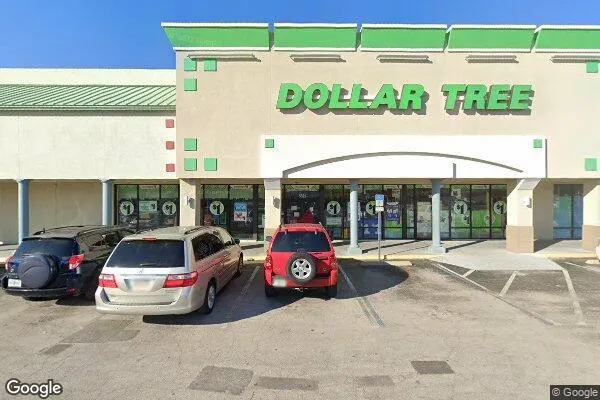
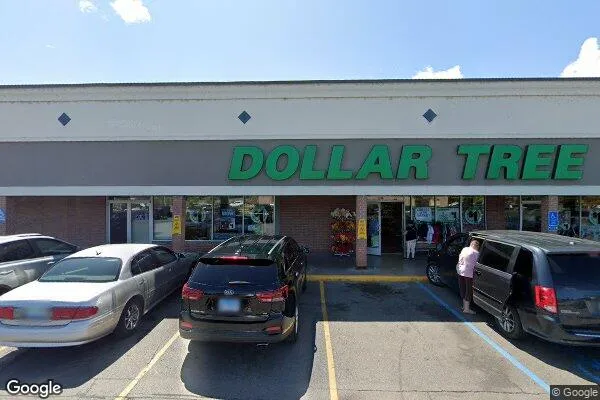
Plenty of shoppers walk past a dingy entrance, a flickering sign, and a parking lot full of loose shopping carts and think, "So what, it's a dollar store." And then they end up inside a disorganized, understocked mess and wonder why they're frustrated. The outside of a store is not decorative. It is data.
Spend sixty seconds before you enter. Seriously, sixty seconds. Is the signage current and readable? Are posted hours actually visible? Is there active promotional material that looks recent, not sun-bleached from three years ago? Is the entrance clear, or are there boxes and stray merchandise blocking the way? These details tell you whether someone is actively managing this location or just keeping the lights on.
Okay, I'll admit the parking lot thing sounds almost too minor to matter. But I've walked into stores where the lot was reasonably clean and orderly and found a well-stocked, organized interior, and walked into stores where the entrance looked like an afterthought and found exactly what the entrance promised. Management attention is either present or it isn't, and it shows up everywhere at once.
Chain stores, like Dollar General or Dollar Tree, follow standardized protocols that carry through to exterior upkeep. Independent operators vary enormously. Middlefield, Ohio is a good example of this: 6 of the 17 listings in our directory are clustered right there, and they include both the highest-rated store (Pineview Salvage Groceries at 5.0 stars) and a spread of others. Geographic concentration doesn't mean uniform quality. Each location earns its rating separately.
If three or more exterior signals look off, adjust your expectations before you even touch a product inside. You can still find good items, but you need to be more careful, not less.
Count these: clean signage, visible hours, uncluttered entrance, working exterior lighting, current promotional materials. If you score 3 or fewer out of 5, bring more skepticism inside with you. That's not pessimism, that's just calibration.
Myth #3: Product Quality Is the Same Across All Categories
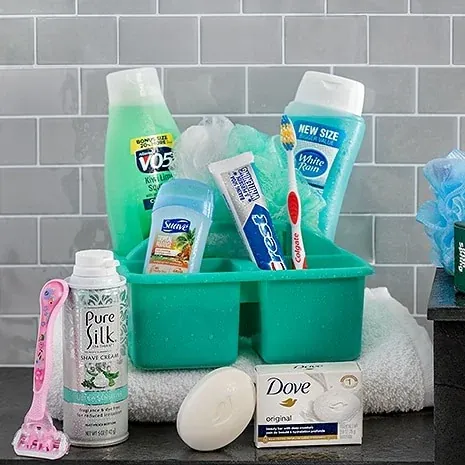
This myth leads to some really specific regrets. Cleaning supplies bought at a dollar store? Generally fine. A bottle of dish soap is a bottle of dish soap, and the formulas are often comparable to name brands. Party supplies, gift wrap, basic office supplies, picture frames, seasonal decorations? Dollar stores consistently deliver solid value in all of these.
Food is a completely different story.
Dollar stores, especially the salvage and closeout type, legally sell products close to or even at their best-by dates. That's not a scam, it's the business model. In practice, the discount reflects the timeline. But you need to check every single food item before it goes in your cart. Every one. Not just canned goods. Snacks, condiments, spices, baking supplies. Check the date, then check the packaging for any signs of damage, swelling, or broken seals.
Electronics and health products need the most scrutiny of all. A $2 phone charger from an unknown brand is almost certainly going to fail within weeks and, depending on the build quality, could be a safety issue. Health and beauty products from unfamiliar manufacturers may not meet the same standards as recognizable brands. This isn't fearmongering. It's just the reality of what happens when products are sourced from a wide variety of suppliers at the lowest possible cost.
Kurtz Discount Groceries in Middlefield pulls 4.6 stars across 582 reviews. That volume of positive feedback on a grocery-oriented discount store suggests customers have figured out which categories to trust there and which to pass on. High review counts at a steady rating usually mean the store has a loyal customer base that knows how to shop it well.
A quick category cheat sheet for dollar store shopping:
- Generally safe bets: Cleaning supplies, paper products, gift wrap, party supplies, seasonal decor, basic pantry staples with distant dates
- Check carefully: Canned and packaged food, condiments, over-the-counter medications, vitamins
- Buy with real caution: Electronics, chargers, batteries (especially for devices), tools, anything requiring certification for safety
- Usually not worth it: Name-brand lookalike personal electronics, anything claiming to replace a professional-grade product
Myth #4: Staff and Store Organization Don't Affect Product Quality
This one is subtle but genuinely important. People tend to think of staffing as a customer service issue, separate from whether the products on the shelf are any good. But staff presence and store organization are directly connected to inventory quality in ways that aren't obvious at first.
A store where employees are visible on the floor, restocking actively, and able to answer a basic question about where something is located is a store where inventory gets rotated. Rotation matters a lot in any store selling food near its best-by date. Products sitting in the back of a shelf for months because nobody rotated the stock are more likely to be expired by the time you pick them up. A staffed, organized store is a safer food store.
Look at the shelves themselves. Are products faced forward? Are similar items grouped together? Is there clear category signage? A store where the cleaning supplies are mixed in with the snacks and nobody seems to know where anything is has a management problem, and that management problem affects what you're actually buying.
Also worth watching: checkout line management. A store that lets lines back up six people deep while one register sits empty and nobody comes to open it is telling you something about how it operates overall. It's a small signal, but it fits a pattern.
When you visit a dollar store for the first time, run this three-point interior check in about five minutes. Cleanliness and organization first, a quick scan of product packaging on 8 to 10 random items second, and a brief read of staff presence third. It sounds like a lot but honestly takes less time than picking out a greeting card.
Spot-check 10 random items for packaging damage: dents, tears, broken seals, swollen cans. If more than 1 or 2 of those 10 have visible issues, that's above the acceptable rate for a well-managed store. You don't have to leave, but you should check everything you buy individually rather than assuming the shelf stock is clean.
Myth #5: High Ratings Mean Every Visit Will Be Great
This is actually the most optimistic myth, and it's the one that catches people who have done their homework. A 4.9-star rating like the one JohnJohn's Country Store carries is impressive and worth trusting as a signal. But ratings are averages across time and across reviewers, and individual visits can vary more than the rating suggests.
Mast Discount Grocery in Volant, Pennsylvania holds a 4.9 across 10 reviews. That's a strong score but a smaller sample. South Side Discount Groceries in Middlefield carries 4.6 stars from 640 reviewers, and that volume tells a more reliable story. More reviews mean the rating has been stress-tested across more shopping trips, more days of the week, more seasonal inventory cycles.
Wait, that's not quite the full picture. Review counts matter, but so does recency. A store that earned 500 reviews over ten years and has been sliding lately could have a misleading overall average. Always sort reviews by most recent when you can, especially for salvage and closeout stores where inventory quality can shift based on what suppliers they're currently working with.
There's also the question of what reviewers are actually rating. A dollar store with 4.8 stars might be earning that from customers who love the prices and friendly staff but who aren't checking expiration dates. Their satisfaction doesn't mean the food safety practices are perfect. Ratings measure customer experience. You still have to do your own product-level evaluation every time.
And for stores in the salvage grocery category specifically, check out the broader salvage grocery store directory to compare ratings across similar businesses before deciding which ones deserve your regular business. Seeing a store rated against its peers in the same category is more useful than comparing it against a chain dollar store.
Weight reviews by recency and volume together. A store with 600+ recent reviews at 4.5 stars is more reliably good than one with 8 reviews at 5.0 stars. Look for patterns in negative reviews too: if multiple people mention expired food or disorganized shelves, believe them.
What This Means For You
Shopping dollar stores well is a skill, not luck. The 3.9-star average across 17 businesses in our directory means roughly half of these stores are above average and half are below it, and the difference between a 5.0 experience and a 3.0 experience is real money and real frustration.
Here's the system, compressed:
- Identify the store type before entering. Fixed price, variety discount, or salvage/closeout. Your expectations and your scrutiny level should adjust accordingly.
- Run the 60-second exterior check. Signage, lighting, entrance condition, posted hours, current promotions. Three or more negatives means bring more caution inside.
- Do the five-minute interior check. Cleanliness, shelf organization, and a quick packaging scan of 8 to 10 items. More than 10% showing damage is a red flag.
- Know your categories. Cleaning supplies and party goods are generally fine. Food needs date checks every single time. Electronics and health products need real scrutiny or just skip them.
- Read ratings with volume and recency in mind. High ratings matter more when they come from many recent reviewers. Sort by newest when you can.
Dollar stores offer genuinely good value in the right categories at the right stores. That 640-review, 4.6-star rating at South Side Discount Groceries didn't happen by accident. Customers found a store that delivers consistently and kept coming back. You can find your version of that, in whatever city you're in, if you know what to look for.
How do I know if a dollar store is a salvage/liquidation store versus a regular discount store?
Look at the inventory variety and pricing pattern. Salvage and liquidation stores often carry recognizable brand names at very steep discounts, with visible best-by dates that are close. Regular discount stores tend to carry store-brand or generic products at consistent prices. Salvage stores also often have changing inventory because they buy what's available, so the selection shifts from visit to visit.
Is it safe to buy food at dollar stores?
Yes, with the right approach. Check expiration dates on every item. Inspect packaging for damage, swelling, or broken seals. Avoid canned goods with dents near the seam. Stores with high review volumes and recent positive ratings, like the top-rated stores in Middlefield, Ohio, typically maintain good food safety practices, but you should still check individually every time.
Are dollar store cleaning products as effective as name brands?
For most everyday cleaning tasks, yes. Basic dish soap, all-purpose spray cleaners, sponges, and paper towels from dollar stores perform comparably to name brand equivalents at a fraction of the cost. This is one of the most consistently good value categories across all dollar store types.
How much should I trust online ratings for dollar stores?
Trust them as a starting signal, not a guarantee. Weight stores with higher review volumes more heavily. A store with 600 reviews at 4.6 stars, like South Side Discount Groceries, is more reliably evaluated than one with 8 reviews at 5.0 stars. Always check recent reviews for any pattern of complaints about specific issues like expired products or poor organization.
What products should I never buy at a dollar store?
Power adapters and phone chargers from unrecognized brands, medications where dosage and formulation matter, tools that need to hold up under real pressure, and anything where a failure has safety consequences. For everything else, evaluate by category and packaging condition rather than writing off the whole store.
Explore Related Directories
Find Dollar Stores Directory Near You
Browse our directory of 17+ businesses across Middlefield, Cleveland, Harrisburg, Folsom, and more. Compare ratings, read recent reviews, and find the best dollar stores in your area before your next shopping trip.
Search the Directory