Dollar Store vs. Thrift Store: Which Actually Saves You More Money?
Most people assume dollar stores are always the cheaper option. That's not really true, and once you start paying attention to what you're actually buying at each type of store, the picture gets a lot more complicated fast.
Both dollar stores and thrift stores serve a real purpose for budget-conscious shoppers. But they are built on completely different models, and the "better value" question doesn't have a single answer. It depends on what you need, when you need it, and honestly, how much time you're willing to spend looking. Our directory currently lists 3,548 discount and bargain store businesses across five major cities, with an average customer rating of 4.0 stars, so people are clearly using both types of stores and finding value in them. This guide breaks down exactly when each type wins, what to buy where, and how to shop smarter at both.
1. Understanding What You're Actually Walking Into
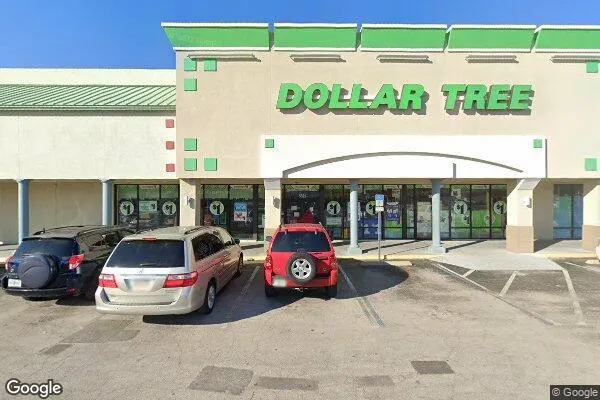
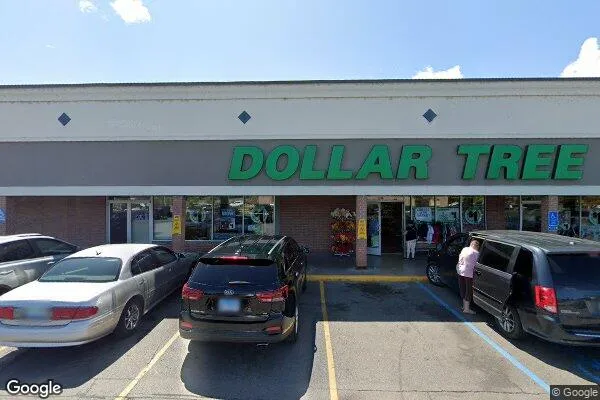
Dollar stores, at their core, are fixed-price or low-price retail chains selling new merchandise. Dollar Tree, Dollar General, and Family Dollar are the big three. They stock consumables, cleaning supplies, food, seasonal stuff, and basic household goods at price points that stay pretty consistent week to week. You walk in knowing roughly what things will cost. That predictability is genuinely useful when you're working a tight budget.
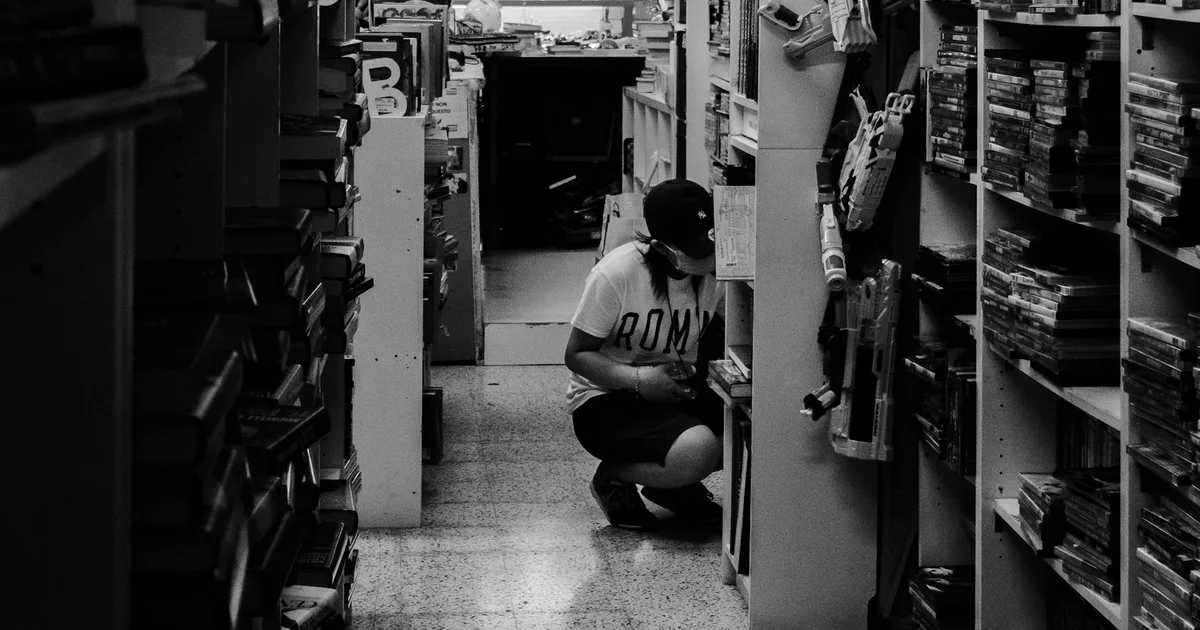
Thrift stores work almost the opposite way. Goodwill, Salvation Army, and local resale shops sell donated or consigned secondhand goods. Prices vary by item, by store, by region, and by whatever volunteer happened to price-tag things that morning. Inventory rotates constantly because donations keep coming in. What surprised shoppers who are new to thrift stores is that this chaos is also the point. High-quality, name-brand, sometimes barely-used items show up regularly because donors just want stuff gone.
One structural thing worth knowing: dollar stores dominate in accessibility. Springfield leads our directory with 40 listings, Columbus follows with 39, Wilmington has 34, Jackson has 29, and Charleston rounds out the top five with 28. If you're searching for where to find dollar stores near me, chances are there's one pretty close. Thrift stores are less concentrated but tend to anchor in larger towns and near donation-heavy suburbs.
Before any shopping trip, decide what category of items you need. Consumables and cleaning products? Head to a dollar store. Clothing, kitchenware, or furniture? Start at a thrift store. Mixing up your strategy based on what's on your list will save you more than picking one store type and sticking to it religiously.
2. Pricing: Where Each Store Type Actually Wins
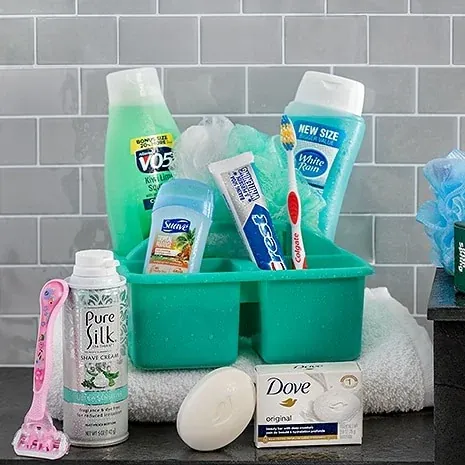
Dollar stores offer fixed, transparent pricing. Most items run $1 to $5 for new goods, and that makes budgeting easy. You can plan a $20 trip and know you'll leave with roughly what you expected. For everyday consumables like dish soap, paper towels, candy, seasonal decorations, and snack foods, dollar stores typically win on price per unit. Not always by a huge margin, but consistently enough to matter over a year of shopping.
Thrift store pricing is all over the place, which is both the frustration and the opportunity. Clothing might run $2 to $10 per piece. Furniture ranges from $10 to $100 or more depending on condition and the store's location. Books are often under a dollar. And here's where it gets interesting: a name-brand jacket that retailed for $150 might sit on a thrift rack for $8. That's 90-plus percent off retail. Dollar stores simply cannot compete with that kind of saving on durable goods.
For everyday consumables, dollar stores win. For anything with a brand name or longer lifespan, thrift stores win. Those are the two rules to tattoo on your brain before you shop.
One thing I've clocked over time is that dollar stores have quietly raised prices in recent years. Dollar Tree famously moved from a strict $1 cap to a $1.25 standard, and some items now go up to $7 in their "Dollar Tree Plus" sections. So the "everything's a dollar" thing is a bit outdated. Still cheap, but not uniformly so. Thrift store pricing, meanwhile, has also crept up in urban areas where resellers hunt for flips, so rural thrift stores often offer better deals than city ones.
At dollar stores, always check the unit price on cleaning and food items. Sometimes a $1.25 bottle of dish soap is a great deal. Other times, your regular grocery store's store brand is cheaper per ounce. Pull out your phone calculator. It takes 30 seconds and can save you from a bad habit of assuming everything in a discount store is the best price available.
3. Quality: New Doesn't Always Mean Better
Dollar store merchandise is new. That's genuinely reassuring for certain categories. You're not worried about where a bottle of cleaning spray has been or whether someone's used it. For disposable or consumable products, being new is really all that matters.
But dollar store quality varies a lot depending on what you're buying. Cleaning supplies, paper products, party supplies, and basic food items tend to be fine. Electronics, tools, and anything with moving parts are generally poor quality at dollar stores. I once bought a dollar store flashlight and it died in about three uses. Not shocking in hindsight. These products are manufactured to hit a price point, not to last.
Thrift store merchandise is secondhand, yes, but it can include high-quality, name-brand, or even brand-new items donated in excellent condition. A cast iron skillet from Goodwill for $6 will outlast any $3 dollar store pan by decades. A hardcover book for 50 cents is the same book it was when it cost $30. Quality is wildly inconsistent at thrift stores, but the ceiling is much higher than at discount variety stores.
Always inspect thrift store items carefully. Look for cracks, stains, missing parts, broken zippers, fraying fabric. Check that electronic items have all their cords (and ask if you can test them). Furniture should be checked for structural integrity and for signs of pests, which sounds paranoid but really isn't if you've ever dealt with that. Dollar store items carry the assurance of being new but do not carry the assurance of being durable.
Before buying any secondhand item:
- Check seams, zippers, and buttons on clothing
- Smell upholstered furniture before buying (musty smell = moisture damage)
- Look for cracks or chips on dishes and glassware
- Make sure electronics include power cords and ask about return policy
- Check book spines for mold or water damage
- Test any mechanical item if possible before purchase
4. Head-to-Head Comparison by Category
Rather than making broad claims, let's get specific. Different product types have a clear winner depending on where you buy them.
| Category | Dollar Store | Thrift Store | Winner |
|---|---|---|---|
| Price Predictability | Fixed, consistent | Variable, unpredictable | Dollar Store |
| Clothing | Basic, low quality | Name brands possible, wide range | Thrift Store |
| Cleaning Supplies | Reliable, cheap | Rarely available | Dollar Store |
| Furniture | Not available | High savings potential | Thrift Store |
| Books | Limited selection | Huge selection, very cheap | Thrift Store |
| Snacks & Food | Decent variety, low prices | Not applicable | Dollar Store |
| Kitchenware | Cheap plastic options | Quality items common | Thrift Store |
| Tools & Electronics | Poor quality | Hit or miss, inspect carefully | Thrift Store (cautiously) |
| Seasonal Decor | Excellent variety, very cheap | Depends on timing | Dollar Store |
| Convenience / Accessibility | Very high, widespread | Moderate | Dollar Store |
Looking at that table, discount stores pull ahead on convenience and consumables. Thrift stores win on clothing, home goods, furniture, and books. And honestly, that's the whole guide summarized in a table.
5. Shopping Strategies That Actually Work
At dollar stores, the key move is buying the right things. Stick to consumables, party supplies, cleaning products, holiday decorations, and basic pantry items like spices, canned goods, and snacks. Avoid dollar store tools, batteries (they often drain faster than name brands), and anything meant to be durable. If you see a product you normally buy at a regular store, compare the size and unit price, not just the sticker.
At thrift stores, timing matters more than almost anything else. Most thrift stores restock donation floors mid-week, so Tuesday through Thursday mornings tend to have the freshest selection. Weekends are busy, which means more competition for good finds but also faster turnover. Many stores also have color-tag discount days, where a specific tag color gets an extra 25-50% off. Learn your local store's color rotation and plan accordingly.
Also worth knowing: some thrift stores are affiliated with nonprofits and fund specific programs, which some shoppers find meaningful. Others are for-profit resellers. Neither is inherently better or worse for the shopper, but it might matter to you where your money goes.
And if you are really serious about stretching a grocery budget alongside your discount shopping, it's worth knowing that salvage grocery stores offer another layer of savings on food and pantry items that dollar stores can't always match on unit price. Different concept entirely, but useful to know about.
Split your shopping list before you leave the house. Write "Dollar Store" next to cleaning supplies, paper products, seasonal items, and snacks. Write "Thrift Store" next to clothing, books, kitchenware, and any home goods. Shop both in the same trip if they're close to each other. This takes maybe five extra minutes of planning and can meaningfully reduce what you spend overall.
6. Which Stores Are Actually Worth Your Time?
Not all dollar stores are created equal, and the same goes for thrift stores. Location, management, and even the surrounding community affect inventory quality dramatically. A thrift store in a wealthy suburb will have better donations than one in a low-income neighborhood simply because of what people are donating. And a dollar store near a distribution center sometimes stocks items you won't find at other locations.
Among our top-rated discount stores, the Dollar General in Terre Haute, IN holds a perfect 5.0 stars across 11 reviews. That's not a fluke. Dollar General in Brownsville, TX matches it with 5.0 across 10 reviews, and the one in Dunlow, WV rounds out the top three also at 5.0. Dollar Tree in Polson, MT and Ukura's Big Dollar Store in McGregor, MN also hit 5.0 stars. What these high-rated value stores share is consistent stock, clean stores, and friendly staff, which sounds basic but genuinely matters when you're shopping with a tight budget and limited time.
Pretty remarkable that small-town locations are cleaning up the top ratings. Worth keeping in mind if you're near one of these areas.
For thrift stores, the best approach is to read recent Google reviews and look for comments about stock freshness, pricing fairness, and whether staff actually sort donations well. A poorly organized thrift store can waste an hour of your time and cost you money if you buy something damaged you didn't notice. A good one can feel like a treasure hunt that actually pays off.
7. The Verdict: Which Is Better?
Neither store type is universally better. That's the honest answer, and anyone who tells you to always shop at one and never the other is selling you a simple answer to a complicated question.
Dollar stores win for: consumables, cleaning products, food, seasonal decor, party supplies, and situations where you need something right now without driving across town. Bargain stores and discount variety stores in this category are genuinely useful for households running on tight margins who need reliable, predictable pricing.
Thrift stores win for: clothing, furniture, books, kitchenware, and any situation where you're willing to spend 20 extra minutes hunting for something that might save you $50 or more compared to buying new. Thrift stores are cheap stores in the best possible sense when you find the right item.
My actual recommendation: use both, but use them for the right things. Dollar stores for your weekly consumables run. Thrift stores for clothing, home goods, and anything durable. And if you do not yet have a go-to thrift store, start by visiting two or three in your area on a weekday morning to get a feel for which one has the best stock and pricing.
With 3,548 discount and bargain store options listed across our directory, there's a good chance you have more options nearby than you realize. Some of those listings include thrift stores and resale shops alongside traditional dollar store chains. If food savings are a priority, checking out salvage grocery options in your area is another angle that pairs well with thrift store shopping for an overall discount-first approach to your budget.
Are dollar stores actually cheaper than regular grocery stores?
Sometimes, but not always. For single-serve or small-quantity items, dollar stores often