What to Expect When Visiting Discount Stores for the First Time
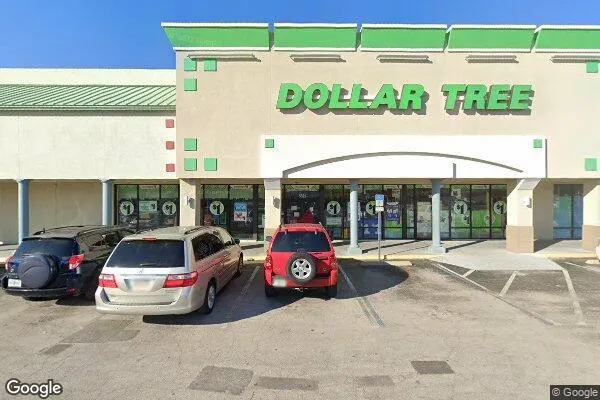
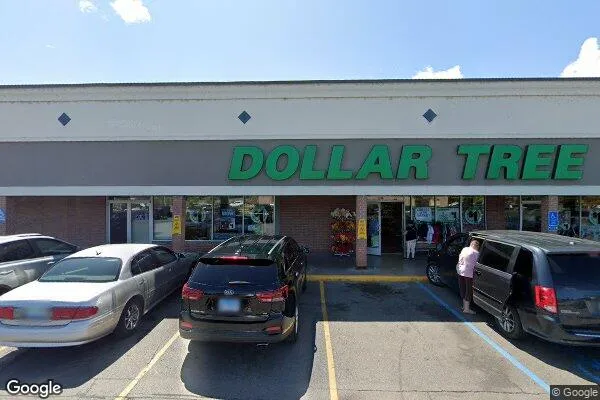
Over 2,500 discount and dollar store businesses are listed in our directory right now, and that number keeps climbing. That is not a fluke. That reflects something real about how millions of Americans shop, stretch budgets, and find value in places that traditional retail has largely ignored. If you have never walked into a dollar store or a bargain store before, you might not know what to expect, and honestly, a lot of first-timers are surprised by what they find inside.
This article is for you if you're curious but a little unsure. Maybe you've driven past these places a hundred times and never stopped. Maybe a friend mentioned scoring an incredible deal on cleaning supplies and you thought, okay, maybe I should check that out. Either way, here's a plain-language rundown of what discount stores are, what you'll find inside, what the shopping experience actually feels like, and how to get the most out of every visit. We'll also pull in some real directory data along the way so you can see just how big this world of affordable stores has gotten.
Understanding What Discount Stores Are and How They Work
Most people assume dollar stores are just dusty shelves with random junk piled up. That's not quite right. Discount variety stores operate on a genuinely clever business model: they source products through store closeouts, manufacturer overstock, discontinued item lots, and bulk purchasing agreements that let them pay a fraction of what traditional retailers pay per unit. That savings gets passed to you at the register.
There are a few different types of these stores you might encounter. Classic dollar stores price almost everything at one dollar, or used to before inflation pushed some chains to raise their price points to $1.25 or higher. Then you have discount variety stores with a broader range, where items might run anywhere from fifty cents to fifteen dollars depending on the category. Some stores blend both approaches, keeping a core set of items at a fixed low price while also stocking higher-value goods in a special section. Value stores sometimes feel closer to a small department store than what people picture when they hear "dollar store."
One big misconception worth clearing up: product quality at these places is not always inferior. Some items, like basic cleaning supplies, party supplies, gift wrap, and seasonal decorations, are genuinely identical in quality to what you'd find at a grocery store or big-box retailer, just cheaper because the sourcing method is different. That said, food items and personal care products deserve a closer look before you buy (more on that later). The shopping experience can be uneven, but so can any retail environment. Our directory data shows an average customer rating of 4.0 stars across 2,513 listed businesses, which means most shoppers leave happy.
A 4.0-star average across thousands of locations is honestly impressive for any retail category. These are not fringe operations. Discount stores are a mainstream, well-rated part of American retail life.
What Products and Departments to Expect Inside

Walking into one of these stores for the first time, you'll probably notice the smell before anything else, a faint mix of plastic packaging, cleaning product scent, and that slightly sweet odor that comes from a lot of packaged snacks and candy near the front. It's not unpleasant. It's just distinctly bargain store. Aisles are usually narrower than what you'd find at a major chain retailer, and the shelving tends to go all the way to the ceiling in some sections.
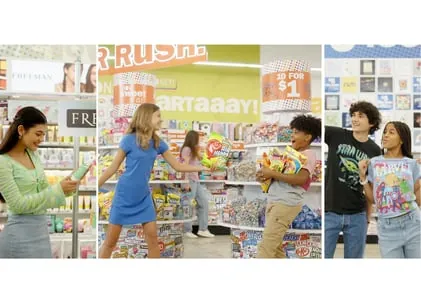
Most discount stores carry a surprisingly wide range of product categories. Household goods are usually front and center: dish soap, sponges, laundry detergent packets, storage bins, and basic kitchen tools. Cleaning supplies are almost always a great deal here. Seasonal decorations are a huge draw too, especially right before holidays when the front of the store gets completely overhauled with themed merchandise. Party supplies, balloons, paper plates, plastic cutlery, birthday banners, these cheap stores absolutely dominate that category.
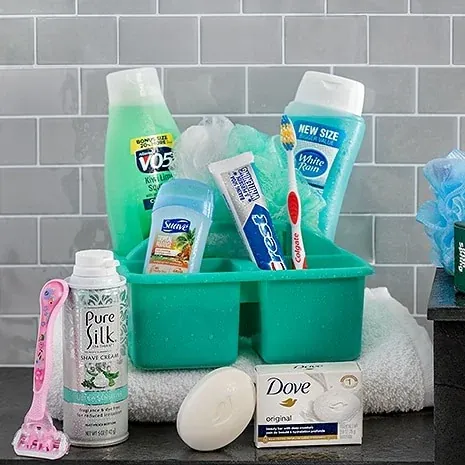
Personal care items are hit or miss. You'll find name-brand shampoo sometimes, but more often you'll see store-brand or unfamiliar label products. For basic things like cotton balls, bandages, hand lotion, or toothbrushes, the quality is usually fine. For anything more specific, like medicated products or specialized skincare, you might be better off at a pharmacy.
Snacks and food items vary wildly by location. Some stores carry a small frozen food section. Others stick to shelf-stable snacks, candy, condiments, and canned goods. Check those expiration dates. Not because the store is shady, but because inventory can sit longer in a bargain store than in a high-volume grocery chain. And on the topic of food deals more broadly, if you like hunting for discounted groceries, you should also take a look at salvage grocery stores, which operate on a similar closeout model and can have incredible prices on name-brand pantry staples.
Inventory changes fast. This is actually one of the more interesting things about shopping at these places. You might find a random assortment of brand-name cookware one week and never see it again. That spontaneity is either exciting or frustrating depending on your personality.
Discount Store Statistics and Directory Data You Should Know
The numbers here tell a clear story. With 2,513 discount and dollar store businesses listed across our directory, demand for affordable stores is not slowing down. Cities with the highest concentration of listings give you a sense of where this market is most active: Greenville leads with 22 listings, and Lexington, Orlando, and Norfolk each have 21. If you live near any of those cities and you've been wondering where to find dollar stores near me, the answer is: you've got options.
And look, that's just the listed businesses. In practice, the actual number of operating discount stores across the U.S. is much higher when you factor in smaller independent bargain stores, regional chains, and pop-up closeout shops that don't always make it into directories.
Here are the top-rated businesses currently listed in our directory:
| Business Type | Location | Rating | Reviews |
|---|---|---|---|
| Retail Florist | Kansas, KS | 5.0 ★ | 333 |
| Food Delivery | New York, IA | 5.0 ★ | 180 |
| Novelties | Pennsylvania Furnace, PA | 5.0 ★ | 133 |
| Retail Florist | Illinois City, IL | 5.0 ★ | 53 |
| Novelties | Indiana, PA | 5.0 ★ | 21 |
A novelty shop in a small Pennsylvania town hitting 5.0 stars on 133 reviews is not an accident. That kind of rating means repeat customers, word-of-mouth, and a genuine community following. Some of these smaller discount variety stores become neighborhood staples in a way that big chains just don't.
Tips for Shopping Smart at Discount and Bargain Stores
Bring a list. Seriously, bring a list. These places are designed in a way that makes it very easy to throw random things into your cart because everything seems like a deal at a glance. That's not wrong, exactly, but $1.25 items add up faster than you think, and you can easily leave spending $40 when you went in for $12 worth of stuff.
Set a hard budget before you walk in. Cash works great for this because once it's gone, it's gone. If you go in with two twenties, you physically can't overspend.
Check expiration dates on anything you plan to eat or apply to your skin. Most items are fine, but because these stores often stock closeout or near-expiration goods, you want to actually look at the date rather than assume. This is especially true for vitamins, over-the-counter medications, and anything perishable.
Visit discount stores in the week or two immediately after a major holiday. Halloween candy, Christmas decorations, Valentine's Day gift bags, these get marked down dramatically when the holiday passes. Some of the best deals in any bargain store happen in that post-holiday window.
For store closeout sections specifically, keep an eye out for higher-end products that ended up in a discount store because a larger retailer overordered. You'll sometimes find premium kitchen gadgets, name-brand cosmetics, or decent tools priced at a fraction of what they'd cost elsewhere. This is where patience pays off. You can't plan for these finds, but when you spot one, grab it.
Compare prices before assuming something is a deal. A 12-pack of paper towels at a dollar store sounds great until you realize the sheets are half the size of a standard roll. Price per unit matters. Bring your phone and do a quick check if you're not sure. Some items at these places genuinely beat what you'd pay anywhere else. Others just look cheap but aren't.
Cleaning supplies, party goods, gift bags and tissue paper, basic stationery, and holiday decorations are almost always worth buying at discount stores. These are the categories where these places beat traditional retail consistently, in my experience.
What the In-Store Experience Is Actually Like
Most discount stores run between 5,000 and 10,000 square feet, which is much smaller than a grocery store but bigger than it feels once you're inside with full shelves. Aisles tend to be a little cramped, especially near the back where seasonal overflow gets stacked. Some locations are immaculately organized. Others have a slightly chaotic energy where things have been moved around by shoppers and not fully restocked. You'll notice the difference immediately depending on time of day and how busy the store is.
Staffing is usually minimal. You might see two or three employees total, often juggling stocking shelves and running the register at the same time. Don't expect the same kind of floor-staff availability you'd get at a department store. If you need help finding something, just ask whoever's around, they're almost always helpful, but you should plan to find most things yourself.
Checkout lines can move slowly during peak hours, usually weekend afternoons. There is typically just one or two registers open. That's just how these stores operate, and once you know to expect it, it doesn't bother you. Bring a little patience on Saturdays.
Payment methods vary by store, but most accept cash, debit, and major credit cards now. Some older independent bargain stores are still cash-preferred, so it's worth having some bills on hand your first visit. Return policies are usually limited. Many dollar stores do not accept returns on food, seasonal items, or anything opened. Check the policy posted near the register before you assume you can bring something back.
Hours are generally consistent with standard retail hours, somewhere around 8 or 9 AM to 9 or 10 PM, though smaller independent value stores sometimes close earlier. Check online or call ahead if you're going out of your way.
One thing that catches first-timers off guard: the pricing labels. Sometimes a shelf tag shows one price and the register rings up another. It happens more at these stores than at bigger chains, partly because inventory turns over fast and labels don't always get updated. Glance at your receipt before you leave, especially if something seemed pricier than expected at checkout.
How to Find the Best Discount Stores Near You
With 2,513 businesses in our directory, finding discount stores near you is genuinely straightforward. If you're in a major metro area, you almost certainly have multiple options within a few miles. Greenville, Lexington, Orlando, and Norfolk are the top cities by listing count, but discount variety stores are well-distributed across rural and suburban areas too. These places exist precisely because they serve communities that don't always have access to large retail hubs.
Beyond our directory, a quick search online for "where to find dollar stores near me" will surface results fast. Most of the major chains have store locators on their websites. But if you want to find smaller independent discount stores or local bargain stores that don't get the same search visibility as national chains, a directory search gives you a fuller picture.
And if you're specifically hunting deals on groceries in addition to household goods, it's worth pairing your discount store visits with stops at salvage grocery stores in your area. Typically, the two shopping styles complement each other well for anyone serious about keeping food and household costs down.
Word of mouth still matters too. Ask around in your neighborhood or local community groups. People who love a great cheap store tend to want to share the secret.
Frequently Asked Questions
Are products at dollar stores safe to buy?
Generally, yes. Most household goods, cleaning supplies, and personal care items sold at discount stores meet standard safety requirements. For food items, always check expiration dates. For children's toys or products marketed for kids, check for any recall notices since smaller discount chains don't always pull recalled items as quickly as major retailers do.
Why do prices at dollar stores keep going up?
Inflation hit discount stores the same way it hit everyone else. Many classic dollar stores raised their base price point from $1.00 to $1.25 or higher. Some stores now have a range of price tiers rather than a single fixed price. As a rule, the value is still there, but "dollar store" as a literal name is increasingly more of a brand identity than an accurate price description.
Can I find name-brand products at discount stores?
Sometimes. Store closeout sections and overstock purchases occasionally bring name-brand products into these stores at low prices. It's inconsistent, and you can't count on finding a specific brand on any given visit. But it does happen, and when it does, the prices can be genuinely remarkable.
Which cities have the most discount stores listed in the directory?
Based on our current directory data, Greenville leads with 22 listings. Lexington, Orlando, and Norfolk each have 21 listings. These are strong markets for value shoppers looking for multiple options close together.
What should I never buy at a bargain store?
Electronics and power tools tend to be risky buys at discount stores because quality control is harder to verify and there's usually no warranty support. Medications past their expiration date are obviously a no. And certain food items, especially anything with a very short shelf life, are worth skipping unless you can confirm freshness. Everything else is generally fair game, with the usual caveat to check before you buy.
How often does inventory change at these stores?
Frequently. Because discount variety stores rely heavily on closeout buys and overstock lots, what's on the shelves this week may not be there next week. Regular shoppers often say this is part of the appeal. Every visit feels a little different, and you never know what you'll stumble across.
Explore Related Directories
Find Dollar Stores Near You
Browse our directory of 2,513+ discount and dollar store businesses across the United States. Find affordable stores, bargain stores, and discount variety stores in your area with real customer ratings and reviews.
Search the Directory