What Are 99-Cent Stores? A Shopper's Guide to This Store Type at Dollar Stores Directory
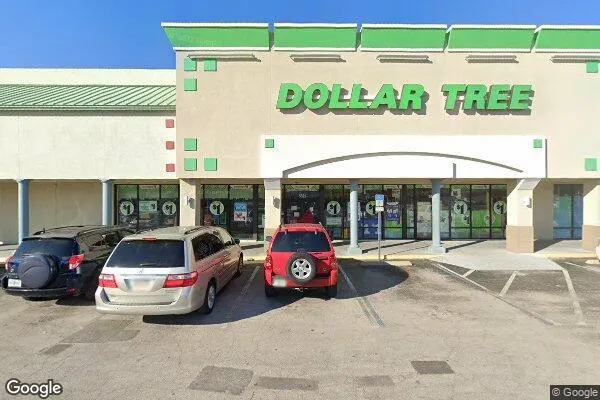
You're walking through a strip mall, and there it is: a bright yellow sign, maybe some red lettering, the words "99 Cents Only" or something close to it plastered across the front. You've walked past a hundred times. But you've never actually gone in. What's in there, anyway? Turns out, quite a lot.
What 99-Cent Stores Actually Are (And How They Differ from Dollar Stores)
99-cent stores are a specific type of discount retail shop where most items sell at or near the 99-cent price point. That sounds simple. But the pricing model is actually more specific than what you'd find at a general dollar store, which might sell items anywhere from $1 to $5 or higher.
Classic 99-cent stores built their whole identity around that single price. One price, everything in the store. That model has shifted over the years as wholesale costs went up, so many 99-cent stores today sell items at a few different price points, but the core idea remains: deeply discounted merchandise, often below what you'd pay at a grocery store or pharmacy.
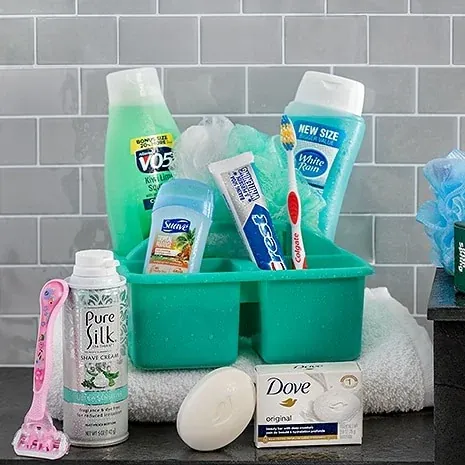
And honestly, the product mix at these places can be surprisingly good. You'll find cleaning supplies, canned goods, snacks, seasonal decorations, party supplies, personal care products, and sometimes fresh produce. A lot of shoppers don't realize that 99-cent stores often carry name-brand items, not just off-brand stuff. That's where the real value is.
Actionable tip: On your first visit to a 99-cent store, skip the center aisles and go straight to the perimeter. That's usually where the food and household staples are, and those tend to offer the best value for everyday shoppers.
Why These Stores Can Offer Such Low Prices
Here's something worth understanding before you shop. 99-cent stores source their inventory in ways that most regular retailers do not. They buy overstock, closeout merchandise, short-dated products, and odd lots from manufacturers and distributors. That's why you might see a name-brand cereal one week and never see it again. The inventory shifts constantly.
Some products are made specifically for the discount channel. Smaller package sizes, slightly different formulas, or regional brands you don't recognize. Not worse, necessarily. Just different.
Because suppliers are offloading excess goods, the stores can pass real savings to customers. A can of soup that retails for $1.89 at a regular grocery store might be 99 cents here, and it's the exact same product. Same label, same manufacturer. That happens more often than people expect, and it's one of the main reasons these stores have such loyal customers.
Wait, that's not quite right to say they're always identical products. Sometimes the can sizes are smaller or the variety is slightly different. Always check the unit price, not just the sticker price, to make sure you're actually getting a deal.
Actionable tip: Bring your phone and use a grocery app or quick Google search to compare unit prices. A 99-cent item is only a bargain if the size and quality actually match up to what you'd buy elsewhere.
What to Expect When You Walk In
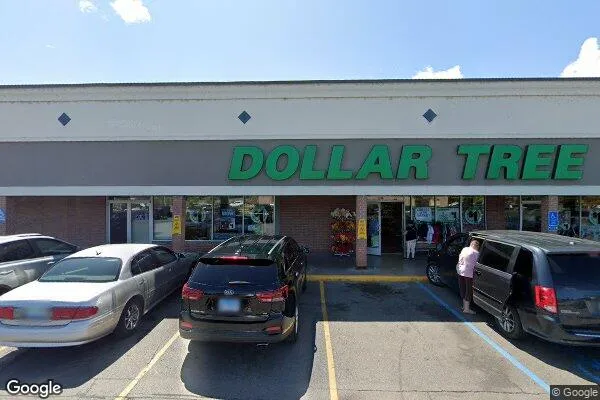
Parking lots at these stores are almost always busy. Midday on a weekday, weekend afternoons, it doesn't matter. These places draw steady foot traffic because the prices work for people on tight budgets and for savvy shoppers who know how to spot a deal.
Inside, the layout can feel a little chaotic, especially at stores that rotate inventory frequently. Shelves aren't always perfectly organized. Products sometimes show up in unexpected spots. That's part of the experience, honestly, and some shoppers find it kind of fun to dig through what's available.
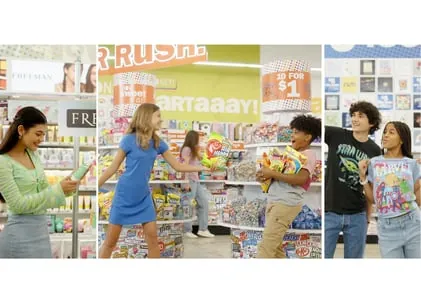
Most 99-cent stores stock seasonal items heavily. Around Halloween, you'll see costume accessories, candy bags, and decorations taking up a huge floor section. Same around Christmas, Easter, and back-to-school. Those seasonal sections are often the best deals in the store because the markup pressure is lower than at big-box retailers.
One thing that surprises first-timers: the checkout lines can move slower than expected. Many of these stores run lean on staff, so patience helps. Go during off-peak hours if you can.
Actionable tip: Make a short list before you go. 99-cent stores are easy places to overbuy because everything feels affordable. A loose list keeps you focused without killing the fun of browsing.
Finding 99-Cent Stores Near You
Locating a good 99-cent store used to mean driving around and hoping you spotted one. That's changed. Our directory includes 3,748+ verified listings for dollar and discount stores across the country, with an average rating of 4.0 stars from real shoppers. That rating matters, because not all of these stores are the same quality.
Some locations are clean, well-stocked, and well-run. Others are more hit-or-miss. Reading reviews before you drive across town saves time and frustration. A store with 4.5 stars and 200 reviews is almost always going to be worth the trip. One with a 2.8 and a handful of complaints about expired products? Maybe skip it.
Among the 3,748+ listings, you'll find stores in urban neighborhoods, suburban strip malls, and smaller towns where discount retail fills a genuine need. Some cities have clusters of several stores within a few miles of each other, which means you can comparison shop between locations if you're looking for something specific.
Search by zip code, filter by rating, and check the store hours listed. Some 99-cent stores keep shorter hours than you'd expect, closing by 8 or 9 PM even in busy areas. Confirming hours before you go is a small thing that saves a wasted trip.
Start with the directory, pick a well-rated store near you, and give it a real visit with an open mind. Most people who try 99-cent stores for the first time end up going back regularly. The prices are hard to argue with once you see them in person.