Understanding the Value Proposition of Bargain Stores
Four thousand and nine. That's how many bargain store businesses are currently listed in our directory, spread across hundreds of cities, reflecting just how embedded discount retail has become in everyday American commerce. These aren't fringe shops tucked into strip mall corners anymore. Dollar stores, discount variety stores, and value stores now rank among the most frequently visited retail formats in the country, with some estimates putting their combined annual foot traffic ahead of major grocery chains in certain regions. If you've ever wondered whether shopping at these places actually saves meaningful money, or whether the low prices come with hidden costs in quality, the data tells a different story than the skeptics suggest.
Value-conscious shopping has accelerated sharply over the past decade. Inflation, wage stagnation, and rising household costs have pushed more shoppers toward affordable stores that were once considered a last resort. Now they're a first choice. This article breaks down how bargain stores actually work, what the real financial benefits look like with specific numbers, and how to find highly rated discount stores near you using real directory data.
What Are Bargain Stores and How Do They Work?
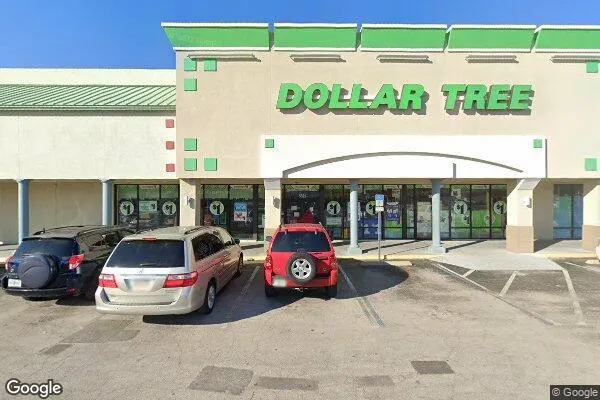
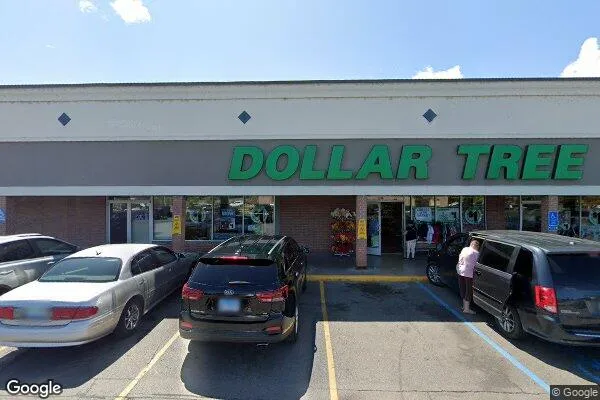
Not all cheap stores are built the same, and that distinction matters when you're trying to figure out where to spend your time and money. Broadly speaking, the bargain store category covers several distinct formats. Classic dollar stores, like the national chains most people recognize, operate on fixed-price or near-fixed-price models where most items stay under a set threshold. Discount variety stores carry a wider product mix at variable price points, still well below traditional retail. Closeout stores sell manufacturer overstock, discontinued product lines, and liquidation inventory, which means stock rotates constantly and you might find a name-brand item at 60 to 70 percent below MSRP one week and something totally different the next. Thrift stores, while technically separate, also fall under the broader value-store umbrella since they operate on donation-based sourcing with rock-bottom pricing on secondhand goods.
The business model behind all of these formats shares a common logic. Rather than buying inventory through standard wholesale channels, bargain retailers source from overstock, store closeouts, bulk manufacturer deals, and private-label production. A grocery chain orders too many units of a seasonal item. A manufacturer produces excess stock before a product redesign. A retailer clears shelf space for new SKUs. Bargain stores step in and buy those lots at steep discounts, then pass a portion of those savings to shoppers while still maintaining healthy margins. Private-label goods, where the store essentially creates its own brand for commodity products, fill the gaps when name-brand overstock isn't available.
Here's where a lot of people get it wrong: they assume low price equals low quality. That's not always accurate. Many of the cleaning supplies, pantry items, and household goods sold at discount stores come from the same factories producing name-brand versions. The difference is often packaging, lot size, or branding, not the actual product formulation. And with store closeouts specifically, you're sometimes getting exactly the same product that sold at a major retailer last season, just without the markup.
At most discount variety stores, private-label cleaning and pantry products are sourced from contract manufacturers who also produce for national brands. Comparing ingredient lists side-by-side is genuinely worth doing once, you may find the products are nearly identical at a fraction of the cost.
Profitability in this segment comes from volume and lean operations. These stores keep overhead low: smaller store footprints, fewer staff per square foot, simpler store layouts, and minimal marketing spend. They make money by turning inventory fast and keeping margins consistent across high-volume categories. It's not glamorous, but it works. And it's worked at scale for decades.
The Financial Benefits of Shopping at Discount and Dollar Stores

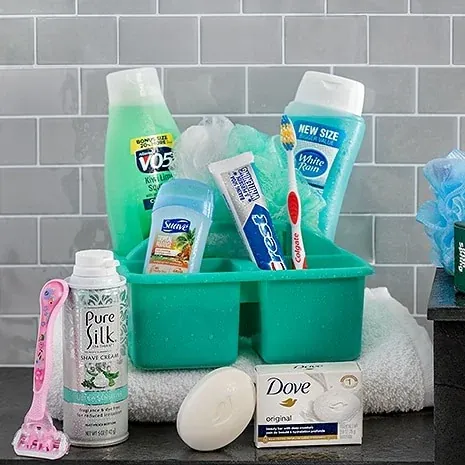
Let's get into actual numbers, because that's where the argument for bargain stores gets genuinely compelling. A standard bottle of multi-surface cleaning spray at a major grocery chain runs between $3.50 and $5.00 depending on brand and location. At a dollar store or discount store, a comparable product, sometimes the same volume, often sits at $1.25 or under. That's a savings of roughly 65 to 75 percent on a single item. Multiply that across a household's monthly cleaning supply list, maybe eight to twelve items, and you're looking at $20 to $35 in monthly savings just from that one category.
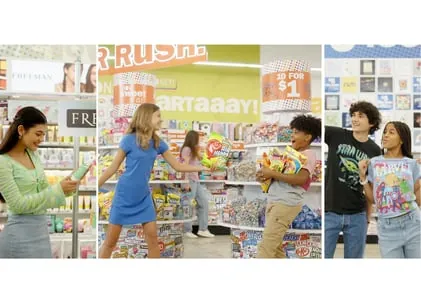
Party supplies are another area where the gap is almost embarrassing. Birthday plates, balloons, streamers, and tableware at specialty party stores or big-box retailers can easily run $25 to $40 for a basic setup. At value stores, the same haul might cost $8 to $12. Parents who throw multiple birthday parties a year, or anyone who hosts regularly, can save hundreds annually just by making one category switch.
Pantry staples tell a similar story. Canned goods, pasta, rice, cooking oil, and basic condiments at discount stores typically run 30 to 50 percent below grocery chain prices. A family of four spending $150 per month on pantry items at a traditional grocery store might cut that to $90 to $105 by redirecting those purchases to a bargain store. That's $540 to $720 per year from pantry goods alone. And if that family also picks up a few items from a salvage grocery store in their area, where food is sold near or past its best-by date at deep discounts, total grocery savings can climb even higher.
Fixed-price structures specifically help with budgeting. When everything in a store costs one dollar, or when pricing is clearly tiered at $1, $3, and $5, you don't need a calculator to stay on budget. You walk in with $20 and you know exactly what you can get. That predictability has real psychological and practical value for households managing tight margins month to month.
Cleaning supplies: $30 at grocery store vs. $9 at dollar store (70% savings)
Party supplies (monthly avg): $35 vs. $10 (71% savings)
Pantry staples: $150 vs. $100 (33% savings)
Estimated annual household savings: $900–$1,500+
Seasonal items are worth calling out separately. Bargain stores stock holiday decorations, seasonal candy, gift wrap, and themed merchandise at prices that make traditional retail pricing look almost absurd. A holiday wreath that goes for $24 at a chain department store might show up at a discount variety store for $4. Stock varies, and you can't always count on finding exactly what you want, but when you do find it, the savings are real.
Bargain Store Industry Data and Market Presence
Our directory currently lists 4,009 businesses in the bargain store, dollar store, and discount variety store category. That number alone signals something important: this is not a niche retail segment. It's mainstream, distributed across urban, suburban, and rural areas in a way that few other retail formats can match.
Springfield leads all cities with 40 listings, followed closely by Columbus at 39, Wilmington at 34, and Jackson at 29. These concentrations aren't random. Cities with high store counts tend to reflect either large populations or strong regional demand for value retail, and sometimes both. Columbus, for instance, is a major metro with a diverse economic base, and a high density of discount stores there tracks with its population size. Wilmington showing up at 34 listings is actually more telling in some ways, since it's a smaller city, suggesting particularly strong local demand relative to population.
Average customer rating across all 4,009 listed businesses sits at 4.0 stars. Contrary to popular belief, that's not meaningfully lower than what you'd find in higher-end retail categories. In practice, the assumption that bargain stores are dirty, disorganized, or staffed poorly enough to tank customer satisfaction just doesn't hold up in aggregate data. Four stars is a solid rating across any retail category.
Here's something worth pointing out: several of the top-rated businesses in the directory aren't what you'd stereotypically picture. Typically, the five-star performers include a Retail Florist in Kansas with 333 reviews at 5.0 stars, a Food Delivery service in New York, Iowa, with 180 reviews at 5.0 stars, and Novelties shops in Pennsylvania Furnace and Indiana, Pennsylvania, both scoring perfect marks. These ratings reflect real, consistent customer satisfaction at the community level.
| Business Type | Location | Rating | Reviews |
|---|---|---|---|
| Retail Florist | Kansas, KS | ⭐ 5.0 | 333 |
| Food Delivery | New York, IA | ⭐ 5.0 | 180 |
| Novelties | Pennsylvania Furnace, PA | ⭐ 5.0 | 133 |
| Retail Florist | Illinois City, IL | ⭐ 5.0 | 53 |
| Novelties | Indiana, PA | ⭐ 5.0 | 21 |
What to Expect When Shopping at a Bargain or Dollar Store
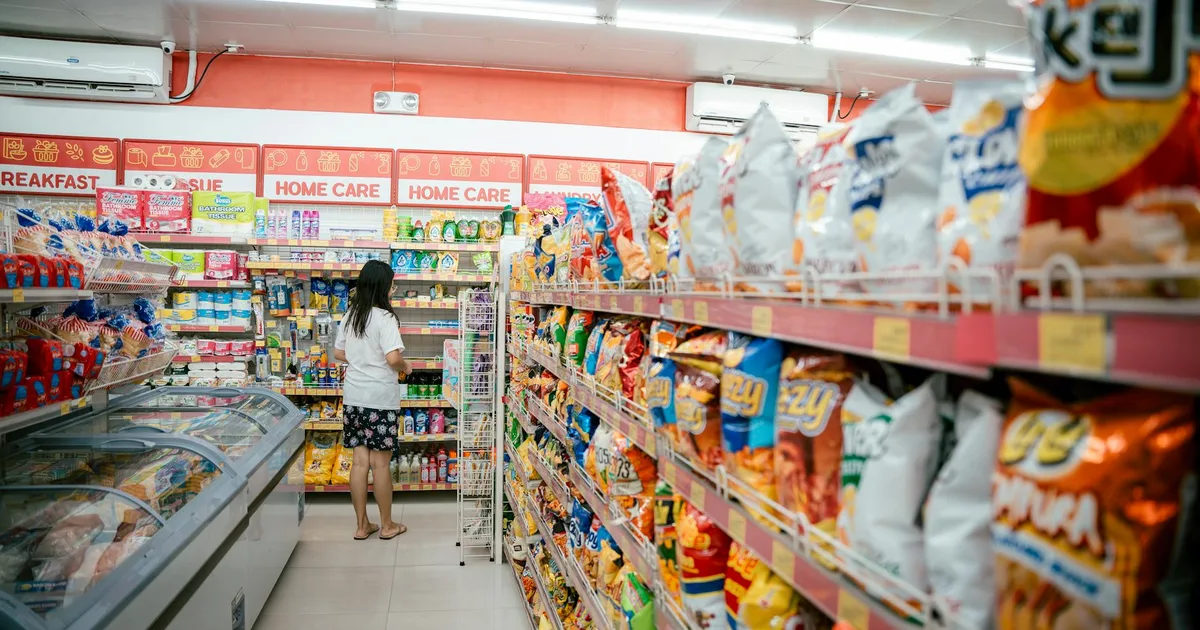
Walking into a discount store for the first time can be a little disorienting if you're used to carefully organized big-box retail. These stores tend toward a denser layout, products stacked high, aisles that run close together, bins of mixed merchandise that you sort through yourself. It's not messy so much as efficient. Every square foot earns its keep. You'll usually find broad categories grouped together, cleaning on one wall, food and snacks in the center, seasonal items near the entrance, party supplies and gift wrap toward the back.
Inventory consistency is where expectations need to be set honestly. Unlike a traditional retailer who maintains a stable planogram of products year-round, bargain stores, especially closeout-focused ones, rotate stock based on what deals they've sourced. You might find a great brand of pasta sauce for $0.75 in April and never see it again in July. That's not a flaw in the model. It's the model. As a rule, the savvy shopper treats it like a treasure hunt, visiting regularly, buying multiples of things they love when they appear, and not expecting the same shelf to look the same twice.
That variability is actually part of what keeps people coming back. You genuinely don't know what you'll find.
A few practical tips for getting the most out of a visit to affordable stores:
- Check unit prices, not just sticker prices. A $1.25 bottle of shampoo might be a fantastic deal or an average one depending on the ounce count. Do the quick math.
- Hit seasonal aisles first. These turn over fastest and have the best limited-time finds, especially around major holidays.
- Visit every couple of weeks if you find a good store. Monthly visits mean you'll miss entire product rotations.
- Check expiration dates on food items. Most are fine, but it's a habit worth keeping at any store that sells closeout inventory.
- Look for non-obvious savings. Office supplies, reading glasses, picture frames, and basic tools are categories where discount stores often dramatically undercut standard retail.
One small thing I noticed at a local discount variety store recently: they had a full section of name-brand automotive fluids, clearly a closeout buy, priced at about 40 percent below what the auto parts store nearby charges. Nobody was buying them because they were shelved between birthday cards and plastic storage bins. That's the kind of find that rewards people who actually browse rather than just heading straight to their usual list.
How to Find Reputable Bargain Stores Near You
Searching "where to find dollar stores near me" online works, sort of. You'll get results, but they'll be a mix of chain locations, outdated listings, and Google results that bury smaller independent discount stores that might actually be closer or better. A curated business directory cuts through that noise.
Using a directory organized specifically around bargain stores, dollar stores, and discount variety stores gives you a few advantages. First, you can filter by location and see actual customer ratings alongside each listing, not just a pin on a map. Second, independent and locally owned value stores, which often have better selection and lower prices than national chains, are much more visible in a directory format. Third, you can read recent reviews to gauge whether a store is clean, well-stocked, and worth your time before you drive there.
When evaluating a specific store, a few things matter more than others. Customer rating is an obvious one. A store averaging 3.2 stars over 80 reviews is telling you something specific about the experience. But also look at the content of reviews. Positive reviews that mention staff helpfulness, clean aisles, and consistent stock are more useful than vague five-star ratings with no text. Negative reviews citing expired products or disorganized shelves are worth taking seriously.
Location also affects what a store carries. Discount stores in higher-traffic urban areas tend to restock faster and get better closeout lots because suppliers prioritize volume buyers. A small-town bargain store might have slower inventory turns but occasionally lands regional overstock deals you won't find anywhere else.
If you're looking to stretch your grocery budget further, pairing your bargain store visits with stops at nearby salvage grocery options can compound your savings significantly, especially for canned goods, dry staples, and packaged snacks where best-by dates are generous.
Who Benefits Most from Shopping at Discount and Value Stores?
Budget-conscious families are the most obvious answer, but the real customer base is broader and more economically varied than most people assume. Families with children spend heavily on snacks, school supplies, cleaning products, and seasonal items, all categories where discount stores deliver serious savings. A family cutting $100 per month from their grocery and household supply budget by shifting purchases to bargain stores saves $1,200 per year. That's not trivial.
Small business owners are a segment that doesn't get talked about enough in this context. Office supplies, break room staples, cleaning products, packaging materials, and basic tools are items businesses buy repeatedly. A small restaurant, a home cleaning service, a childcare center, these operations can cut meaningful percentages from their monthly supply costs by sourcing from discount stores. Some bargain stores even cater to this with bulk purchasing options or commercial-quantity stock.
Seniors on fixed incomes benefit especially from the fixed-price model. When your monthly income is predictable and not growing, price certainty matters enormously. Knowing that household essentials have stayed at or near the same price points for years, regardless of what's happening in mainstream retail, is a real form of financial stability.
And then there's geography. In rural areas and lower-income urban neighborhoods where full-service grocery chains and big-box retailers are sparse, dollar stores and cheap stores often fill a genuine access gap. They carry food, medicine, cleaning supplies, and household goods in communities that would otherwise face long drives or online shipping costs to access the same products. That's not a marketing claim. It's documented by retail access research in food desert studies going back over a decade.
Bargain stores have also expanded into a new customer segment in recent years: middle and upper-middle-income shoppers who simply stopped caring about the social optics of where they shop. Inflation pushed a lot of people through the door for the first time, and many of them stayed because the value was undeniable.
Budget families saving on essentials. Small business owners cutting supply costs. Seniors on fixed incomes who value price stability. Rural shoppers with limited retail access. Value-savvy middle-income shoppers who've realized quality doesn