The Complete Guide to Dollar Stores Directory: Your Shopping Companion
Most people think dollar stores are just for cheap party supplies and mystery-brand shampoo. And honestly, that used to be pretty accurate. But the dollar store industry has quietly grown into a multi-billion dollar force in American retail, and the 2,513 businesses listed in this directory are proof that bargain shopping has gone way beyond the dusty aisles of your childhood memories.

This guide is built around that directory. You'll find out how to search it, what cities have the most listings, which stores earned the highest ratings, and what you should actually be buying at these places versus what you should leave on the shelf. Whether you're hunting for discount stores in a new city or just trying to stretch your grocery budget a little further, there's something useful here for you.
1. What Dollar Stores Actually Are (And Why They're Everywhere Now)
Dollar stores, discount stores, bargain stores, these terms get used interchangeably, but they don't all mean exactly the same thing. Traditional dollar stores started with the idea that everything in the store costs one dollar. Simple. Clean. Easy. But that model has evolved pretty dramatically over the past decade, and most major chains now carry items at a range of price points, not just a single dollar price tag.
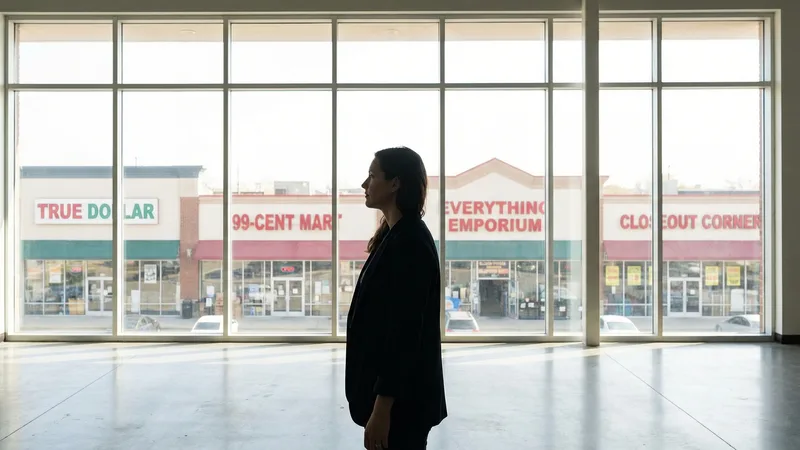
Discount variety stores are a broader category. These are stores where the primary selling point is low prices across a wide mix of product types, from food and cleaning supplies to toys, clothing, and seasonal decorations. Think of them as a smaller, no-frills version of a big box store. You can also find thrift stores in this general space, though thrift stores typically deal in used or donated goods rather than new merchandise at reduced prices. Store closeouts are another thing entirely, these are retailers or sections of stores dedicated to moving overstock, discontinued products, or returned merchandise from larger retailers at steep discounts.
So why are these places everywhere now? A few reasons. Inflation has pushed more middle-income households toward value stores that they might have skipped before. Dollar General alone has been opening hundreds of new locations per year, deliberately targeting smaller towns and rural areas that don't have easy access to big grocery chains. And there's something else worth knowing: a lot of these stores do genuinely good business. Walking through a well-stocked discount store, you can smell the mix of plastic packaging and cleaning product fumes that means the shelves are actually full and being restocked regularly. That's not a bad sign. That means inventory is moving.
2. Breaking Down the Directory: Types of Stores You'll Find Listed
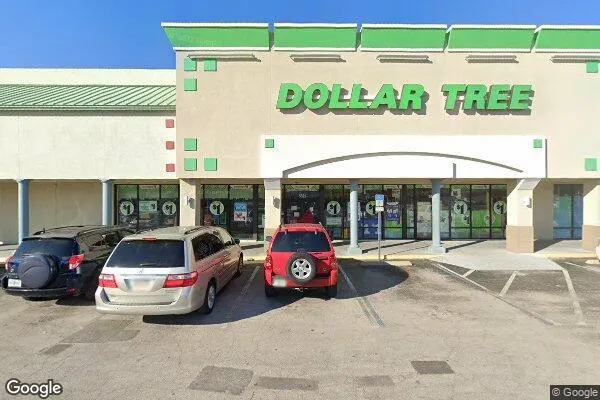
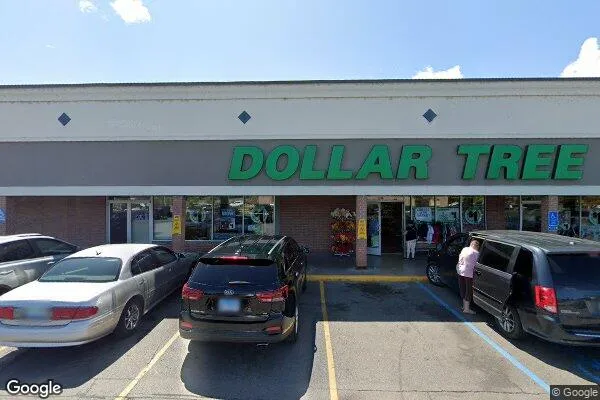
Not every listing in this directory is a big-chain dollar store. That's actually one of the more interesting things about it. Alongside the Dollar Trees and Family Dollars, you'll find independent bargain stores, novelty shops, closeout retailers, and specialty discount operations that don't get much attention but often have incredible deals.
National chains bring consistency. You know more or less what you're going to find when you walk into a Dollar General: the layout is predictable, the product mix follows a formula, and the pricing is standardized across locations. For shoppers who want reliability and don't want to waste time, that's valuable. Independent bargain stores are a different animal. They tend to be more chaotic, which is either exciting or annoying depending on your patience level. But the deals can be genuinely wild because their inventory is opportunistic, they buy whatever they can get cheap, which means you might find name-brand cereal, high-end cleaning products, or imported snacks sitting next to completely random merchandise at prices that make you double-check the tag.
Thrift stores have a slightly different vibe. They smell different, for one thing, that familiar secondhand-shop scent of old fabric and wood that's surprisingly comforting once you're used to it. Their inventory depends entirely on donations, so quality varies massively day to day and location to location. Store closeouts lean into the treasure-hunt feeling too, but with new merchandise. You might find last season's kitchen gadgets from a well-known brand sitting in bins at 70% off their original retail price. Knowing these differences before you search the directory will help you filter toward the right type of store for what you actually need.
If you're searching for thrift stores or store closeout locations specifically, use the store type filter in the directory rather than just searching by city. You'll get much more targeted results and save yourself from wading through listings that don't match what you're looking for.
3. Directory Data: What 2,513 Listings and a 4.0-Star Average Actually Tell You
Numbers can be dry. But these numbers are actually worth paying attention to, so stay with me here.
Having 2,513 businesses in a single directory is a lot. For context, that's not just a list of every Dollar Tree in America, it's a genuinely varied collection of affordable stores, value stores, and bargain operations spread across cities of all sizes, from major metros to smaller towns that don't always show up in retail industry reports. The breadth of coverage means that no matter where you're searching for cheap stores near you, there's a decent chance the directory has something relevant.
A 4.0-star average rating is solid. Not perfect, but solid. When you factor in that customer ratings for retail stores tend to skew negative (people are more motivated to leave a bad review than a good one), a consistent 4.0 across thousands of businesses suggests that shoppers are generally having decent experiences at these discount stores. It's not a number that says "every store is amazing." It's a number that says "most of these places are doing their job."
Now look at the top cities: Greenville leads with 22 listings, followed by Lexington, Orlando, and Norfolk, each with 21 listings. High listing concentrations in a city mean two things for shoppers. First, there's genuine competition between stores, which tends to keep prices lower and quality higher. Second, you're more likely to find a store within a short drive of wherever you are in that city. If you're in Orlando, for instance, having 21 directory-listed discount variety stores to choose from means you're rarely more than a few minutes from a bargain.
Top-Rated Businesses in the Directory
| Business Type | Location | Rating | Reviews |
|---|---|---|---|
| Retail Florist | Kansas, KS | ⭐ 5.0 | 333 reviews |
| Food Delivery | New York, IA | ⭐ 5.0 | 180 reviews |
| Novelties | Pennsylvania Furnace, PA | ⭐ 5.0 | 133 reviews |
| Retail Florist | Illinois City, IL | ⭐ 5.0 | 53 reviews |
| Novelties | Indiana, PA | ⭐ 5.0 | 21 reviews |
You'll notice something interesting in that table. The top-rated businesses aren't all traditional dollar stores. A retail florist in Kansas with 333 reviews and a perfect 5.0 score, a food delivery operation in Iowa with 180 reviews at the same rating, these are businesses operating in the discount and value space that have clearly built real customer loyalty. That novelty shop in Pennsylvania Furnace, PA (and yes, that is a real place name, not a typo) has 133 reviews at 5.0 stars, which is genuinely impressive for a small specialty retailer. In practice, the variety of business types at the top of the ratings is a good reminder that this directory covers a wider slice of the bargain shopping world than just your standard chain stores.
4. How to Search the Directory and Actually Find What You Need
Searching a business directory sounds simple, but there's a real difference between a quick search that gives you ten random results and a smart search that leads you directly to the best affordable stores within a mile of your house. Here's how to do the second thing.
Start with location. If you're searching for "where to find dollar stores near me," the most useful filter is always city or zip code first. Broader geographic searches return too many results to be useful. Once you've narrowed to your area, use the store type or category filter to distinguish between, say, thrift stores and new-merchandise discount stores. These are very different shopping experiences and mixing them up wastes time.
Next, sort by customer ratings. Typically, the directory average is 4.0 stars, but individual stores vary. Filtering for businesses rated 4.5 and above gives you a shortlist of places that customers have consistently praised. Read at least a few reviews before you drive somewhere, especially for independent bargain stores or store closeout retailers where quality can be unpredictable. Reviews often contain specific details that the listing itself doesn't: "shelves were fully stocked on weekday mornings," "parking lot is tiny and gets jammed on Saturdays," "they restock the closeout section on Thursdays." That kind of information is worth more than the star rating alone.
Confirm store hours before you go. This sounds obvious, but hours listed in directories are sometimes out of date, and discount stores in particular can change their hours seasonally or without much public announcement. A quick call or a check of the store's own website takes thirty seconds and saves you a wasted trip.
Try searching "discount variety stores" in addition to just "dollar stores", you'll often pull up a different set of listings that includes some of the better independent bargain retailers that don't market themselves as dollar stores but offer comparable or better pricing.
For people who relocate frequently, or travel for work, the directory is genuinely useful as a quick orientation tool. Plug in your new city, see what's there, check the ratings, and you've got a starting point. Greenville, Lexington, Orlando, and Norfolk are all good examples of cities where you'll find enough listings that you can be selective rather than just going to whatever comes up first.
5. What to Buy and What to Leave on the Shelf
This is probably the most practically useful section of this whole guide. Because the honest answer is: dollar stores are great for some things and genuinely bad for others, and knowing the difference saves you money and frustration.
Buy cleaning supplies here without hesitation. Dish soap, laundry detergent, sponges, trash bags, paper towels, the name-brand versions of these products at grocery stores cost two to three times what you'll pay at a good discount store, and the store-brand versions at value stores work just as well. Party supplies are another no-brainer. Balloons, streamers, plates, cups, disposable tablecloths, you'd be paying a premium for the exact same items at a party supply chain. Seasonal decorations, especially for holidays like Halloween and Christmas, are excellent buys. Canned goods and shelf-stable pantry items are often priced well, though you should always check expiration dates on food products.
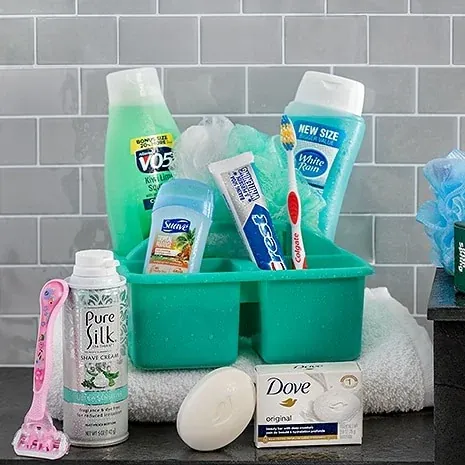
Personal care items are a mixed bag. Shampoo, conditioner, soap, and basic toiletries from recognizable brands are worth buying at bargain stores if the price is right. But be careful with anything that makes specific skin or hair treatment claims from brands you don't recognize. Some of these products are fine. Some are not.
Electronics. Just don't. A two-dollar phone charger from a bin at a cheap store might work for a week, or it might damage your phone, or both. This is an area where the savings aren't worth the risk. Same with children's toys that have small parts or batteries, it's worth spending a little more to make sure you're getting something that meets safety standards.
For food, the main caution is checking dates and watching for products with short remaining shelf lives. Some bargain stores and store closeout retailers get inventory precisely because a product is near its sell-by date. That's not automatically bad, plenty of food is fine well past its printed date, but you should know what you're buying. Speaking of food and bargain shopping, if you want to stretch your grocery budget even further, salvage grocery stores are worth knowing about. They operate on a similar closeout model but focused entirely on food, and they can offer dramatic savings on everything from canned goods to packaged snacks.
Stationery, gift wrap, notebooks, pens, buy all of this at a discount store and never look back. As a rule, the markup on stationery at regular retail stores is absurd, and the quality difference is basically nonexistent.
Smart Strategies for Maximizing Your Savings
- Combine store visits with coupons: Many discount stores accept manufacturer coupons, which means you can stack your savings on top of already low prices. Check the store's coupon policy before assuming.
- Buy seasonal items after the holiday: Post-holiday clearance at dollar stores can be extraordinary. Christmas decorations on December 26th, Halloween candy on November 1st, prices drop fast and the selection is still decent for a day or two.
- Check store closeout sections for name brands: Overstock and closeout sections within larger discount stores sometimes have name-brand merchandise at prices that seem too good to be real. They're usually real.
- Go on weekday mornings: Most discount stores restock during overnight or early morning shifts. Shopping on a Tuesday or Wednesday morning means you're more likely to find full shelves and fresher inventory.
- Make a list before you go: This sounds basic but it genuinely matters at bargain stores, where the low prices can tempt you into buying things you don't need and erasing the savings you came for.
6. Top Cities for Dollar Store Shopping: A Regional Look
Greenville sits at the top of our directory with 22 listings. Greenville, South Carolina has seen significant economic growth and population expansion over the past decade, and retail density tends to follow population. More people means more stores competing for shoppers, which creates better options for bargain hunters. For most shoppers, the mix of national chains and local discount retailers in a market like Greenville means you've got both the reliability of a Dollar General and the occasional treasure-hunt experience of an independent value store.
Lexington, with 21 listings, is interesting because it appears in multiple states (there are significant Lexingtons in both Kentucky and South Carolina), and whichever one this data is reflecting, the density of listings points to a strong local appetite for discount shopping. Same goes for Norfolk, Virginia, where 21 listings serve a city with a large military population, and military families, who often live on fixed budgets and move frequently, are some of the most practical bargain shoppers around.
Orlando at 21 listings makes sense for a different reason. It's a tourist city with a massive year-round transient population, but it also has large residential communities that aren't connected to the tourism economy at all. Local residents in a high-cost city like Orlando lean on affordable stores and discount variety stores to manage household expenses. And frankly, when you're buying pool toys and sunscreen and paper plates for a summer party, a dollar store is the obvious first stop.
Urban versus suburban versus rural patterns are worth thinking about here. In dense urban areas, discount stores tend to be smaller footprint locations that focus on convenience and everyday essentials. Suburban locations often have more space, bigger product selections, and more of a big-box feel. Rural areas are where stores like Dollar General have made their biggest strategic push, specifically because they fill a gap where larger retailers don't operate. In some small towns, the local dollar store genuinely functions as the primary grocery and household goods source for the community. That's not a small thing.
If you're relocating to a new city, using this directory is a genuinely practical first step for getting oriented. Search your new city, note which discount stores are closest to your neighborhood, check their ratings, and put the best two or three on your list for an early visit. You'll get a sense of local prices and product availability that helps you figure out where to do what kind of shopping going forward.
Filter the directory by your new zip code and sort by rating. Most top results give you a quick, reliable starting list of the best local discount and bargain stores without spending hours asking around or reading review sites one by one.
7. The Broader Picture: Why the Dollar Store Industry Keeps Growing
Dollar stores aren't just surviving. They're expanding aggressively while other retail formats struggle. Dollar General has been