The Budget Shopper's Complete Guide to Combining Dollar Stores and Salvage Groceries
Your Grocery Bill Is Out of Control, and You Know It
You're standing in a regular supermarket, watching the total climb at the register, and something just feels wrong. A box of name-brand cereal is $6.49. A bottle of dish soap is pushing $4. You didn't buy anything fancy. You bought the basics. And somehow you're handing over $180 for a week's worth of food for a family that doesn't even eat that much. It's exhausting, and it's happening to almost everyone right now. Grocery prices have climbed more than 25% over the past few years, and most household budgets haven't come close to keeping up.

Here's what a lot of people haven't figured out yet: dollar stores and salvage grocery stores aren't just backup plans for tight months. Used together, deliberately, they can cut a real household grocery and supply budget by 30 to 50 percent. Not by eating worse. Not by buying mystery products. By being strategic about what you buy where. This guide breaks down exactly how to do that, where to find these stores, what to look for, and how to build a routine that actually sticks.
Dollar Stores vs. Salvage Grocers: They're Not the Same Thing

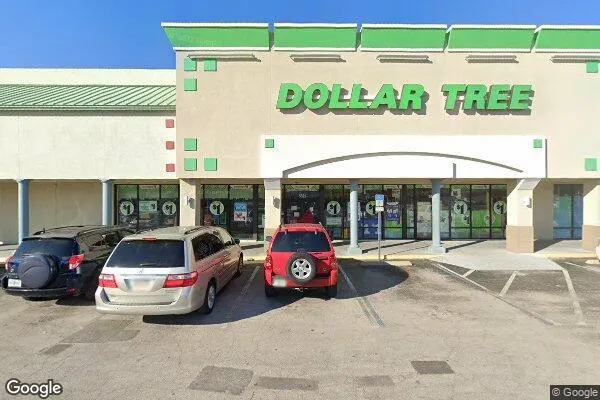
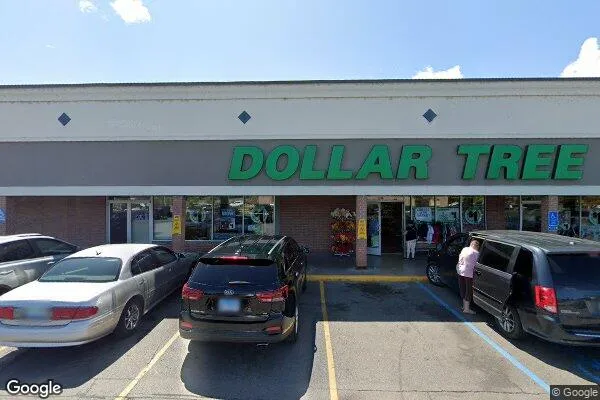
A lot of shoppers lump these two categories together, but they're pretty different animals. Dollar stores, also known as discount stores, bargain stores, and discount variety stores, are permanent retail fixtures. You know these places: Dollar General, Dollar Tree, Family Dollar. They carry a consistent mix of household goods, cleaning supplies, paper products, personal care items, packaged snacks, and seasonal stuff. Prices are low because these chains buy in enormous volume and keep overhead tight. Most locations carry a predictable inventory, which is actually one of their strengths once you learn what they reliably stock.
Salvage grocery stores are a different category entirely. These shops buy overstock, discontinued items, closeout merchandise, and products that are near their best-by dates from manufacturers, distributors, and grocery chains. Walk into one and you might find 40 cans of a name-brand soup for 30 cents each, or a pallet of bottled pasta sauce that a regional chain decided not to carry anymore. Inventory changes constantly. That's part of the excitement, honestly, but it also means you can't count on the same products being there next week. You can browse salvage grocery options in your area to get a feel for what's typically available near you before making the drive.
Where these two types overlap is in the general category of "things that cost way less than full retail." But the overlap is limited. Dollar stores are great for predictable restocking. Salvage grocers are great for scoring big on pantry staples when the timing is right. Neither one alone covers everything. Together, they cover a lot.
The Numbers Tell a Pretty Clear Story
There are currently 3,548 discount and dollar store businesses listed in our directory across major cities nationwide. That's not a niche segment anymore. That's a full retail category with serious reach, even in mid-sized cities where you might not expect it. Springfield leads with 40 listings, followed by Columbus with 39, Wilmington with 34, Jackson with 29, and Charleston with 28. These aren't major metro areas with millions of residents. These are regular American cities, and they've got dozens of affordable store options each.
Average customer rating across all listed businesses sits at 4.0 stars. Worth pausing on that. The stereotype about cheap stores being dirty, disorganized, or unpleasant to visit just doesn't hold up against actual customer data. People are rating these places the same way they'd rate a decent neighborhood restaurant or a solid local service. Budget-friendly does not mean low quality experience.
And then there are the standouts. Dollar General locations in Terre Haute, Indiana, Brownsville, Texas, and Dunlow, West Virginia all hold a perfect 5.0-star rating. Dollar Tree in Polson, Montana is sitting at 5.0 stars. Ukura's Big Dollar Store in McGregor, Minnesota, a name I had never heard before pulling this data, also hits 5.0. These aren't flukes. They're signs that when a store is well-managed and well-stocked, customers notice and they talk about it.
| Business Name | Location | Rating | Reviews |
|---|---|---|---|
| Dollar General | Terre Haute, IN | 5.0 ★ | 11 reviews |
| Dollar General | Brownsville, TX | 5.0 ★ | 10 reviews |
| Dollar General | Dunlow, WV | 5.0 ★ | 9 reviews |
| Dollar Tree | Polson, MT | 5.0 ★ | 6 reviews |
| Ukura's Big Dollar Store | McGregor, MN | 5.0 ★ | 4 reviews |
What to Buy Where: Stop Wasting Trips
This is where a lot of budget shoppers lose time and money. They'll go to a dollar store and buy canned goods at okay-but-not-great prices, or they'll skip a salvage grocer because they don't know what to expect. Getting clear on category strategy fixes both problems.
Dollar Store Category Sweet Spots
Discount stores shine brightest in a few specific categories. Cleaning supplies are almost always a better buy here than at a regular grocery store. Dish soap, sponges, mop heads, toilet bowl cleaner, all-purpose spray, these are commodities and the value store versions work just as well. Paper goods, paper towels, toilet paper, napkins, are solid buys too, especially if you're not married to a specific brand. Party supplies, seasonal decorations, gift wrap, and greeting cards are genuinely excellent deals at bargain stores. You'd pay three times as much at a regular retailer for the same paper plates.
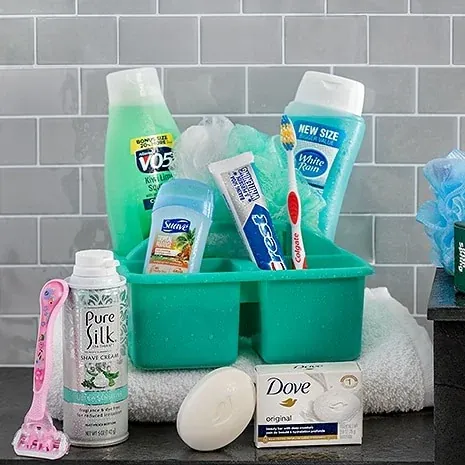
Personal care items are a mixed bag, honestly. Shampoo, conditioner, and body wash from dollar stores can be decent. Some people have strong brand preferences there and that's fine. But toothpaste, cotton balls, bandages, and basic first aid items are almost always worth grabbing at these cheap stores. Packaged snack foods and candy are good buys too, especially name-brand stuff that the chains carry in smaller package sizes.
Salvage Grocery Sweet Spots
Canned goods are the crown jewel of salvage grocery shopping. A can of beans doesn't care if it's three months past its best-by date printed on the lid. Canned goods are shelf-stable for years beyond that date in most cases, and salvage stores often have them for pennies on the dollar. Same story with dry pantry staples: rice, pasta, flour, sugar, dried lentils. These things don't go bad quickly and the savings at a salvage grocer can be dramatic.
Condiments, sauces, and beverages show up in big lots at salvage stores all the time. Discontinued flavors, overstock from a regional chain's rebranding, cases of sparkling water that a hotel chain ordered too many of, all of it ends up at salvage grocers. Frozen foods can be excellent too, though you need to check packaging carefully, which we'll cover in a minute. Name-brand cereals near their best-by dates are one of the best finds in this whole category. A $5 box of name-brand granola for 80 cents is a real thing that happens at these stores.
Divide your shopping list into two columns before you leave the house. Column one: cleaning, paper goods, personal care, snacks. That goes to the dollar store. Column two: canned goods, dry staples, condiments, cereals, beverages. That's your salvage grocer list. Frozen goods depend on what's available. Produce, meat, and dairy almost always need a regular grocery store unless your local salvage grocer has a dedicated cold section, which some do. Building this habit takes about two trips to get right, then it becomes automatic.
How to Actually Find Good Stores Near You
Searching "where to find dollar stores near me" on a general search engine gives you chains but not always the local independents or the smaller discount variety stores that are sometimes even better. A dedicated business directory is more useful here because listings include customer ratings, store hours, and sometimes product descriptions. With 3,548 businesses in our directory alone, there's a good chance several options are within driving distance of wherever you are.
When evaluating a store before visiting, look at the rating first. The 4.0-star average across listed discount and dollar store businesses is a reasonable baseline. A store sitting at 3.2 with a lot of reviews mentioning messy shelves or expired products is worth skipping. But don't ignore stores with fewer reviews; a 5.0-star store like Ukura's Big Dollar Store in McGregor with just four reviews is almost certainly worth visiting if you're in that area. Small-town value stores often have loyal customers who just don't post online as often.
Also check store hours before making a trip. Some salvage grocers have limited hours, especially if they're family-run operations. A few close entirely on certain days when they're restocking or receiving new shipments. Calling ahead once, even just the first time, saves a wasted drive.
First-Timer Tips for Salvage Grocery Stores
Walking into a salvage grocery store for the first time can feel a little chaotic. Shelves aren't always organized the way a regular grocery store would be. Products might be grouped by what arrived in the last shipment rather than by food category. Some stores smell like cardboard and dust, which is just what a warehouse-adjacent retail space smells like. Don't let that throw you off.
Check best-by dates, but understand what they mean. "Best by" and "use by" are different from "expires on." Most packaged foods are perfectly safe well beyond a best-by date. The date is about peak quality, not safety, for most shelf-stable products. In practice, the things to actually avoid are swollen or dented cans (dents along the seams are the concern, not random body dents), broken seals on jars, torn packaging on dry goods, and anything with visible mold or moisture damage. Frozen items should be fully frozen with no signs of thaw and refreeze cycles, which shows up as large ice crystals inside the packaging or a misshapen product.
Bring cash or a debit card. Some smaller salvage grocers don't take credit cards or have processing fees. Worth knowing before you're standing at the register with a cart full of discounted pasta sauce.
Building a Routine That Actually Works Long-Term
One trip per week doesn't always make sense with two store types in play. A better approach for most households is a bi-weekly or monthly schedule for the salvage grocer, combined with weekly or as-needed stops at the dollar store or discount variety store for consumables.
Here's a rhythm that works well. Every week, swing by the dollar store for cleaning supplies, paper goods, and whatever snacks you need to replenish. Every two weeks, or whenever you hear about a good shipment from a local salvage grocer (some post on social media or have email lists, which is genuinely useful), do a bigger pantry stock-up run. Buy multiples of canned goods and dry staples when the price is right, because those items keep for a long time and the price at a regular store will be three times higher later.
Maintaining a running household inventory sounds like more work than it is. A simple note on your phone listing what you have and roughly how much is enough. Typically, the real danger with salvage grocery shopping is overbying short-dated items you can't use in time. If you find a great deal on bread that expires in four days, buying six loaves doesn't make sense unless you're freezing them. That's a specific trap that catches a lot of new salvage shoppers. As a rule, the pantry staples, though, buy those in bulk without guilt.
Keep a "depleted soon" list separate from your main shopping list. When something hits about a quarter of the way left in your pantry, add it to the depleted list. Before a salvage grocery trip, check that list first. This stops you from impulse-buying 12 cans of black beans when you already have 8 sitting at home. It sounds simple because it is simple. It just takes a week or two to build the habit.
And here's something a lot of people don't think about: plan your route. If your nearest dollar store and salvage grocer are in the same general area of town, that's one efficient trip. If they're on opposite ends of your city, you're spending gas money that eats into your savings. Use the directory to find all the bargain stores and value stores in a given zip code or neighborhood, then map out which combination of stores makes geographic sense. Sometimes a slightly lower-rated store that's three miles closer is the smarter choice than driving across town for the top-rated one.
Frequently Asked Questions
Are products at salvage grocery stores safe to eat?
Yes, with normal caution. Most products at salvage grocery stores are perfectly safe. Shelf-stable items like canned goods, dry pasta, cereals, and packaged snacks remain safe well past their best-by dates in most cases. For most shoppers, the main things to avoid are damaged or swollen cans, broken seals, torn packaging on dry goods, and frozen items that show signs of thawing and refreezing. Best-by dates are about quality, not safety, for the majority of packaged foods.
What's the difference between a dollar store and a discount variety store?
Not much, really. Dollar stores like Dollar General and Dollar Tree are specific chains with standardized inventory. Discount variety stores is a broader term that can include independent bargain stores, closeout retailers, and small regional chains that sell a mix of goods at reduced prices. Both offer similar value, but independent discount variety stores sometimes have more interesting or varied inventory because they're not bound to a corporate planogram.
How do I find salvage grocery stores near me?
A general web search sometimes works but misses smaller independent shops. A better bet is checking a dedicated directory. You can find salvage grocery stores listed by location to see what's operating in your city or region. Local Facebook groups and neighborhood apps like Nextdoor are also surprisingly good for finding these hidden-gem stores through word of mouth.
Can I really save 30-50% on groceries using this strategy?
For many households, yes. Cleaning supplies alone at a dollar store run 40 to 60 percent less than at a regular grocery store. Salvage grocery deals on canned goods and dry staples can hit 70 to 80 percent off retail. Most savings stack up fast when you're consistent. These households that see the biggest gains are those who do a real category split, not just occasional stops at one store type.
Are dollar stores worth it if prices aren't all a dollar anymore?
Still worth it for most categories. Dollar General and Dollar Tree have both moved away from strict dollar-or-less pricing on everything, which frustrated a lot of loyal shoppers. Fair enough. But even at $1.25 or $2, most items at these discount stores are still significantly cheaper than the equivalent at a regular grocery store or pharmacy. Compare unit prices when you're unsure, and you'll usually see the discount store still wins on cleaning supplies, paper goods, and personal care.
Combining discount stores and salvage grocers isn't a dramatic lifestyle overhaul. It's just a smarter way to split your shopping list. With 3,548 businesses listed across our directory and an average rating of 4.0 stars, the options are out there in nearly every city and town. You just have to know where to look and what to look for.
More Ways to Save
Find Dollar Stores Near You
Browse our directory of 3,548+ discount stores, bargain stores, and value stores nationwide to find the best options in your area.
Search the Directory