Maximizing Your Budget: A Complete Guide to Shopping at Discount Stores
Picture this: someone walks into a big-box retailer to grab a few cleaning supplies and a package of paper plates, spends forty dollars, and walks out wondering what just happened. Meanwhile, their neighbor drives two minutes down the road to a dollar store, buys the exact same categories of products, and spends eleven dollars. The neighbor did not find some secret deal or clip a hundred coupons. They just knew where to go. That gap, right there, is what this whole guide is about.

Discount stores, dollar stores, bargain stores, and value stores have been growing steadily as a real, practical option for everyday shopping, not just as a place to grab cheap party supplies before a birthday party. People are doing their regular household shopping here now. And the variety has expanded so much over the last decade that the old image of these places as dusty back-alley shops full of expired food and low-quality knockoffs is just not accurate anymore. With 2,513 discount and dollar store businesses currently listed across the United States, this retail segment has become a genuinely significant part of how American households manage their grocery and household budgets. We are going to walk through what these stores actually are, where to find them, what to buy, what to skip, and how to shop them with a real strategy.
1. Know What You're Actually Walking Into: Types of Discount Stores Explained
Not every discount store is the same, and grouping them all together is one of the first mistakes shoppers make. Walking into a thrift store expecting the same experience as a dollar store is going to lead to frustration, and doing the reverse is equally confusing. These formats are genuinely different businesses with different sourcing, different product types, and different shopping experiences.

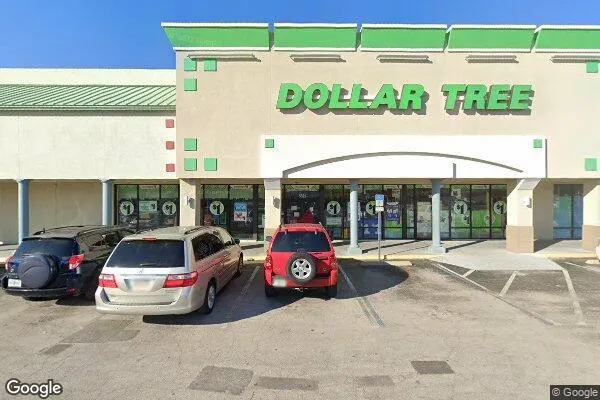
Dollar stores are what most people picture first. Places like Dollar Tree, Dollar General, and Family Dollar built their entire brand around low price points, though the strict "everything's a dollar" model has shifted a bit in recent years as inflation pushed more items into the $1.25 to $5 range. These stores carry a mix of private-label products, national brand overstock, and bulk-purchased household goods. They restock frequently and maintain consistent inventory categories, so you can usually count on finding the same types of items on each visit.
Discount variety stores are a slightly different animal. Think of places like Five Below, Tuesday Morning (before it closed most locations), or smaller regional chains that carry a rotating mix of branded merchandise, seasonal items, and clearance goods. Product selection changes often because these stores buy store closeouts and overstock from larger retailers, which means you might find a name-brand kitchen gadget for $4 one week and never see it again. That unpredictability is either exciting or annoying depending on your shopping style.
Thrift stores, meanwhile, operate on donated or secondhand goods. Goodwill, Salvation Army, and hundreds of smaller independent resale shops fall into this category. Pricing is often very low, but quality varies wildly from item to item and store to store. These are not the places to stock up on predictable household staples, but they are genuinely great for furniture, clothing, books, and the occasional surprising find.
And then there are store closeout retailers and bargain bins, which are exactly what they sound like: stores that buy up excess inventory from manufacturers and larger retailers who need to move product fast. Prices can be dramatically low, but inventory is inconsistent and sometimes genuinely weird. You might find fifty varieties of a specific pasta sauce and nothing else in the food aisle. That is just the nature of closeout retail.
2. The Real Size of This Industry (And Why the Numbers Are Surprising)
Here is some data that puts things in perspective. Across the United States, there are currently 2,513 discount and dollar store businesses listed in our directory. That is a lot of stores. For comparison, that's roughly double the number of Trader Joe's locations in the whole country. These stores are everywhere, spread across urban cores, suburban strips, and smaller rural towns where they often serve as the closest thing to a general merchandise retailer within reasonable driving distance.
Average customer rating across these listed businesses sits at 4.0 stars. That number might not sound flashy, but for a retail category that often gets dismissed as low-quality or unpleasant to shop in, a 4.0 average across 2,500-plus businesses is genuinely solid. Shoppers are not just tolerating these stores; they are coming back and leaving good reviews.
Geographically, the concentration is interesting. Greenville leads the directory with 22 listings, followed by Lexington, Orlando, and Norfolk each with 21 listings. Those are not the cities most people would guess. You might expect New York or Los Angeles to top the list, and they certainly have plenty of discount stores, but when you look at listing density by city, mid-sized southern and mid-Atlantic cities punch well above their weight. That probably reflects the income mix in those areas and the strong demand for affordable stores among working-class and middle-class households who live there.
If you live near Greenville, Lexington, Orlando, or Norfolk, you are in one of the most discount-store-dense areas in the country. That means more competition between stores, which sometimes translates to better stocked shelves and more attentive customer service as these businesses compete for your regular shopping trips.
Some of the top-rated individual businesses in the directory are worth calling out, because they reveal something interesting about how this category works. A retail florist in Kansas City scores a perfect 5.0 stars across 333 reviews. A food delivery business in New York, Iowa, also hits 5.0 with 180 reviews. A novelties shop in Pennsylvania Furnace, Pennsylvania sits at 5.0 with 133 reviews. These are not the giant chain stores that dominate the discount world. They are smaller, specialized businesses that happen to operate within the broader discount and variety retail space, and they are clearly doing something right at the customer service level that the big chains sometimes struggle with.
| Business Type | Location | Rating | Reviews |
|---|---|---|---|
| Retail Florist | Kansas City, KS | 5.0 ★ | 333 |
| Food Delivery | New York, IA | 5.0 ★ | 180 |
| Novelties | Pennsylvania Furnace, PA | 5.0 ★ | 133 |
| Retail Florist | Illinois City, IL | 5.0 ★ | 53 |
| Novelties | Indiana, PA | 5.0 ★ | 21 |
3. How to Actually Find Discount Stores Near You
Most people already know the major chains. But if you want to find the full range of dollar stores, bargain stores, and smaller affordable stores in your area, a single Google search is not always enough. Chains like Dollar General and Dollar Tree have their own store locator tools on their websites, and those are worth bookmarking. Type in your zip code and you will get a list with hours, addresses, and sometimes even weekly deals. Fast, practical, done.
But the more interesting finds often come from business directories. Searching a local directory or a site like ours for terms like "where to find dollar stores near me" or "bargain stores" alongside your city name will surface listings that Google's algorithm might bury under paid ads from the big chains. Smaller independent discount variety stores and regional bargain chains sometimes have weak online presences but strong local reputations, and directories tend to capture those listings in a way that general search engines do not prioritize.
Community boards and neighborhood apps like Nextdoor are genuinely underrated for this. Somebody in your neighborhood probably already knows the best cheap store within five miles that nobody outside the immediate area has heard of. Local Facebook groups for deal-hunting or frugal living are another surprisingly rich resource. People in those groups are often fiercely loyal to specific stores and will give you the real breakdown: which store has the best cleaning supplies, which one restocks on Tuesday mornings, which one's parking lot is a nightmare on Saturdays. That's the kind of operational detail you cannot get from a website.
Once you find a listing, actually read it before you drive there. Check the hours, look at recent reviews (not just the star average), and see if anyone mentions whether the store carries what you are looking for. A 4.0-star store with a recent review saying "shelves were bare and half the items were expired" tells you something different than a 3.8-star store where every review mentions how clean it is and how helpful the staff are. Star ratings are a starting point, not the whole story.
Search your local business directory using the specific product you need, not just "dollar store." Searching "cleaning supplies bargain store [your city]" or "party supplies discount store [zip code]" sometimes surfaces specialty retailers you'd never find otherwise.
4. What to Buy at Discount Stores (And What to Leave on the Shelf)
This is where a lot of people go wrong in both directions. Some shoppers assume everything at a cheap store is garbage, so they underuse these places and pay way more than they need to for basic household items. Others go in without any filter and buy things that genuinely are not worth even the low price. A little bit of category knowledge goes a long way.
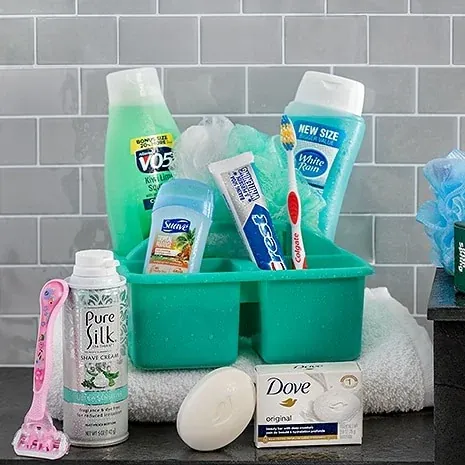
Cleaning supplies are the single best category at dollar stores and discount variety stores. Full stop. Dish soap, laundry detergent, all-purpose sprays, sponges, mops, scrub brushes, the quality difference between the private-label versions at a dollar store and the name brands at a grocery store is minimal for most cleaning tasks, and the price difference is enormous. A spray bottle of multi-surface cleaner that costs $4.99 at the grocery store might be $1.25 at a dollar store and work just as well. Buy cleaning supplies at discount stores and stop overpaying for the name on the label.
Party supplies and gift wrap are another slam dunk. Balloons, streamers, paper plates, plastic cups, wrapping paper, tissue paper, gift bags, ribbon. Nobody is inspecting the weight of the cardstock on your gift bag. These items are also where dollar stores completely dominate because there is essentially no quality compromise involved at all.
Seasonal decorations are great buys too. Halloween, Christmas, Easter, Fourth of July, the dollar store and bargain store seasonal sections fill up fast and sell out fast, so shop early in the season. The decorations are usually simple and not particularly durable, but if you are dressing up a porch or a table, they do the job just fine.
Canned and dry food items are worth picking up at these stores, but with one important check: always look at the expiration dates. Most of the time the food is perfectly fine, but occasionally items sit on shelves longer than they should. Canned beans, pasta, rice, oatmeal, coffee, snacks, these are all solid buys. If you are looking for a broader range of discounted food options, it is worth checking out salvage grocery stores, which specialize in deeply discounted food items including overstock and short-dated products and can be an incredible resource for stretching a grocery budget even further.
Now, what to skip. Electronics. Just do not. A $3 phone charger from a discount store is almost certainly going to stop working within weeks, and in some cases cheap chargers have been flagged for safety issues. This is not worth the gamble. Same general caution applies to children's toys, especially anything without a visible safety certification label. Check for ASTM markings on toys; if there's nothing, put it back.
Tools and hardware are a mixed bag. Basic hand tools like hammers, screwdrivers, and tape measures from discount stores are often fine for light, occasional use. But if you are planning any real project, the dollar store version of a drill bit or a level is probably going to frustrate you. Spend the extra money at a hardware store for anything that needs to perform reliably.
Over-the-counter medications and vitamins are tricky. Dollar stores do carry them, and the active ingredients in generic pain relievers or antacids are regulated, so the medication itself should be fine. But again, check expiration dates carefully on anything in this category.
5. Smart Shopping Strategies That Actually Work
Going into a discount store without any plan is how you end up with twelve pairs of reading glasses, a ceramic rooster you did not need, and none of the dish soap you came for. These stores are genuinely designed to encourage impulse buying, and they are good at it. In practice, the prices are low enough that throwing a few extra things in the basket feels almost free, until you're standing at the register wondering how you spent $40 at a dollar store.
Make a list before you go. Not a mental list, an actual list. Check what you are out of at home, write it down, and stick to it. That sounds basic because it is basic, but it is also the single most effective thing you can do to keep your discount store trips truly budget-friendly instead of just cheap-feeling.
Compare unit prices before assuming the discount store wins. This surprises people, but sometimes a big-box store or a warehouse club actually has a lower unit price on bulk items than a dollar store. A dollar store might sell a 12-ounce bottle of dish soap for $1.25, which sounds amazing. But if the grocery store is running a sale on a 32-ounce bottle for $2.50, you are getting more soap per dollar at the grocery store. Do the math on things you use a lot of. For cleaning supplies and pantry staples especially, price per ounce or per unit matters more than the sticker price.
Learn the restock schedule at your local stores. Most dollar stores and discount variety stores restock on specific days of the week, often Tuesdays or Wednesdays. If you want the best selection, especially of seasonal items or store closeout goods that move fast, shopping early in the week right after a restock gives you first pick. Ask a staff member if you are not sure when their truck comes in. They will usually tell you.
Stock up on non-perishables when you find good deals. If a discount store near you has a solid supply of paper towels, soap, or canned goods at prices well below what you'd pay elsewhere, buy more than you need for the week. These are things that don't expire quickly, and you're essentially locking in the lower price. Thrift stores are a bit different in this regard since inventory is always changing, but for dollar stores and bargain stores with consistent stock, buying ahead on essentials makes real financial sense.
Combine discount store shopping with salvage grocery shopping for maximum savings. Use discount stores for household goods, cleaning supplies, and party items. Use salvage grocery stores for pantry staples and food items at deeply reduced prices. Together, these two strategies can cut a household budget by a surprisingly large margin each month.
One more thing worth mentioning: pay attention to the private-label branding. Dollar stores have gotten much better at their house brands over the last decade. Products sold under store-branded labels are often made by the same manufacturers as national brands, just packaged differently. This is common across retail in general, not just in discount stores. If a cleaning product or a personal care item lists the same active ingredients as its name-brand equivalent and is made in the same country by what appears to be the same type of manufacturer, you are probably fine buying it. Reading labels takes an extra thirty seconds and can save you real money over time.
6. How Discount Stores Source Their Products (And Why It Matters for Shoppers)
Understanding where the products come from actually helps you shop these places better. Discount stores do not just buy inferior goods and mark them down. Typically, the sourcing models are more varied and more interesting than that.
Bulk purchasing is the most common model for dollar stores. They negotiate with manufacturers and distributors to buy enormous quantities of specific products at a steep discount and pass some of that savings to the consumer. Private-label products work similarly: the store contracts with a manufacturer to produce goods under the store's brand, cutting out the cost of national brand marketing and packaging. That's why you can buy a perfectly functional bottle of shampoo for a dollar and a half.
Overstock and store closeouts are a different mechanism. When a larger retailer over-orders inventory or discontinues a product line, they often sell the excess to discount variety stores and bargain retailers at a fraction of the wholesale price. That is how you end up finding a name-brand cooking gadget or a recognizable snack brand at a tiny fraction of what it would cost at a regular store. These deals are real. They come and go fast, which is why regular visits to a discount variety store you trust often pay off better than sporadic visits.
Some discount stores also source from international manufacturers, particularly in China and other Asian markets, which keeps production costs low. This is not inherently a quality issue, but it is worth noting when buying items like tools, toys, or personal care products where safety standards vary by country of origin. Look for items that meet U.S. safety standards and carry appropriate certifications, especially anything intended for children.
Salvage and short-dated merchandise is another sourcing channel, particularly for food items. Products close to their best-by date are often sold at very low prices. Most of the time this is completely fine, especially for shelf-stable dry goods. But it does require a bit more attention from the shopper, which circles back to the earlier point about always checking dates on food items.
7. Building a Long-Term Discount Shopping Routine
As a rule, the shoppers who save the most money at dollar stores and bargain stores over time are not the ones who visit occasionally for a specific deal. They are the ones who have built these stores into their regular shopping routine and who understand what each type of store is good for.
A practical routine might look like this: a weekly or bi-weekly stop at a dollar store for cleaning supplies, paper goods, and pantry staples. A monthly trip to a discount variety store or bargain store to see what closeout items have come in that week. Occasional visits to thrift stores for clothing, home goods, or books depending on your needs. And maybe a quarterly check of store locator tools and local directories to see if any new affordable stores have opened in your area, since the discount retail sector