Maximizing Savings: How to Shop Smart at Discount Stores
The Mistake Most Shoppers Make Before They Even Walk In
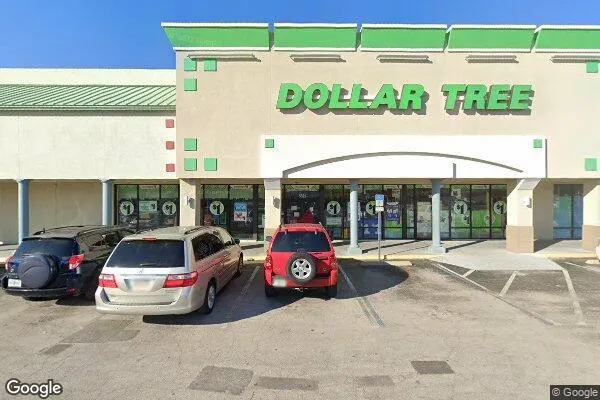
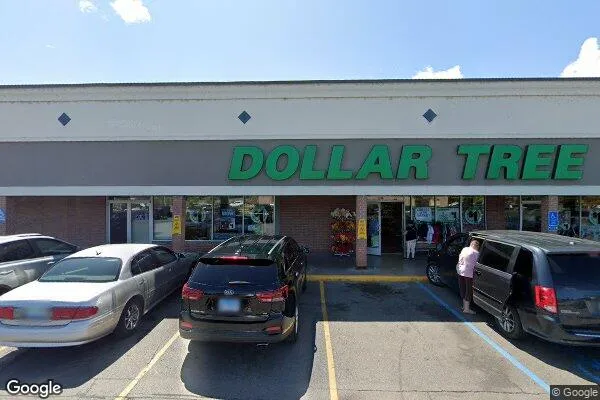
Picture this: someone drives past a Dollar Tree on their way to a big-box retailer, thinking the dollar store is fine for birthday candles but not much else. They spend $140 at the bigger store on cleaning supplies, paper plates, and gift wrap. Back home, they mention the trip to a neighbor who just stocked up on the exact same items at a discount variety store for about $38. That gap is not a fluke. It happens constantly, and it happens because a lot of people have quietly decided that bargain stores are a last resort rather than a first stop. The data tells a different story.

Discount stores, broadly defined, are retail outlets that sell products at prices well below standard retail. That covers dollar stores like Dollar General and Dollar Tree, closeout stores that buy excess manufacturer inventory, thrift stores that resell donated or returned goods, and discount variety stores that carry a rotating mix of branded and generic merchandise. Each type operates on a different sourcing model, but they share a common goal: move product fast at low margins, high volume. For shoppers willing to learn how these places work, the savings are real and repeatable. With the right approach, households can cut hundreds of dollars per year off routine expenses without giving up quality on the things that matter.
Understanding How Discount Stores Actually Work
There is a meaningful difference between a dollar store, a closeout store, and a thrift store, and mixing them up leads to wrong expectations. Dollar stores like Dollar General and Dollar Tree operate on a fixed-price or near-fixed-price model with a consistent product lineup. You can generally count on finding the same cleaning supplies, snacks, and seasonal items every visit. Closeout stores are different animals entirely. They buy overstock, discontinued lines, or packaging-change inventory from manufacturers and sell it at deep discounts. Their selection changes constantly. Walk in one week and find name-brand shampoo for $1.50; walk in three weeks later and it's gone.
Thrift stores operate on donated goods and are genuinely unpredictable. You might find a $4 cast-iron skillet or you might find nothing worth buying. They're best approached as browsing destinations rather than errand stops. Discount variety stores sit somewhere in the middle, carrying a mix of new, closeout, and seasonal merchandise across categories from household goods to food to small appliances.
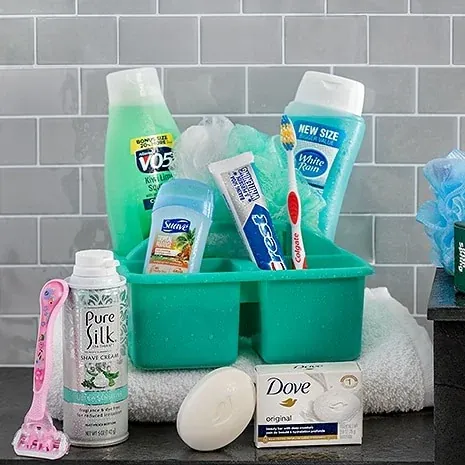
A lot of people assume these stores carry only off-brand junk. That misconception is worth correcting directly. Plenty of dollar store shelves hold name-brand products, sometimes in smaller package sizes, sometimes in packaging that changed and made the old version unsellable at full retail. And honestly, for product categories like cleaning sprays, trash bags, and greeting cards, brand name differences in quality are nearly invisible to most users anyway.
Discount stores are not a substitute for every shopping trip. They're a strategic first stop for specific categories. Knowing which categories those are is what separates shoppers who save big from those who wander in and buy random things they didn't need.
Discount Stores by the Numbers: What the Industry Data Shows
3,748. That's how many discount and dollar store businesses are currently listed in our directory across major U.S. cities. That number reflects a retail sector that has grown faster than almost any other category over the past decade. For context, dollar store chains added more new locations between 2010 and 2023 than most grocery chains have in their entire histories. These aren't fringe shops. They're a mainstream part of how Americans buy everyday goods.
City-level data is interesting here. Springfield leads with 40 listings, followed closely by Phoenix and Columbus with 39 each, Wilmington with 34, and Jackson with 29. What's notable is that this isn't just a big-city story. Mid-sized and smaller markets show strong presence too. Springfield and Jackson are not major metros in the way Phoenix is, yet they carry nearly the same listing density. That pattern reflects something real about where discount stores thrive: communities where households are budget-conscious and where big-box competition is less saturated.
Average customer rating across all 3,748 listings sits at 4.0 stars. Contrary to what you might expect from stores associated with low prices, that rating is competitive with many full-price retailers. Shoppers are not just tolerating these places. They're genuinely satisfied. And some locations earn perfect scores. Dollar General in Terre Haute, Indiana holds a 5.0-star rating across 11 reviews. Dollar General in Brownsville, Texas: 5.0 stars, 10 reviews. Dollar General in Dunlow, West Virginia: 5.0 stars with 9 reviews. Dollar Tree in Polson, Montana and Ukura's Big Dollar Store in McGregor, Minnesota round out the top performers, both at 5.0 stars.
| Business Name | Location | Rating | Reviews |
|---|---|---|---|
| Dollar General | Terre Haute, IN | 5.0 ★ | 11 |
| Dollar General | Brownsville, TX | 5.0 ★ | 10 |
| Dollar General | Dunlow, WV | 5.0 ★ | 9 |
| Dollar Tree | Polson, MT | 5.0 ★ | 6 |
| Ukura's Big Dollar Store | McGregor, MN | 5.0 ★ | 4 |
Five-star ratings at small-town Dollar General locations in West Virginia and Montana might raise eyebrows for some readers. But it actually makes sense. In communities with fewer retail options, a well-stocked, well-run dollar store fills a genuine gap. Staff get to know regular customers. Inventory turnover is predictable. The experience is consistent. Small stores in underserved areas often outperform large urban locations on service metrics because the relationship between staff and community is tighter.
How to Find the Best Discount Stores Near You
Searching "where to find dollar stores near me" on Google returns results, but they're not always sorted by quality. You get proximity, not performance. A better approach is to use a business directory that lets you filter by city, rating, and store type together. Our directory lists 3,748 businesses with ratings attached, so you can look for affordable stores in your area and sort by customer satisfaction at the same time. That distinction matters when you're deciding between two locations that are roughly equal distance from your house.
Before visiting a new bargain store for the first time, spend three minutes reading reviews. Look specifically for comments about stock levels, cleanliness, and staff. Avoid reading too much into one or two negative reviews, especially if the complaint is about something situational like a one-time checkout delay. Instead, look for patterns. If multiple reviews over a 12-month span mention empty shelves or disorganized stock, that's a real signal. If most reviews are positive with occasional minor complaints, that's a normal distribution for any retail location.
Also check hours before you go. This sounds obvious, but discount stores in smaller markets sometimes have reduced hours that don't match what you'd expect from a major retail chain. Some close at 7 or 8 p.m. rather than 9 or 10. A wasted trip because a store was already closed is a real cost in time and fuel, especially if the location is out of your normal route.
Before driving to a new discount or dollar store location: confirm hours online, skim the most recent 8-10 reviews, note whether reviewers mention specific product categories you need, and check if there's street parking or a lot (some urban locations have genuinely frustrating parking situations that eat into the time you saved by shopping cheap).
One more thing worth knowing: some of the best cheap stores are not national chains at all. Independent discount variety stores and regional closeout chains don't always rank high in generic Google searches, but they often appear in directories with solid review histories. Ukura's Big Dollar Store in McGregor, Minnesota, mentioned earlier, is a good example. It's not a brand name most people outside that region would recognize, but it holds a perfect 5.0-star rating. If you rely only on name recognition, you miss those places entirely.
Smart Shopping Strategies That Actually Move the Needle
Go in with a list. This is not generic advice. At discount stores specifically, the store layout is often designed to encourage browsing through multiple departments before you reach what you came for. Seasonal displays near the entrance, snack aisles positioned on the way to household goods, impulse items at checkout. Without a list, the average shopper spends 30 to 40 percent more than they planned. With a list, you move with purpose and leave having bought what you needed.
Know your categories. Cleaning supplies are almost always a strong buy at value stores: dish soap, multi-surface spray, scrubbing pads, sponges, toilet bowl cleaner. Unit prices on these items at dollar stores routinely run 20 to 50 percent below grocery store prices for equivalent products. Party supplies are another no-brainer. Balloons, streamers, disposable plates and cups, gift bags, tissue paper. In practice, the markup at specialty party stores on these items is genuinely staggering, and quality differences are minimal. Seasonal decorations for holidays like Halloween and Christmas are priced dramatically lower than department stores, sometimes 60 to 70 percent less for comparable items.
Compare unit prices, not sticker prices. A $1.25 bottle of dish soap sounds like a deal until you notice it's 8 oz. while the $2.50 version at the grocery store is 24 oz. Do the math. Some items at dollar stores are a better deal per unit; others are not. Typically, the best shoppers treat these places like any other store and run the quick calculation before buying. You don't need a calculator app for this. Most of the time, rough mental math is close enough to catch the obvious mismatches.
Check expiration dates on food products. Always. This isn't a knock on discount stores specifically. It's just good practice anywhere that sells closeout or near-date inventory. Most of the time, products are fine. Occasionally, you'll find something that's 2 weeks from expiration. If you're buying for immediate use, that's not a problem. If you're buying to stock a pantry for three months, it is.
And speaking of food, if you're interested in extending your budget shopping into groceries more broadly, there's a growing category of salvage grocery stores that operate on a similar model to closeout retailers. You can browse salvage grocery options in your area to see if there are any near you. These stores carry surplus and near-date packaged goods at steep discounts, and the savings on shelf-stable pantry items can be substantial.
What to Buy and What to Skip
Best buys at discount variety stores, in rough priority order: greeting cards (retail stores charge $5 to $8 each; dollar stores charge $1 to $2 for comparable options), gift wrap and ribbon, kitchen tools like vegetable peelers and measuring cups, cleaning supplies, party and entertaining supplies, basic school and office supplies, candles, picture frames, storage bins and organizers, and seasonal decor.
Name-brand closeout items deserve a special mention. Closeout stores and some dollar stores periodically stock name-brand goods that were overproduced or had packaging changes. Finding a well-known brand of shampoo or conditioner at 70 percent off retail isn't a red flag. It's just how closeout inventory works. If the seal is intact and the expiration date is fine, buy it.
Where to be careful: electronics. A $3 phone charger from a dollar store might work for six months, or it might stop working in three weeks. For anything that plugs in and powers a device you depend on, spending a few extra dollars on a known brand from a reputable retailer is worth it. Cheap cables can also damage device batteries over time, which costs more to fix than the $8 you saved on the cable. Similarly, children's toys at some bargain stores can be inconsistent on safety standards. Stick to name brands or identifiable manufacturers even if it means paying more.
Certain food products warrant caution too. Canned goods and dry pantry staples are generally fine. Mystery brand beverages and unfamiliar snack products from discount stores are more hit or miss. Not dangerous, just sometimes disappointing. Buy one before stocking up on a dozen.
If the category is one where brand differences and quality variation don't affect your daily life much, buy it at a discount store. If the product involves safety, daily reliability, or something you'll use for years, compare more carefully before buying the cheapest option available.
Making Discount Shopping a Real Part of Your Budget
One-off savings are nice. Systematic savings are what actually change a household's financial picture. A family that makes two targeted trips per month to dollar stores and discount variety stores, buying cleaning supplies, party goods, seasonal items, and basic pantry staples at consistent 30 to 50 percent discounts, can realistically save $600 to $1,200 per year compared to buying those same items at full-price grocery or department stores. That's not a made-up projection. Run the numbers on your own monthly spending and you'll get close to that range.
Combine discount store shopping with coupons where you can. Dollar General in particular runs a coupon app with regular digital coupons and rollback pricing. If you're already shopping there, taking two minutes to check the app before checkout isn't much of an effort and can add another 10 to 20 percent in savings on specific items. Dollar Tree's model doesn't lend itself to coupons the same way, but watching their seasonal cycle matters. Post-holiday inventory clearances at discount stores can be extreme. Buying Christmas wrap and decorations in early January at 50 to 70 percent off their already-low prices is one of the most efficient ways to cut holiday spending for the following year.
Track your spending. Seriously. Most people who start shopping at bargain stores regularly have a vague sense they're spending less, but they don't know how much less. Keeping a simple running tally, even just noting what you spent on cleaning supplies and household goods each month, gives you real data to work with after three or four months. As a rule, the difference is usually surprising. Not in a small way.
There's also something to be said for the psychological shift that comes with treating affordable stores as a normal part of your shopping rotation rather than a fallback. Shoppers who do this regularly stop overthinking it. They know which stores in their area have the best stock for which categories, they know the layout, they're in and out in 15 minutes. It stops being a compromise and starts being efficient. That shift is where the long-term savings actually live.
Frequently Asked Questions
Are dollar store products lower quality than regular store products?
Not consistently. For many categories, especially cleaning supplies, party goods, greeting cards, and seasonal decorations, quality differences between dollar store products and their full-price equivalents are minimal. For electronics, certain food products, and safety-related items, it's worth being more selective. For most shoppers, the category matters more than the store type.
How do I find the best-rated dollar stores near me?
Use our directory to search by city and sort by rating. With 3,748 listings and an average rating of 4.0 stars across the board, there are well-reviewed options in most markets. Check the most recent reviews for notes on stock levels and cleanliness before making a trip.
What's the difference between a dollar store and a closeout store?
Dollar stores like Dollar General and Dollar Tree maintain consistent inventory you can count on visit to visit. Closeout stores buy surplus and discontinued goods from manufacturers, so their selection changes constantly. Both can offer great value, but they require different shopping strategies. Dollar stores are better for routine restocking; closeout stores reward frequent visits and flexibility.
Can I use coupons at discount stores?
At Dollar General, yes. Their app offers regular digital coupons and rollback deals. Dollar Tree does not accept manufacturer coupons at most locations. Closeout and independent discount stores vary. Check the store's website or app before assuming coupons are accepted.
What cities have the most discount store options?
Based on our directory data, Springfield leads with 40 listings, followed by Phoenix and Columbus at 39 each, Wilmington with 34, and Jackson with 29. Both large metros and mid-sized cities show strong availability, so most shoppers have multiple options within a reasonable distance.
Is it worth making a special trip just for a dollar store?
If you're buying in the right categories and buying enough to make the trip worthwhile, yes. A 15-minute trip that saves $25 to $40 on cleaning supplies and household goods is a solid use of time. If you're going just to grab one item, factor in fuel costs. Most savings math works best when you're doing a focused restocking run on multiple categories at once.
More Ways to Save
Find Dollar Stores Directory Near You
Browse our directory of 3,748+ discount and dollar store businesses across the United States. Filter by city, read real customer reviews, and find the best-rated affordable stores in your area.
Search the Directory