How to Organize Your Shopping List for Dollar Stores (And Actually Stick to Your Budget)
That Feeling When You Walk Out Spending Three Times What You Planned
You walked in for dish soap, some birthday candles, and maybe a pack of pens. Forty-five minutes later you're loading the car with a decorative throw pillow, six bags of candy, a plastic storage bin you don't need yet, and, somewhere under all that, the dish soap. Sound familiar? Dollar stores and discount stores have a specific kind of magic that makes this happen to almost everyone, and it's not an accident. It's the whole point. But if you show up with a well-organized shopping list, you can flip the script entirely and actually leave feeling good about what you spent.
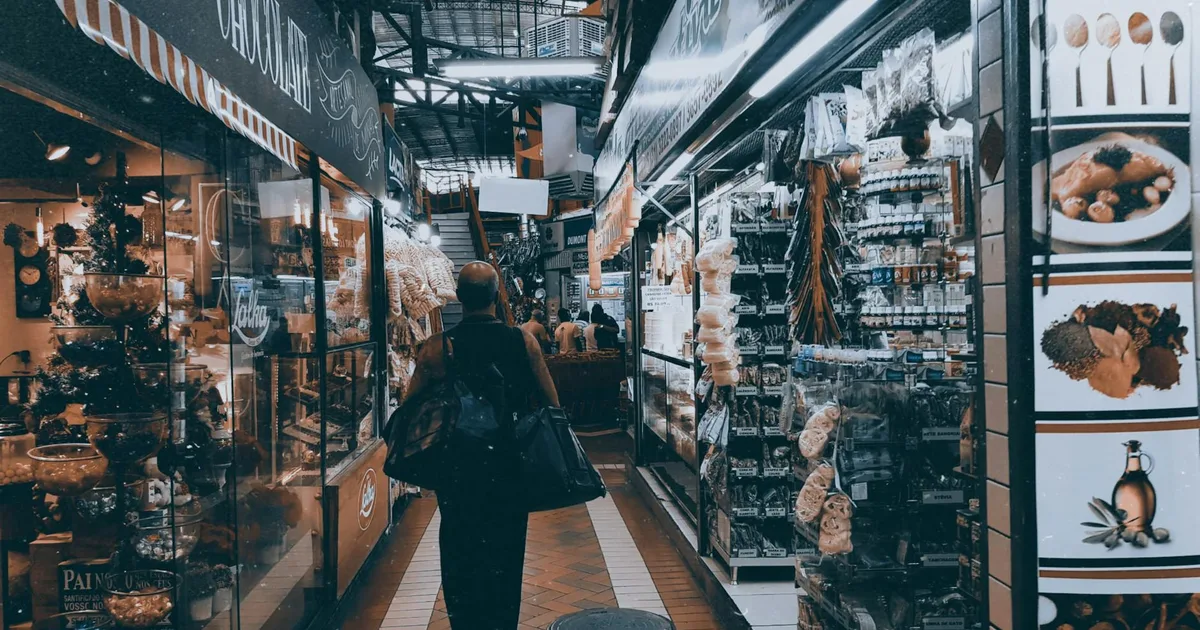
This article is for anyone who shops at bargain stores, value stores, or discount variety stores and wants to get more out of every trip. Whether you're stocking up for a household of five or just grabbing a few things for the week, a smarter list makes a real difference. Not a vague, "write things down" kind of difference. A real, measurable, fewer-regrets-at-the-register kind of difference.
Why Dollar Stores Are So Easy to Overspend In
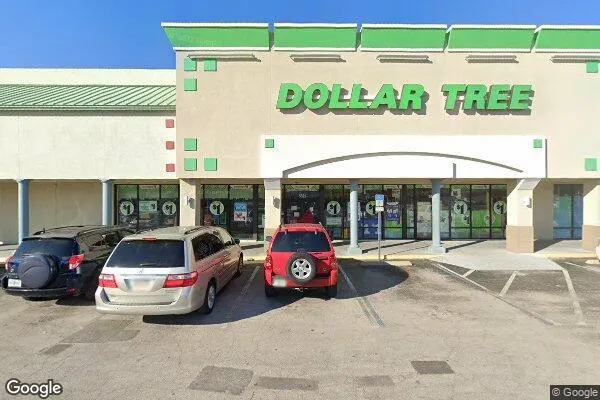
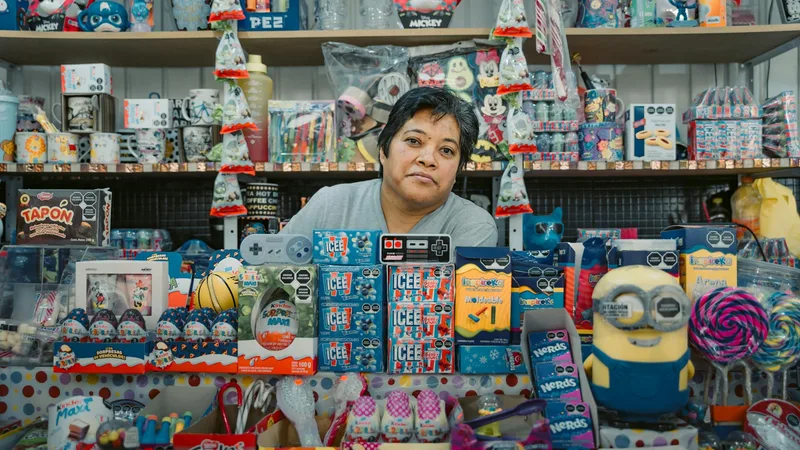
Walking into a well-stocked dollar store is genuinely exciting. There's a lot going on visually. Bright packaging, seasonal end-caps crammed with Halloween stuff in September, a whole wall of cleaning products that feel like a deal before you've even checked the price. And the smell, a mix of plastic packaging and those little air fresheners they always seem to sell near the entrance. It's stimulating in a way that larger grocery stores just aren't.
Part of the issue is how these stores are laid out. Cheap stores and bargain stores don't usually organize their stock the way a traditional grocery store does. Items rotate constantly, new closeout products show up without warning, and seasonal sections shift every few weeks. That unpredictability is actually a selling strategy. If you don't know what you'll find, you browse more. And browsing leads to buying things you didn't plan on.
There's also what some people call the "it's only a dollar" effect, though plenty of items at modern discount stores cost two, three, or even five dollars now. Each individual item feels too small to worry about. But add eight of those impulse buys together and you've spent an extra $20 you didn't budget for. That adds up fast, especially if you shop at these places weekly or even twice a month.
And here's something worth knowing: you're not bad at budgeting. This is just how the environment is designed. The fix isn't willpower. It's preparation.
The Dollar Store Market Is Bigger Than Most People Realize
Our directory currently lists 3,748 dollar store and discount store businesses across the country, with an average customer rating of 4.0 stars. That's a lot of locations, and that satisfaction score tells you something real: people actually like shopping at these places. They're not just tolerating them as a budget option. They're coming back and leaving positive reviews.
Springfield leads all cities with 40 listings, followed closely by Phoenix and Columbus (both at 39), then Wilmington at 34 and Jackson at 29. If you live in or near any of those cities, you have real options. You can be selective about which location you visit based on hours, reviews, or proximity. That's actually worth thinking about before you go, not all stores carry the same inventory, and some locations are noticeably better-stocked than others.
Some of the highest-rated individual stores in the directory include a Dollar General in Terre Haute, IN with a perfect 5.0 stars across 11 reviews, a Dollar General in Brownsville, TX also at 5.0 with 10 reviews, and a Dollar General in Dunlow, WV at 5.0 with 9 reviews. Dollar Tree locations in Polson, MT and Manchester, NH round out the top five, both sitting at a perfect 5.0. These aren't flukes, consistently high reviews usually point to well-organized stores with good stock and friendly staff, which makes your organized list even easier to execute.
| Store | Location | Rating | Reviews |
|---|---|---|---|
| Dollar General | Terre Haute, IN | 5.0 ★ | 11 |
| Dollar General | Brownsville, TX | 5.0 ★ | 10 |
| Dollar General | Dunlow, WV | 5.0 ★ | 9 |
| Dollar Tree | Polson, MT | 5.0 ★ | 6 |
| Dollar Tree | Manchester, NH | 5.0 ★ | 4 |
With nearly 3,750 locations across the directory, there's almost certainly a value store near you. If you're searching for where to find dollar stores near me, the directory search makes it easy to filter by city and check ratings before you go.
How to Actually Categorize Your Shopping List
Most people write shopping lists as a single running column. "Dish soap. Paper plates. Shampoo. Chips. A card for Mom's birthday." That works fine at a store with clear department signage, but inside a discount variety store with a rotating floor plan, it turns into a lot of backtracking. You grab the chips, end up in snacks, then realize you forgot the paper plates two aisles back. Multiply that by a dozen items and you've added ten minutes to your trip and walked past tempting stuff twice.
Grouping your list by category mirrors how you'll physically move through the store. It's faster, it keeps your focus, and it makes the "am I done?" check at the end much simpler. Here are the most common categories you'll actually find in most dollar stores and bargain stores:
- Household supplies: Paper towels, toilet paper, plastic bags, aluminum foil, storage containers
- Cleaning products: Dish soap, all-purpose spray, sponges, mop heads, trash bags
- Snacks and food: Chips, cookies, canned goods, drink mixes, condiments
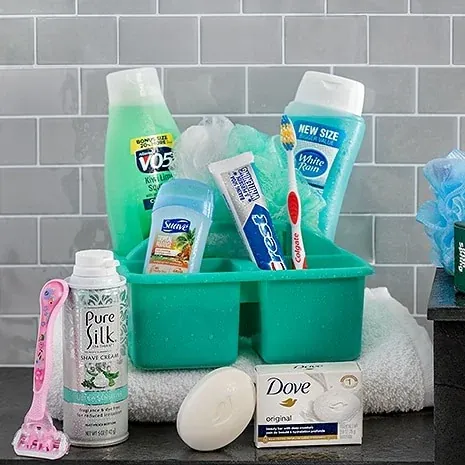
- Personal care: Shampoo, body wash, toothpaste, cotton rounds, razors
- Party and seasonal supplies: Balloons, gift bags, wrapping paper, decorations, candles
- Office and school: Pens, notebooks, tape, scissors, sticky notes
- Health basics: Bandages, pain reliever, antacids (always check expiration dates on these)
A quick example of what a categorized list looks like in practice: instead of writing "pens, chips, dish soap, birthday card, shampoo, tape," you'd write it as two or three grouped clusters. Household/cleaning first, personal care second, food third, and party/office last. You can even add a quick quantity note right there on the list: "dish soap x1, trash bags x2." That tiny addition prevents you from grabbing three packs of trash bags because they're cheap and you're not sure how many you have at home.
Cleaning: Dish soap (1), trash bags (2), sponges (3)
Personal Care: Shampoo (1), toothpaste (2)
Food: Canned soup (4), chips (2)
Party: Gift bag (1), birthday card (1)
Total budget: $18
Putting a total budget at the bottom of your list before you go in is one of those small habits that actually changes your behavior at checkout. You have a number in your head. That number feels real. It keeps the "it's only a dollar" math from getting out of hand.
Prioritizing What's Actually on the List
Not everything on your list deserves equal weight. Some items you genuinely need this week. Others are more of a "grab it if they have it" situation. Before you ever set foot in a thrift store or discount store, take two minutes to divide your list into two buckets: must-haves and nice-to-haves.
Must-haves are the whole reason you're making the trip. Dish soap if you're out. Toilet paper if you're low. A birthday card for Saturday. These get bought no matter what. Nice-to-haves are the things you'd genuinely use, but you're not out of them yet and it's not urgent. Extra storage bins, a new plastic cutting board, a few extra pens. Fine to grab if you're under budget. Easy to skip if you're running close.
Setting a per-category spending limit is worth doing, especially for the food and snack aisles. Those sections at affordable stores and value stores are designed to pull you in. Everything looks snackable and cheap. Giving yourself a hard $5 or $8 limit for that section means you make choices instead of just grabbing. You have to pick the chips OR the cookies, not both.
Also, and this is genuinely important, do a quick walk-through of your kitchen and bathroom before you write the list. Open the cabinet under the sink. Check the bathroom closet. It sounds obvious but people skip this step constantly and end up buying a third bottle of hand soap because it was only $1.25 and it seemed smart at the time. Duplicate purchases are one of the most common ways dollar store shopping trips go over budget, because each individual duplicate feels trivially cheap.
A categorized list with quantities and priority tiers takes maybe five minutes to make. That five minutes can save you $10 to $20 per trip easily, sometimes more.
Apps and Tools That Actually Help
You do not need a special app. A plain notes app on your phone works perfectly well. Open a new note, type your categories, fill in the items, and you're done. You can share it with a family member if they're making the same trip. You can pull it up while you're standing in the aisle. You can save it and edit it for next week's trip instead of starting from scratch.
That said, if you want something slightly more structured, apps like AnyList, OurGroceries, or even Google Sheets work well for households that shop together or have recurring list items. The real advantage of a digital list over a paper one isn't the technology itself, it's the ability to reuse it. After a few trips, your categorized list basically writes itself because you're just adjusting quantities and swapping out one or two items.
If you want to pair smart list habits with smart sourcing, it's worth knowing that some discount shoppers also keep an eye on salvage grocery options in their area for deeply discounted pantry staples. Between a well-stocked dollar store and a good salvage grocer, you can cover a lot of household needs without spending much at all.
One more thing on the tech side: before you go, look up the store location in the directory. Check the hours. Check the rating if you haven't been to that specific location before. A 3.2-star store and a 4.8-star store can be completely different experiences even if they share the same brand name. High-rated locations tend to have cleaner shelves, better stock, and faster checkout. You have 3,748 locations in this directory, use that to your advantage.
Mistakes That Will Tank Your Budget Every Time
Going in without any list is the obvious one. But the subtler mistakes are worth talking about because they get even experienced bargain store shoppers.
Buying perishable items in bulk without checking expiration dates first. This happens more than people admit. You grab six cans of soup because they're cheap and you like that brand, but two of them expire in three weeks and you're not going to eat that fast. Check the dates. Always. Even on non-food items like vitamins, over-the-counter medication, or anything with a shelf life. Some store closeout inventory ends up on dollar store shelves specifically because it's close to expiration. That's not a problem if you know to look, but it is a problem if you don't.
Skipping the list review at checkout is a surprisingly costly habit. Before you put things on the belt, take ten seconds to look at what's in your basket and compare it to your list. You'll usually find one or two things that somehow jumped in that you never intended to buy. You'll also sometimes find something you genuinely needed that you forgot to grab. Both problems, solved in ten seconds.
Before you get in line, pause and do a 10-second basket scan. Match what's in there to your list. Remove anything not on the must-have or nice-to-have tiers. Check that your total is close to your budget. This one step alone is worth building into every trip.
Shopping without a set budget at all is different from shopping without a list, and both are problems. You can have a list and still overspend if you have no ceiling. Pick a number before you walk in. Even a rough one. "I want to stay under $25 today." That number does something in your brain that no list alone can do.
And do not shop hungry. Yes, that's basic. But discount stores with food sections hit differently when you're hungry, and suddenly your $18 trip has a very different outcome.
Putting It All Together Before Your Next Trip
Organized list shopping at dollar stores, discount stores, and bargain stores isn't about being rigid or joyless. You can absolutely still pick up something fun or unexpected. But the list gives you a frame. You know what you came for. You know what you can spend. You know what you already have at home. Everything else is a bonus, not a default.
With 3,748 locations across the directory averaging a solid 4.0 stars, there are good value stores in nearly every part of the country. Cities like Springfield, Phoenix, and Columbus have dozens of options. Even smaller cities have multiple locations to choose from. You have more choices than you probably realize, and pairing dollar store runs with nearby salvage grocery finds can stretch your household budget even further.
A good list makes every trip better. Five minutes of prep. Categories. Quantities. Priorities. A budget number at the top. That's it. Go get the dish soap. Leave the throw pillow.
Frequently Asked Questions
How do I keep from buying things I don't need at dollar stores?
Write your list before you go, divide it into must-haves and nice-to-haves, and set a firm spending limit. When you're in the store, stick to the categories on your list and review your basket before checkout. In practice, the structured approach removes a lot of the spontaneous grabbing that makes these trips go over budget.
What are the best categories to buy at dollar stores?
Household cleaning supplies, party supplies, seasonal decorations, basic office supplies, and personal care items tend to offer the best value at discount variety stores. Perishable food items can be good too, but always check expiration dates before buying in bulk.
Should I use an app or paper for my dollar store shopping list?
Either works, but a digital list is easier to reuse, edit between trips, and share with other household members. A simple notes app on your phone is all you really need. Typically, the format matters less than actually having a categorized list with quantities before you walk in.
How do I find the best dollar store near me?
Searching the directory for locations in your city is a good starting point. Filter by rating to find the best-reviewed stores in your area. High-rated locations tend to be better stocked and easier to shop. In cities like Springfield, Phoenix, and Columbus, you have dozens of options to compare.
Is it worth making a separate list for each dollar store visit?
Not really, it's smarter to save a master categorized list and just update quantities or swap items before each trip. After two or three visits, your list becomes a reusable template that takes less than a minute to prep. That's one of the main advantages of keeping it digital.
More Ways to Save
Find Dollar Stores Directory Near You
Browse our directory of 3,748+ dollar stores, discount stores, and bargain stores across the country. Filter by city, check ratings, and find the best value store near you before your next shopping trip.
Search the Directory