How to Create a Thrift Store Style Home on a Budget

What Does a "Thrift Store Home" Actually Look Like?
Can you make a home look genuinely stylish for under $200 total? Yes, and a lot of people are doing exactly that. Budget-friendly home decorating has moved way past "making do" territory. It is now a legitimate interior design category with its own aesthetic rules, its own Instagram communities, and honestly, its own snobbery about what counts as authentic versus just cheap. Millions of shoppers are walking into dollar stores, discount stores, and bargain stores every week and walking out with pieces that, with a little thought, look like they belong in a design magazine. This guide is about how to do that on purpose, room by room, with a real plan.

Across our directory, there are 3,769 budget-focused retail businesses listed nationwide, averaging a solid 4.0-star customer rating. That is not a marginal number. It means discount variety stores, value stores, and closeout retailers have become mainstream shopping destinations, not last resorts. Cities like Springfield (40 listings), Phoenix (39 listings), and Columbus (39 listings) alone show just how dense this retail category has become in populated areas. Most people live within a few miles of multiple affordable stores and simply haven't thought about using them strategically for home décor.
Understanding the Thrift Store Aesthetic: It's Not Just Cheap Stuff
Here's where a lot of people get this wrong. Buying inexpensive items does not automatically create a thrift store aesthetic. It just creates a house full of inexpensive items. The visual difference between a "collected over time, curated with care" look and a "I bought everything at once from the same bin" look is almost entirely about intention and edit. What you leave out matters as much as what you put in.
Core visual elements of this style include eclectic layering, which means mixing objects of different heights and textures in the same vignette. A glass jar next to a wooden box next to a small framed print. Vintage-inspired shapes, like amber bottles, oval mirrors, pressed metal, or anything with visible patina. Mixed textures are essential: linen next to rattan next to ceramic. Repurposed items, meaning things being used in a way other than their original function, like a colander as a fruit bowl or a ladder as a blanket rack.
And you need a consistent palette. This is probably the single most important rule. Pick two or three colors and hold to them across every room. Without that, even expensive furniture looks random. With it, even dollar store finds look like part of a plan.
Sub-styles under this umbrella include farmhouse (cream, black, wood tones, galvanized metal), bohemian (warm terracotta, woven textures, layered rugs, hanging plants), mid-century modern (walnut tones, mustard yellow, clean geometric shapes), and cottagecore (soft florals, mismatched china, dried botanicals, lots of linen). Each of these can be built almost entirely from discount variety stores if you know what shapes and colors to look for.
Before you shop, pull three images of rooms you love and write down the five colors that appear most. That's your palette. Stick to it every time you walk into a bargain store, and your space will look curated rather than random.

Where to Shop: Finding Discount Stores Near You
If you've ever typed "where to find dollar stores near me" into a search engine at 9pm while redecorating a room in your head, you're not alone. That search gets millions of queries a month, and the data shows why: access to these stores is genuinely broad. Our directory covers 3,769 businesses across the country, and the top five cities alone, Springfield, Phoenix, Columbus, Wilmington, and Jackson, account for 181 combined listings. That density is real. There is almost certainly a well-rated cheap store within driving distance of wherever you are reading this.
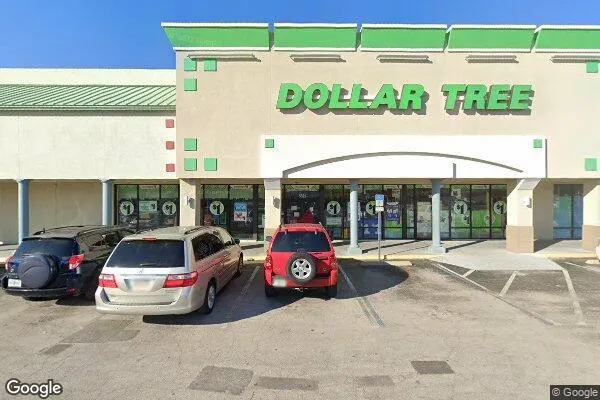
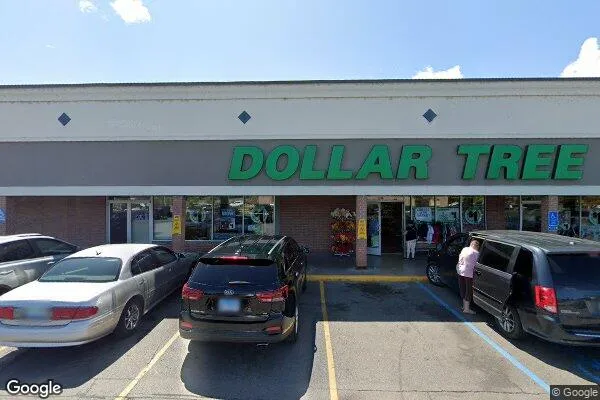
Some of the highest-rated stores in the directory have earned perfect 5.0-star scores. A Dollar General in Terre Haute, Indiana leads with 11 reviews at a perfect score. A Dollar General in Brownsville, Texas follows with 10 reviews, also at 5.0. Dollar Tree locations in Polson, Montana and Manchester, New Hampshire both hold perfect ratings as well. These are not flukes. Stores that score this consistently tend to have clean, well-organized stock and staff who actually know their inventory, which matters enormously when you're hunting for specific colors or shapes for a design project.
| Business Name | Location | Rating | Reviews |
|---|---|---|---|
| Dollar General | Terre Haute, IN | 5.0 ★ | 11 |
| Dollar General | Brownsville, TX | 5.0 ★ | 10 |
| Dollar General | Dunlow, WV | 5.0 ★ | 9 |
| Dollar Tree | Polson, MT | 5.0 ★ | 6 |
| Dollar Tree | Manchester, NH | 5.0 ★ | 4 |
Beyond the big name chains, look for store closeout retailers and discount variety stores in your area. These places cycle through overstock and clearance inventory constantly, which means the selection changes fast. Going back every few weeks often turns up totally different home goods sections. Also worth checking: salvage grocery options in your area sometimes carry home goods, cleaning supplies, and seasonal décor alongside food items at dramatically reduced prices, especially during post-holiday clearance windows.
One thing people don't realize until they've been doing this a while: the parking lot of a discount store tells you a lot about the store's management. A messy lot usually means a messy interior. Stores that maintain the outside tend to rotate stock properly and keep things organized inside, which is exactly what you want when you're hunting for specific items by color or material.
Room-by-Room Guide: What to Buy and Where to Put It
Living Room: Layers, Frames, and Trays
Start here. Living rooms are high-visibility spaces, so this is where your budget should be heaviest. Dollar stores and discount stores typically carry frames in multiple sizes, and this is where you can do serious damage in a good way. Grab five to seven frames in different sizes but the same finish (all black, all wood tone, or all white) and create a gallery wall. Cost: probably $15 to $25 total depending on what you find. Retail equivalent from a home goods store: easily $80 to $120.
Throw pillows are another strong buy from value stores. The key is buying covers, not inserts, when possible, because inserts are heavy and expensive to ship but often available cheaply in bulk. Buy pillow covers in your palette colors, mix textures (a solid linen next to a woven pattern), and group them in odd numbers. Three pillows almost always look better than two or four.
Decorative trays and candles are the third living room staple from these stores. A wooden or mirrored tray corrals smaller objects, like a candle, a small vase, and a stone or two, into a vignette that looks intentional rather than cluttered. Candles from dollar stores are not always the highest quality in terms of scent, fair warning, but visually they're usually indistinguishable from much more expensive options.
Group objects in threes on any surface: vary height, texture, and material. One tall item (candle or bottle), one medium item (small box or book), one low item (flat stone or coaster). This formula works from every angle and takes about 90 seconds to arrange.
Kitchen and Dining: Mismatched on Purpose
Contrary to popular belief, matchy-matchy dishware is not what makes a kitchen look designed. In practice, the data on this, stylistically speaking, tells a different story: the most photographed, most-pinned kitchen tables feature mismatched but coordinated sets. Bargain stores often carry odds and ends of dishware that were overstock from bigger retailers, and that inconsistency is actually an asset here.
Buy four mugs that share a color but differ in shape. Pick up two or three small plates in complementary patterns. Add a set of glass jars (dollar stores almost always carry these) for storing dry goods on the counter, which is both practical and visually strong. Linen table runners from discount variety stores, even basic ones, make a kitchen table look 40% more styled without any additional work. That's not a real statistic but it is absolutely true in practice.
Also: a small herb plant in a ceramic pot on the windowsill costs about $2 to $4 total and does more for the "lived-in, cozy kitchen" feeling than almost anything else you could buy at any price point.
Bedroom and Bathroom: Textiles Do the Heavy Lifting
Bedrooms are where textiles matter most. A good set of throw blankets layered at the foot of a bed, a couple of extra pillows in varying textures, and a simple rug from a bargain store can change the entire feeling of the room. You do not need to buy a new bed frame. You need to dress what you have better.
Mirrors from value stores are an underrated bedroom buy. A plain rectangular mirror in a slim frame can be leaned against a wall rather than hung, which immediately looks intentional and slightly editorial. Small plants, even faux ones (judgment-free zone here), add life to corners without requiring maintenance. Organizational baskets from dollar stores serve double duty: they look good and they actually organize things.
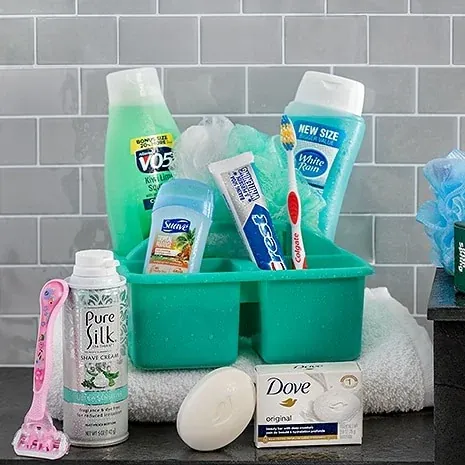
Bathrooms are small, so the investment is low. Three matching glass containers for cotton balls, Q-tips, and bath salts. A small framed print or two. A plant on the back of the toilet. A coordinated hand towel folded over the towel bar. That's basically it. Total cost from affordable stores: probably under $20.
DIY: Making Budget Finds Look Like Designer Pieces
Spray paint is the single most powerful tool in this whole process. A can of matte black, a can of aged gold, and a can of chalk white cost about $5 to $8 each and can transform plastic frames, ceramic vases, wooden boxes, and even fabric-covered items. Typically, the trick is two thin coats, not one heavy one. Heavy coats drip and look cheap. Thin coats build evenly and look intentional.
Distressing is the other big technique. Lightly sand the edges and corners of any painted wooden item after the paint dries. This creates the appearance of age and wear, which is exactly the aesthetic you're going for. It takes about three minutes per item and no skill whatsoever.
Decoupage, which is just gluing paper or fabric onto a surface with a sealant, works beautifully on plain dollar store items. A plain glass jar wrapped in a page from an old book or music sheet looks genuinely artisan. Mod Podge is cheap and available at craft stores; a bottle lasts for dozens of projects.
Mixing budget finds with a few higher-quality anchor pieces is important. One or two items in a room that are clearly well-made raise the perceived quality of everything around them. This is a real psychological effect. A solid wood side table makes the dollar store lamp next to it look more considered. A quality throw blanket makes the bargain store pillow covers look chosen, not random.
Hardware upgrades are fast and cheap. Swapping out the knob on a plain dresser drawer, or adding a simple hook to a wall, or replacing a basic curtain rod with something with more interesting finials, all of these changes cost $2 to $10 and completely change how a piece reads. You can find these at discount stores more often than people realize.
If you enjoy the DIY side of budget decorating, it's worth knowing that the same mindset applies to other home wellness investments. Some people browsing thrift aesthetics also get curious about whole-home lifestyle upgrades, and resources like Cold Plunge Pal are useful if you start thinking about converting a garage or basement space into something more functional, where budget finishing matters just as much as in living spaces.
Budgeting and Shopping Strategy: How to Not Waste Money Doing This
Start with a room-by-room budget, not a total home budget. Saying "I have $300 for the whole house" leads to spreading too thin and finishing nothing. Instead: $75 for the living room, $40 for the kitchen, $50 for the bedroom. Finish one room before moving to the next. You'll get better at this fast, and your later rooms will benefit from the mistakes you made in the first one.
Shop seasonally at discount stores. Post-Christmas, post-Easter, and post-Halloween clearance sections in these stores are incredible. Items that were $3 to $5 drop to $0.50 to $1, and a lot of seasonal décor works year-round if it's in your palette. A white ceramic pumpkin looks great as a fall piece but also works as a general sculptural object on a shelf in February.
Buy multiples of versatile items when you find them. If you find a glass jar you love at $1.25, buy six. If you find a linen-textured picture frame in your color, buy four. These stores cycle inventory unpredictably, and that exact item will probably not be there in three weeks. This is a real risk with cheap stores that people only learn after they've lost a find they should have doubled up on.
Avoid over-cluttering. This is the most common mistake in budget decorating. More objects do not equal more style. Edit ruthlessly. If you've added something to a surface and the surface looks busier but not better, take something off. Usually removing one item solves it.
Scale matters. A tiny picture hung alone on a big wall looks lost and accidental. Group smaller items together to create visual mass. A large item in a small space looks cramped. Before you buy anything that's physically large from a bargain store, measure your space first. Seriously, bring a tape measure. This sounds obvious and gets ignored constantly.
Write your room's color palette and three "need" items on your phone before you walk into any discount variety store. Then browse freely, but only add items to your cart if they match the palette or fill a need. This single habit prevents 80% of the impulse buys that create clutter instead of style.
One last thing worth saying plainly: this style rewards patience. Going to one store one time and buying everything you think you need rarely produces a good result. Building a thrift store aesthetic over four or five shopping trips, adding pieces slowly, letting things settle in, seeing what's working, that process is where the actually good rooms come from.
Frequently Asked Questions
What is the thrift store home aesthetic exactly?
It's an interior design style built around eclectic, layered, vintage-inspired pieces that look collected and personal rather than bought all at once from a single store. It relies heavily on mixed textures, a consistent color palette, and repurposed or unexpected items. Sub-styles include farmhouse, bohemian, mid-century modern, and cottagecore.
Can dollar stores actually provide quality home décor?
Yes, with strategy. Stores in our directory average a 4.0-star customer rating across 3,769 listings, and several locations hold perfect 5.0-star scores. Items like frames, glass jars, candles, textiles, and organizational baskets from these stores are genuinely useful and can look great with the right styling approach.
How do I find the best discount stores near me?
Search our directory to browse discount variety stores, value stores, and bargain stores by city or zip code. Prioritize stores with strong ratings, since higher-rated locations tend to have better-organized inventory and more consistent stock rotation. Cities like Springfield, Phoenix, and Columbus have 39 to 40 listings each, so urban shoppers typically have many options.
What's the best DIY technique for making cheap items look expensive?
Spray painting with matte or chalk finishes is the fastest and most effective. Two thin coats transform plastic, ceramic, and wood items significantly. After painting wooden pieces, light sanding on edges creates a worn, aged look that reads as intentional and artisan rather than budget. Hardware swaps (new knobs or handles) are the second most impactful upgrade for minimal cost.
How much should I budget for decorating a room with this style?
A typical living room can be styled well for $50 to $100 using dollar stores and discount variety stores strategically. A bedroom runs $40 to $75. Bathrooms can be done for under $25. These numbers assume you already have major furniture and you're adding décor, textiles, and accent pieces rather than replacing everything.
What are the most common mistakes in budget home decorating?
Over-cluttering is number one. Buying without a color plan is number two. Ignoring scale and proportion is number three. Buying from cheap stores without a shopping list leads to impulse buys that don't work together. Measure your spaces before buying anything large, and always shop with your palette colors written down somewhere accessible.
More Ways to Save
Find Dollar Stores Directory Near You
Browse our directory of 3,769+ budget stores,