Dollar Store vs Grocery Outlet: Which Saves You More on Everyday Essentials
You're standing in the checkout line at your usual grocery store, watching the total climb past $80 for what feels like half a cart. You think, there has to be a better way. A friend swears by Grocery Outlet. Your neighbor won't stop talking about how she bought 12 rolls of paper towels at Dollar Tree for practically nothing. Both can't be right. Or can they?

This isn't a simple answer. Dollar stores, discount stores, and bargain stores all promise savings, but they're not the same thing, and treating them like they are is one of the most common mistakes budget shoppers make. Grocery Outlet is a specific chain built around opportunistic buying of surplus name-brand groceries. Dollar stores, on the other hand, are wide-net discount variety stores that stock everything from dish soap to birthday candles to off-brand crackers. Both have real value. Both have real blind spots. Knowing which one to walk into, and when, is where the actual savings happen.
This article breaks down the two store types across price, product quality, availability, and specific shopping scenarios. By the end, you'll know exactly where to send your grocery dollars depending on what's on your list.
Understanding Each Store: Business Models and What They Sell

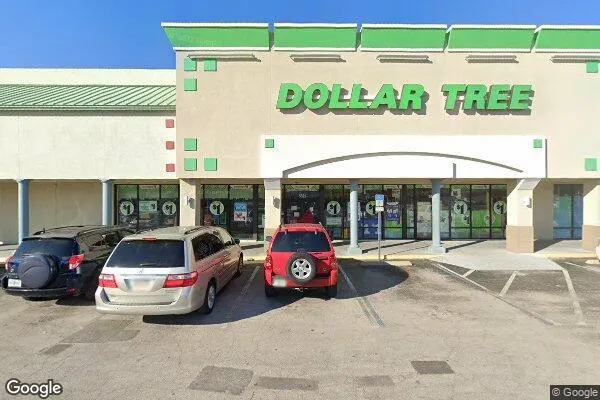
Dollar stores operate on a simple idea: buy cheap, sell cheap. They source overstock merchandise, closeout products, and off-brand goods that manufacturers need to move fast. That's why you'll find a name-brand shampoo sitting next to a bottle from a brand you've never heard of, priced at $1.25 each. They keep their price points low, mostly in the $1 to $5 range, by accepting whatever inventory they can get at a discount and supplementing with house brands made to their specs. It's not glamorous, but it works.
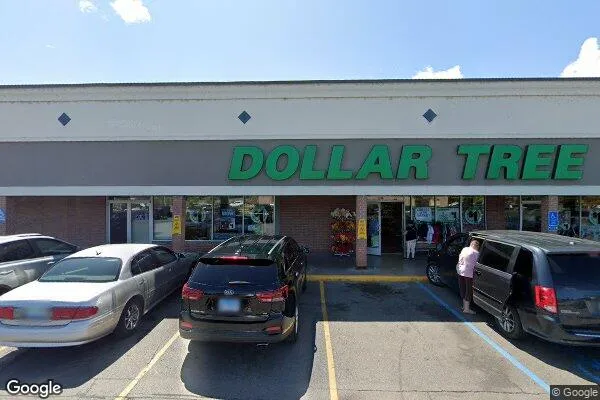
Dollar General, Dollar Tree, and Family Dollar are the big players here. Walk into any of them and you're looking at cleaning supplies, paper products, snacks, seasonal stuff, personal care items, and a small food section that's heavy on shelf-stable goods. What you will not usually find is a real fresh produce section, quality refrigerated items, or the name-brand cereal your kids actually want.
Grocery Outlet is a different animal entirely. They buy surplus inventory, discontinued products, and overstock directly from major food brands. Think Kellogg's, Kraft, Tillamook, and similar names you'd see at any regular supermarket, but at 30 to 70 percent off. Their stock rotates constantly because they're buying opportunistically. You might find your favorite pasta sauce three weeks in a row and then never see it again. That unpredictability is the trade-off for the savings.
And here's what nobody tells you about that trade-off: Grocery Outlet actually has a real grocery store inside it. Fresh produce, dairy, meat, frozen foods. It feels like a normal supermarket that just happens to have wild prices on random things. Dollar stores do not compete here. Comparing them on grocery items directly is almost unfair.
So right out of the gate, the stores are doing different things. Dollar stores are value stores built around variety and convenience at low prices. Grocery Outlet is a bargain grocery store built around brand-name food at steep discounts. That distinction shapes everything else in this comparison.
Price Comparison: Category-by-Category Breakdown
Let's get into specifics, because vague claims about "great savings" are useless. You need to know where each store actually wins.
Cleaning supplies and paper products. Dollar stores win here, and it's not particularly close. A four-pack of paper towels at Dollar Tree for $1.25 is nearly impossible to beat on sticker price. Yes, the sheets are thinner and the roll is smaller, but for basic cleanup tasks it gets the job done. Dish soap, sponges, toilet bowl cleaner, glass spray, dollar stores and discount variety stores consistently price these below what you'd pay at Walmart, let alone a regular grocery store. Grocery Outlet carries cleaning products sometimes, but it's hit-or-miss. You cannot build a reliable cleaning supply routine around Grocery Outlet's inventory.
Canned goods and pantry staples. This is where things get interesting. Grocery Outlet regularly stocks brand-name canned beans, tomatoes, soups, and pasta sauces at prices that match or beat dollar stores, and you're getting the actual brand. A can of Progresso soup that retails for $2.50 might be $1.29 at Grocery Outlet. Dollar stores will have their own version for $1.00 or $1.25, but it's an off-brand. If brand quality matters to you at all, Grocery Outlet wins this category pretty clearly.
Snacks and beverages. Split decision. Dollar stores carry chips, cookies, candy, and drinks constantly and cheaply. But Grocery Outlet will periodically have a serious deal, a six-pack of a craft soda for $2.99, or a bag of name-brand trail mix that normally costs $7 sitting on the shelf for $3.49. You just can't predict when those deals show up.
Here's the price-per-unit problem that trips people up constantly. A bottle of shampoo at a dollar store might be $1.25, which sounds amazing. But if it's 6 ounces, you're paying about $0.21 per ounce. A 20-ounce bottle of the same brand at Grocery Outlet for $3.99 works out to $0.20 per ounce. The dollar store price looks better. It isn't. This happens all the time with paper towels, dish soap, laundry detergent, and bottled water. Always flip the product over and check the unit count or volume before assuming the cheap stores have the better deal.
Frozen foods deserve their own mention. Dollar stores have expanded their freezer sections in recent years, but the quality is mostly mediocre and the selection is thin. Grocery Outlet's frozen section can be genuinely excellent, frozen seafood, name-brand ice cream, quality frozen vegetables at prices well below retail. If frozen food is a regular part of your grocery list, Grocery Outlet wins this category by a wide margin.
Before you grab that "cheap" product off the shelf, divide the price by the quantity, weight, or number of units. A $1.25 item is not always a better deal than a $3.99 item. Do the math for cleaning supplies, paper products, and personal care items especially, that's where the sticker price most often misleads you.
Store Availability and Accessibility: Where Can You Actually Shop?
Availability matters a lot more than people admit. The best deal in the world doesn't help if there's no store within a reasonable drive.
Dollar stores and discount variety stores are everywhere. Our directory lists 3,548 businesses across major cities nationwide, which tells you something real about how saturated the market is. These places show up in rural towns, mid-sized cities, and major metro areas alike. Springfield leads our directory with 40 listings, followed closely by Columbus with 39, then Wilmington at 34, Jackson with 29, and Charleston rounding out the top five at 28 listings. That spread across cities of very different sizes shows these stores aren't just a big-city thing. If you're searching for where to find dollar stores near me, chances are good there's one within a few miles regardless of where you live.
Grocery Outlet is a different story. They operate primarily in the western United States, with California, Oregon, Washington, Idaho, and Nevada being their strongest markets. They've expanded into some mid-Atlantic states, but large parts of the country simply do not have a Grocery Outlet within a reasonable distance. If you live in the Southeast, the Midwest, or most of the Northeast, this comparison might be somewhat academic for you, at least until they expand further.
If you're in an area without a Grocery Outlet, the good news is there are other salvage grocery options that operate on a similar model. You can check out salvage grocery options in your area through dedicated directories that track these kinds of bargain grocery stores, they're more common than most people realize, and a lot of shoppers never think to look.
One thing worth mentioning about dollar stores specifically: the parking lots are often tiny and chaotic. I don't know why this is so consistent, but walk into almost any Dollar General in a strip mall and you'll fight for a spot between a delivery truck and someone's cart left in the middle of the row. Minor annoyance, but worth knowing if you're planning a big stock-up trip.
Product Quality and Shopper Satisfaction
People have strong opinions about bargain stores. Usually those opinions are formed by one bad experience with a product that fell apart or tasted weird, and then they write off the whole store type forever. That's not quite fair.
Across the 3,548 discount and dollar store businesses listed in our directory, the average customer rating sits at 4.0 stars. That's actually solid. For context, that's the same average you'd expect from a mid-range restaurant or a hotel with decent reviews. Shoppers are, broadly speaking, satisfied with what they're getting from these value stores.
In practice, the top-rated individual locations make that even clearer. Dollar General in Terre Haute, Indiana holds a 5.0-star rating across 11 reviews. Dollar General in Brownsville, Texas has a perfect 5.0 from 10 customers. Dollar General in Dunlow, West Virginia is 5.0 from 9 reviews. Dollar Tree in Polson, Montana and Dollar Tree in Manchester, New Hampshire both carry 5.0 ratings as well. These aren't flukes. Consistently excellent service and clean, well-stocked stores drive those ratings.
| Business Name | Location | Rating | Reviews |
|---|---|---|---|
| Dollar General | Terre Haute, IN | 5.0 ★ | 11 |
| Dollar General | Brownsville, TX | 5.0 ★ | 10 |
| Dollar General | Dunlow, WV | 5.0 ★ | 9 |
| Dollar Tree | Polson, MT | 5.0 ★ | 6 |
| Dollar Tree | Manchester, NH | 5.0 ★ | 4 |
Quality concerns at dollar stores are real but often overstated. Off-brand cleaning products are usually fine. Off-brand food is more variable. Some of it is perfectly decent; some of it tastes like cardboard. Typically, the smarter approach is to buy non-food essentials at dollar stores without much worry, and be more selective about food items. Check expiration dates on everything, especially in the pantry section. Some of those shelf-stable items have been sitting a while.
Grocery Outlet's quality concerns are different. Because they're selling name brands, you usually know what you're getting in terms of taste and performance. As a rule, the main question is freshness. Check the sell-by dates on dairy, meat, and refrigerated products. Most of the time they're fine, but you want to look. Products land at Grocery Outlet because they're near end of shelf life or the brand overproduced, not because something is wrong with them, but checking doesn't hurt.
Best Use Cases: When to Shop Where
Stop trying to do all your shopping at one type of store. That's the actual mistake most budget shoppers make.
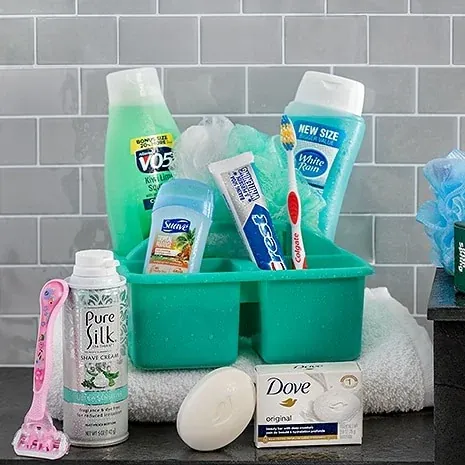
Dollar stores and discount variety stores are best for: cleaning supplies (dish soap, sponges, all-purpose spray, toilet cleaner), paper products (paper towels, napkins, tissues), personal care basics (toothbrushes, shampoo for the gym bag, travel-size toiletries), party supplies, seasonal decorations, gift wrap and cards, and basic pantry items like salt, sugar, baking soda, and cooking spray. You can stock up on all of these confidently and cheaply. This is where the format absolutely earns its reputation as a cheap store that actually delivers.
These places also shine for what I'd call "who cares about the brand" categories. If you're buying trash bags, plastic wrap, aluminum foil, or dish scrubbers, you do not need a name brand. Buy it at a dollar store and move on.
Grocery Outlet is best for: your weekly grocery run if you have one nearby, name-brand pantry staples (pasta, canned goods, sauces, cereals), fresh produce and meat when the deals are good, frozen foods, and snacks where the brand actually matters to your household. If your family is loyal to specific brands and you're trying to cut the grocery bill without switching everything to generics, Grocery Outlet is genuinely one of the best tools available.
Do a monthly dollar store run for household non-food essentials: cleaning products, paper goods, personal care items, and party/seasonal supplies. Then do your regular grocery shopping at Grocery Outlet if one is near you, or use a combination of a regular supermarket and whatever salvage grocery options are in your area. This two-store approach routinely saves families $50 to $100 a month without much effort.
One scenario where dollar stores surprise people: small-batch food supplies. Need a single can of chicken broth for a recipe? One bottle of hot sauce? A box of pasta for tonight? Going to a dollar store for these one-off items beats paying full price at a grocery store for a larger size you won't finish. Not a glamorous insight, but genuinely useful.
And if you want to go deeper on the salvage grocery world, stores that operate on a similar closeout model to Grocery Outlet but in different regions, it's worth browsing a dedicated salvage grocery directory to see what's actually operating near you. A lot of independent bargain grocery stores don't get the marketing that Grocery Outlet does, but they can be just as good.
So Which One Actually Saves You More?
Depends entirely on your shopping list.
For household non-food essentials, dollar stores win. For name-brand groceries, fresh food, and frozen items, Grocery Outlet wins, when it's accessible to you. For pure price-per-unit on bulk staples, you need to do the math every time instead of assuming.
For most shoppers, the version of this question that actually matters is not "which store is better" but "which store should I go to today, for this specific list." Dollar stores are consistent, predictable, and everywhere. Grocery Outlet is better for grocery value but geographically limited and inventory-unpredictable. Both beat paying full retail prices at a regular supermarket for most of what they carry.
Honestly, if I had to pick just one for a household on a tight budget with no Grocery Outlet nearby, dollar stores are the safer bet. They're accessible, they're reliable, and for the categories that matter most to a tight budget, cleaning, paper, personal care, basics, they genuinely deliver. But if Grocery Outlet is in your city, you'd be leaving real money on the table by ignoring it for your grocery runs.
Use them both. Stop being loyal to stores.
Frequently Asked Questions
Are dollar stores actually cheaper than regular grocery stores?
For non-food household essentials like cleaning supplies, paper products, and personal care items, yes, dollar stores are usually cheaper than regular grocery stores. For food items, it's more complicated. Off-brand canned goods at dollar stores are often cheaper by sticker price, but check the unit size. A regular grocery store running a sale on name-brand products can sometimes match or beat a dollar store price on food.
Does Grocery Outlet have stores in every state?
No. Grocery Outlet is concentrated primarily in western states including California, Oregon, Washington, Idaho, and Nevada, with some expansion into Pennsylvania, Maryland, New Jersey, and a few other states. Large portions of the South, Midwest, and Northeast do not have Grocery Outlet locations yet. Check their store locator for current availability in your area.
Are products at dollar stores expired or low quality?
Not necessarily. Most dollar store products are perfectly fine. Off-brand cleaning and personal care items generally perform comparably to name brands for basic tasks. For food items, always check expiration dates, especially on shelf-stable products that may have been in inventory a while. Quality varies more on food than on non-food items.
What is the best strategy for saving money using both stores?
Buy all your household non-food essentials at dollar stores: cleaning products, paper goods, personal care basics, party supplies, and seasonal items. Use Grocery Outlet (or a similar salvage grocery store) for your actual grocery shopping if you have one accessible. This two-store approach consistently delivers the most savings across a full household shopping budget.
How do I find discount variety stores near me?
Our directory lists 3,548 dollar and discount variety store locations across the country, including major markets and smaller cities. Springfield, Columbus, Wilmington, Jackson, and Charleston all have strong concentrations of listings. Search by city or zip code to find affordable stores near you, or browse by store type to compare options in your area.
More Ways to Save
Find Dollar Stores Directory Near You
Browse our directory of 3,548+ dollar stores, discount stores, and bargain stores across the country. Find the best value stores in your city, read customer reviews, and discover deals near you.
Search the Directory