Discovering Value: An In-Depth Guide to Affordable Stores and More
Why Affordable Stores Are Having a Moment (And How to Find the Best Ones Near You)
Picture this: you walk into a bright, slightly chaotic store on a Tuesday afternoon, cart in hand, and walk out forty minutes later with cleaning supplies, a birthday card, some snacks, and a set of picture frames, all for under thirty dollars. That feeling of stretching a dollar further than you thought possible is exactly why millions of Americans are making dollar stores, discount stores, and thrift stores a regular part of their weekly routine. This guide is going to walk you through everything you need to know about value retail, from the different types of stores and what each one actually offers, to how to find the best options in your city using directory tools and smart search habits.
Value-based shopping is not a niche thing anymore. It's mainstream. Inflation has pushed more people into bargain stores and discount variety stores who never would have thought twice about full-price retail before. And here's what's interesting: a lot of those people aren't going back. Once you realize you can get quality household goods, seasonal decorations, snacks, and personal care products for a fraction of what the big box chains charge, it's genuinely hard to justify paying more. Our directory currently lists 2,513 businesses across multiple cities, with an average customer rating of 4.0 stars, which tells you something important about how well these stores are actually serving people.
Breaking Down the Types of Affordable Stores: They're Not All the Same
Most people lump all cheap stores together, and honestly, that's understandable. From the outside, a dollar store and a thrift store might seem like variations on the same idea. But they are actually pretty different animals, and knowing which type of store does what will save you time and help you get more out of each trip.
Dollar Stores: Fixed Price Points and Familiar Products
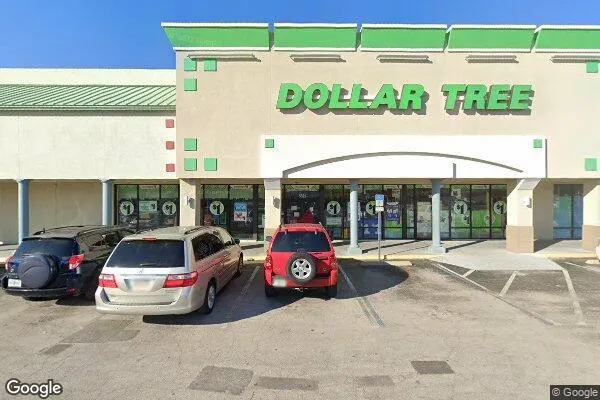
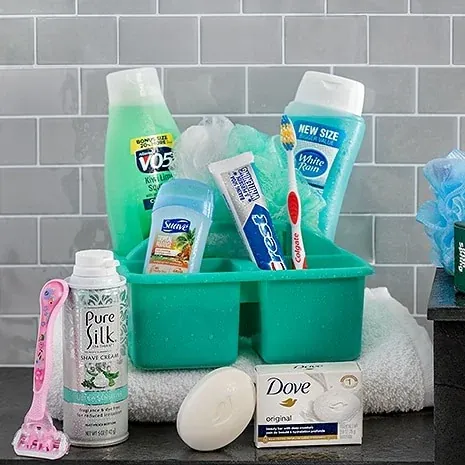
Dollar stores are the most recognizable format in value retail. Traditionally, everything in these places was priced at exactly one dollar, though that model has shifted over the years as supply chain costs changed. Today, most dollar stores carry products in a range from a dollar up to around five or ten dollars, depending on the chain. You'll find cleaning products, food items, seasonal goods, party supplies, basic clothing accessories, and personal care items. Lots of name brands, actually, in smaller package sizes. That's the trick a lot of shoppers don't realize at first: the unit price on a smaller bottle of shampoo at a dollar store can be higher than buying the full-size version elsewhere, so it pays to do the math sometimes.
These stores work best for people who need things quickly and cheaply without overthinking it. A roll of tape, a birthday candle, some aluminum foil, dollar stores are unbeatable for that kind of grab-and-go shopping.
Discount Stores: More Products, Broader Prices
Discount stores are a step up in scale. They carry general merchandise across many categories but sell everything below typical retail prices. Think of them as the stores that got the slightly overproduced or off-season inventory from other retailers. You can find clothing, kitchen gadgets, electronics accessories, toys, and home goods all in one place. Prices vary more than at a dollar store, but the deals can be genuinely impressive, especially on brand-name items. These stores reward patient shoppers because the inventory rotates constantly.
Walking into one for the first time can feel a little overwhelming. Shelves are packed dense, signage is everywhere, and there's a certain organized-chaos energy that's actually part of the appeal. Once you get used to it, you start looking forward to what might be there this week that wasn't last week.
Bargain Stores and Store Closeouts: The Treasure Hunt Format
Bargain stores are where things get really interesting. These places sell closeout goods, overstock merchandise, discontinued products, and items from store liquidations. The inventory is wildly unpredictable. One week you might find a high-end kitchen appliance at seventy percent off, and the next week the shelves are full of obscure imported snacks. That unpredictability is part of the draw. Store closeouts in particular can yield some genuinely excellent finds, products that were perfectly good but just got phased out by a larger retailer making room for new stock.
Not everyone loves this format. If you need something specific on a schedule, bargain stores are going to frustrate you. But if you've got flexibility and a sense of adventure, they're hard to beat.
Thrift Stores: Secondhand Goods with Real Character
Thrift stores operate on a completely different model. They sell donated or secondhand goods, usually at very low prices, and many are operated by nonprofit organizations. You'll find clothing, furniture, books, housewares, and sometimes genuinely rare collectibles mixed in with the everyday stuff. The experience of walking into a well-stocked thrift store is unlike anything else in retail. It smells like a mix of old books and laundry detergent, the lighting is usually a little harsh, and every aisle feels like a dig through someone else's interesting life. Some people find that off-putting. A lot of people find it completely addictive.
Thrift stores are especially good for home decoration on a budget, building a wardrobe cheaply, and finding unique gifts. They're also the most environmentally friendly option in value retail by a wide margin.
Discount Variety Stores: The Everything Store at Low Prices
Discount variety stores are sort of the hybrid of the group. They carry an enormous range of product categories, from food to cleaning supplies to toys to hardware, all at prices well below standard retail. These stores feel more polished than a typical bargain store but more affordable than a mainstream retailer. They're great for families doing a full household stock-up on a budget because you can genuinely get almost everything you need in one trip.

If you need something specific today, go to a dollar store or discount variety store. If you're hunting for deals on a specific category like clothing or home goods, try a thrift store or discount store first. Save bargain stores and store closeout shops for when you've got time to browse without a mission.
The Real Reason Discount Shopping Has Exploded in America
Affordable stores didn't get popular because of clever marketing. They got popular because people needed them.
Inflation hit American households hard starting in 2021 and hasn't fully let go. Grocery bills went up, rent went up, gas went up, and for millions of families, the math just stopped working the way it used to. Value stores stepped into that gap in a major way. Dollar store chains alone have opened thousands of new locations over the past several years, with some industry analysts projecting continued growth well into the late 2020s. Independent discount retailers and liquidation stores have also expanded to fill demand that big-box chains weren't meeting in smaller or mid-sized communities.
But here's what actually surprised a lot of retail analysts: it wasn't just lower-income households driving this growth. Middle-income and even higher-income consumers started shopping at discount and bargain stores more regularly during the inflationary period, and surveys have consistently shown that a big chunk of them kept doing it even when their financial pressure eased. Once you find out that the same brand of paper towels is available at a discount variety store for forty percent less, you don't really go back to paying full price for it. Brand loyalty has genuinely weakened across income levels as more people figure out that "value store" doesn't mean lower quality.
There's also something cultural happening here. Thrift flipping became a popular hobby, especially among younger consumers, where people buy secondhand goods cheaply and either resell them or repurpose them. That brought a whole new wave of shoppers into thrift stores who would never have gone in otherwise. Discount shopping, in general, lost whatever social stigma it might have carried in earlier decades. People share their hauls on social media now. Scoring a good deal is something to be proud of.
And it's not just individual shoppers feeling the pull. Communities that lack full-service grocery stores or major retailers, sometimes called food deserts or retail deserts, often have dollar stores and discount stores as genuinely essential infrastructure. In those areas, these aren't just convenient, they're necessary. Speaking of which, if you're looking for affordable food options beyond what dollar stores carry, salvage grocery stores are worth exploring as a complementary option for discounted and overstock food products.
What the Numbers Actually Tell Us: Directory Data on Affordable Shopping
Raw numbers tell a story, if you know how to read them.
Our directory lists 2,513 businesses in the dollar stores and discount retail category. That's a lot of stores. What that number tells you is that this is not a niche market with a handful of players scattered across the country, it's a dense, active sector of retail with options in cities of all sizes. Even mid-sized communities have multiple discount stores and bargain stores competing for customers, which is ultimately good for shoppers because competition tends to keep quality up and prices down.
In practice, the average customer rating across all 2,513 listings is 4.0 stars. Some people might look at that and think "just average," but in retail, a 4.0 aggregate across thousands of locations is actually a meaningful benchmark. It means that on balance, customers are leaving these stores satisfied, not frustrated. That matters when we're talking about a category that sometimes gets dismissed as low-quality or unreliable.
Top Cities by Number of Listings
Greenville leads the directory with 22 listings, followed closely by Lexington, Orlando, and Norfolk, each with 21 listings. What's interesting about this group is that it spans different types of metro areas. Orlando is a large city with a massive tourist economy and a dense residential population. Greenville and Lexington are mid-sized cities in the Southeast and Mid-Atlantic, and Norfolk is a coastal military and port city with its own unique economic profile. Typically, the fact that all four have roughly the same density of affordable store listings suggests that the demand for value retail is consistent across very different community types, not just concentrated in the largest urban markets.
This should actually encourage shoppers in smaller cities. If places like Greenville and Lexington have 21 or 22 listings each, your mid-sized or even smaller community likely has more options than you think. Most people only know the big chains in their area, but our directory regularly surfaces local independent discount stores and bargain shops that don't have massive advertising budgets and therefore fly under the radar.
Top-Rated Businesses in the Directory
Several businesses in the directory have earned perfect 5.0 ratings with substantial review counts, which is worth highlighting because it shows what's possible in value retail at the local level.
| Business Type | Location | Rating | Number of Reviews |
|---|---|---|---|
| Retail Florist | Kansas, KS | 5.0 ★ | 333 reviews |
| Food Delivery | New York, IA | 5.0 ★ | 180 reviews |
| Novelties | Pennsylvania Furnace, PA | 5.0 ★ | 133 reviews |
| Retail Florist | Illinois City, IL | 5.0 ★ | 53 reviews |
| Novelties | Indiana, PA | 5.0 ★ | 21 reviews |
A novelty shop in Pennsylvania Furnace, PA pulling 133 reviews at a perfect 5.0 is genuinely impressive, that's a store that has built real community loyalty, not just passing traffic. And honestly, novelty shops that operate in the bargain and discount space tend to carry the most interesting inventory: weird imported candies, quirky gifts, unusual household gadgets that you'd never find at a mainstream retailer. You have to check out stores like this when you find them in your area because they tend to be one-of-a-kind.
A 5.0 rating with 100+ reviews at an affordable store is a strong signal. These aren't places getting pity stars, shoppers in this category are usually pretty direct in their reviews. If a discount or bargain store is holding a near-perfect average over many reviews, the staff is probably excellent, the inventory is reliably good, and the prices are genuinely competitive. Those three things together are rare. Prioritize those listings when you search.
How to Actually Find Good Affordable Stores Near You
Knowing that 2,513 businesses are listed in a directory is useful. Knowing how to find the right three or four for your specific needs is what actually changes your shopping habits.
Start With a Directory Search, Not Just Google
General search engines are okay for finding the nearest big chain dollar store. But if you want to find independent discount stores, bargain stores, and local thrift stores that don't have millions of dollars in SEO budgets, a dedicated business directory is going to give you better results. Searching something like "where to find dollar stores near me" in a general search engine will mostly surface national chains. A directory search in your zip code will often reveal smaller, locally-owned stores that have been operating quietly in your community for years with excellent ratings and no online presence to speak of beyond their directory listing.
Use the filter and category tools available in directory searches. If you specifically need thrift stores, filter for that. If you're hunting store closeouts and overstock deals, look for bargain store listings or discount store listings with notes about clearance events. Don't just search broadly and then scroll through hundreds of results, narrow it down by what you actually need that week.
Read the Reviews Carefully, Not Just the Star Count
A 4.0 overall rating means something, but the text of recent reviews tells you much more. Look for mentions of specific things: inventory variety, cleanliness, staff helpfulness, pricing consistency, and how often stock is refreshed. Reviews that say "always something new" are a green flag for discount variety stores and bargain stores, where rotation is a big part of the value. Reviews that complain about empty shelves or expired products are a red flag worth heeding.
Also pay attention to how recent the reviews are. A store that had great reviews two years ago but nothing since might have changed ownership or declined in quality. Fresh reviews, even a handful of them, are often more useful than a high star count built on old feedback.
Think About What You're Actually Shopping For
This sounds obvious but people get it wrong all the time. If you need cleaning supplies and pantry staples on a regular basis, a discount variety store close to your house is worth the effort of finding once. If you're trying to outfit a new apartment on a tight budget, a thrift store run over two or three weekends is going to get you further than a single trip to any other format. If you stumble across a store closeout event near you, that's the time to stock up on specific categories you were going to buy anyway, not to impulse-buy things you don't need just because they're cheap.
Bargain stores, specifically, reward people who have a loose shopping list and patience. Go in knowing roughly what categories you want, maybe kitchen stuff, or clothes for the kids, or home decor, and then see what's there. Going in with a rigid specific list will usually lead to disappointment because the inventory is whatever it happens to be.
Check Hours and Confirm Location Before You Drive
Small independent discount stores and thrift stores sometimes have unusual hours, especially if they're understaffed or owner-operated. Confirm hours through the directory listing or call ahead before making a special trip. A few of these places are closed on Sundays, some close early on weekdays, and occasionally a store that's listed online has moved or changed its hours since the listing was updated. Takes thirty seconds and saves real frustration.
Parking is worth mentioning too. Smaller affordable stores in older commercial strips often have awkward or limited parking. If you're driving an SUV or truck, scout the lot before committing to a tight parallel spot on a busy street. It sounds minor but it genuinely affects whether people go back to a store or not.
If you're using dollar stores and discount stores to cut your food budget, consider pairing that strategy with salvage grocery stores, which specialize in surplus and discounted food products. As a rule, the two approaches together can meaningfully reduce your monthly grocery spend without sacrificing variety.
Build a Rotation, Not a Loyalty
For most shoppers, the shoppers who get the most out of value retail don't have one favorite store. They have a rotation. Maybe it's a discount variety store for weekly household staples, a thrift store run every few weeks for clothing and home items, and an occasional detour to a bargain store when they have time to browse. Building that kind of flexible, rotating approach gets you consistently better deals than staying loyal to any single format or location.
That's the real strategy. Not one perfect store, but a small collection of reliable ones that serve different purposes.
Frequently Asked Questions About Affordable Stores
What is the difference between a dollar store and a discount store?
Dollar stores traditionally sell items at a fixed low price point (originally one dollar, now often ranging up to five dollars or more). Discount stores, on the other hand, carry a broader range of merchandise at prices below standard retail, but without a fixed price point. Discount stores often carry higher-ticket items like clothing and electronics alongside everyday goods. Both are forms of value stores, but they serve slightly different shopping needs.
Are dollar stores and discount stores actually good quality?
Quality varies by product category and store. Many dollar stores carry national brand products in smaller sizes, which are perfectly good quality. For items like cleaning supplies, party goods, gift wrap