Comparing Dollar Stores vs. Thrift Stores: What's the Difference?
You're standing in the checkout line at a dollar store, cart loaded with dish soap, birthday candles, and a bag of pretzels, and you start wondering: should I have gone to the thrift store down the street instead? Maybe you would've scored a better deal on that picture frame you need. Or maybe not. It's a question a lot of budget shoppers quietly wrestle with, and the answer is more interesting than you'd think.

Both dollar stores and thrift stores have exploded in popularity over the last several years. With grocery prices still stubbornly high and household budgets stretched thin, more people are actively looking for places to stretch a dollar further. And both of these store types deliver on that promise, just in very different ways, for very different shopping needs. Understanding which one to use, and when, can genuinely change how much money you hold onto each month.
So let's break down what each store type actually is, how they differ from each other, and when you should be walking through one door versus the other.
What Are Dollar Stores, Really?
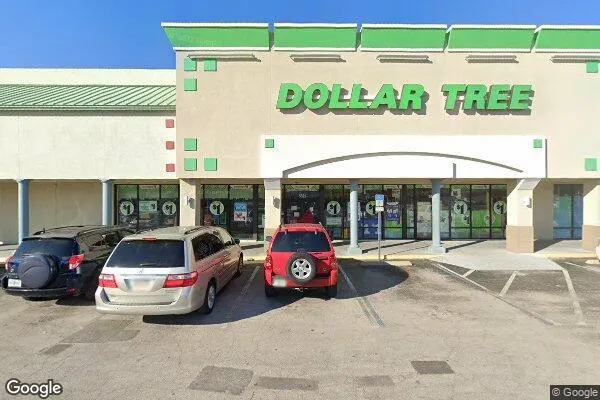
Dollar stores are retail chains or independent discount variety stores that sell new merchandise at fixed, low price points. Originally, everything in the store cost exactly one dollar. That model has evolved quite a bit, and today most of the big chains sell items ranging from around $1 to $5, with some locations now carrying items priced higher in specific categories. But the spirit of it stays the same: new goods, low prices, no negotiating.
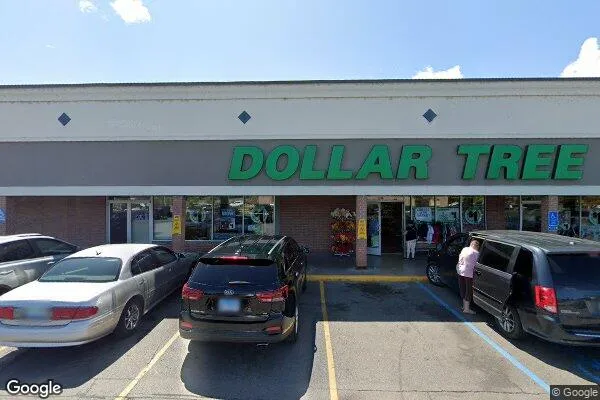
Walk into any Dollar General, Dollar Tree, or smaller independent value store and you'll find a pretty consistent lineup. Cleaning supplies, paper goods, canned food, snacks, seasonal decorations, party supplies, personal care products, school supplies. The shelves are predictable in a good way. You go in knowing roughly what you'll find. That reliability is actually one of the biggest draws for regular shoppers, especially families who need to restock the same things week after week.
The business model behind these bargain stores is worth understanding because it explains a lot about why the prices stay so low. Dollar stores source their products through a mix of methods: overstock merchandise that larger retailers couldn't sell, closeout deals from manufacturers with excess inventory, and private-label goods made specifically for their shelves. Some name-brand items show up too, just in smaller package sizes or older formulations. They also keep their stores small and their operations lean, which keeps overhead costs down. Less square footage, fewer staff, simpler store layout. All of that gets passed along to you as a shopper in the form of low prices.
And honestly, the variety can surprise you. I once found a perfectly decent silicon baking mat at a Dollar Tree for a dollar and a quarter. Same basic product was $12 at a kitchen store nearby. Not every find is like that, but they happen more than you'd expect.
Dollar stores consistently deliver value on consumables: cleaning products, paper towels, dish soap, snacks, birthday supplies, and seasonal decor. These categories are where you'll reliably save money compared to grocery stores or big-box retailers. For durable goods like cookware or electronics, manage your expectations a bit more.
What Are Thrift Stores, and How Do They Work?
Thrift stores are a completely different animal. They're resale shops that sell secondhand, donated, or consignment goods. Clothing, furniture, books, kitchenware, electronics, toys, artwork, records, you name it. In practice, the inventory comes from regular people donating items they no longer want, or in some cases from estate sales and business liquidations. Nothing is manufactured for the store. Everything was owned by someone else first.
There are two main types of thrift stores you'll run into. Nonprofit-operated stores like Goodwill and Salvation Army accept donations, sort and price them, and use the proceeds to fund job training programs, community services, and other charitable work. For-profit resale shops operate on a similar model but keep the money for the business. Some consignment stores are also lumped into this category, though they technically pay sellers a percentage of the sale price when items move.
Pricing at a thrift store is much less predictable than at a discount store. A staff member eyeballs each donated item, considers its condition and brand name, and slaps a price tag on it. Sometimes they get it wrong in your favor. A $200 leather jacket priced at $8 because the tagger didn't recognize the brand. A set of cast iron pans for $4. A first-edition book for fifty cents. These are real things that happen. But so is the opposite: a beat-up polyester shirt priced at $6 when you could buy something similar new for $10 at a discount variety store. Typically, the inventory is genuinely unpredictable, and so are the deals.
Thrift shopping rewards patience.
That's really the core of it. You cannot walk into a thrift store and say "I need a blue blazer in size medium today" and expect to find it. You might. But you also might leave empty-handed after 45 minutes of browsing. As a rule, the experience is fundamentally different from dollar store shopping, where you can reliably grab what you need and be out in ten minutes.
Key Differences: Putting Them Side by Side
On the surface, both store types promise affordable prices, which is probably why people sometimes treat them as interchangeable. They aren't, and knowing the differences helps you shop smarter.
Start with inventory. Dollar stores carry new merchandise. When you pick up a bottle of dish soap or a pack of sponges at a discount store, nobody has used those things before. Thrift stores, by definition, carry used goods. That's not a knock on thrift stores at all, but it's a real distinction that matters for certain categories. You're probably fine buying a used coffee mug or a used jacket. A used toothbrush or used cosmetics? Most people would pass on that, and rightly so.
Pricing works very differently too. Dollar stores offer fixed, predictable prices across consistent product lines. You know before you walk in that most items will cost somewhere between one and five dollars. Thrift store prices vary wildly based on what came in the door this week, who priced it, and what the store's current donation volume looks like. Some thrift stores in higher-income neighborhoods price items significantly higher than stores in lower-income areas, because the donated goods tend to be from higher-end households. For most shoppers, the same items can carry very different price tags at different locations.
Also worth knowing: dollar stores restock regularly on a predictable schedule. Thrift stores cannot do this, because they have no control over what people donate. Inventory is essentially random. Some days the racks are picked over and thin. Other days you walk in right after a massive donation haul and the place is full of amazing finds.
Shopping experience is different in feel too. Walking into a cheap store for dish soap takes five minutes. Walking into a thrift store is more like going to a flea market. You're browsing, not running errands. Some people love that. Others find it exhausting.
Dollar Store: New items, fixed prices, consistent inventory, fast shopping, great for consumables and household staples.
Thrift Store: Used items, variable prices, unpredictable inventory, slower browsing experience, great for clothing, furniture, books, and collectibles.
When to Shop at One vs. the Other
Here's where this gets actually useful for your wallet.
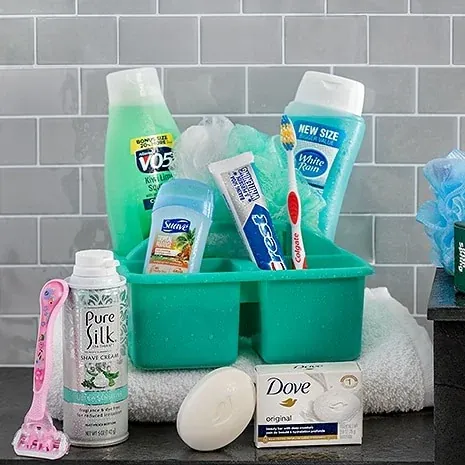
Go to a dollar store when you need something specific and you need it today. Party supplies for a birthday happening this weekend. Cleaning products to restock under the sink. Snacks for a road trip. Aluminum foil, freezer bags, birthday candles, cheap frames for printouts. These are all dollar store wins. You will not leave empty-handed, and you won't spend a lot. Discount stores are genuinely excellent for stocking a cleaning caddy, setting up a college dorm, or filling out a gift basket on a budget.
Go to a thrift store when you're shopping for clothing, furniture, books, or home decor, and you have the flexibility to walk away without finding anything. Thrift stores are fantastic for kids' clothing, because children grow out of things so fast that buying secondhand makes real financial sense. They're great for vintage finds, for building out a bookshelf, for furnishing a first apartment on almost nothing. If you're open to what you find rather than locked onto a specific item, thrift stores can produce extraordinary deals.
And actually, the best strategy combines both. A lot of smart budget shoppers do their regular household restocking at bargain stores and set aside one thrift store trip per week or per month specifically for clothes and home goods. Separate trips, separate purposes. You stop expecting the thrift store to have your laundry detergent, and you stop expecting the dollar store to have a vintage Pyrex casserole dish. Each place does its thing well.
If you're also trying to cut your food costs down to the bone, it might be worth knowing that salvage grocery options exist in many cities too. You can browse salvage grocery stores near you to find places that sell short-dated or overstock food products at deep discounts, which pairs nicely with a dollar store run for household staples.
The Numbers Behind Discount Shopping in America
Our directory currently lists 3,748 discount and bargain store businesses across the country, and those businesses carry an average customer rating of 4.0 stars. That's a strong number. It tells you that people are generally happy with what these stores deliver, which makes sense because they mostly deliver on the one promise they make: low prices.
Geographically, the listings cluster in some interesting places. Springfield leads with 40 listings, followed by Phoenix and Columbus each at 39, Wilmington at 34, and Jackson at 29. It's notable that Springfield, a mid-size city, ties or beats much larger metro areas in total listing count. This probably reflects the density of dollar stores in mid-size and smaller cities where these stores often fill the gap left by the absence of large grocery chains or big-box retailers.
Phoenix and Columbus make sense as large metros with high demand and population. But Wilmington at 34 is a bit of a surprise given its size. Mid-size cities often have strong concentrations of value stores and discount variety stores because they serve populations that genuinely rely on them as primary shopping destinations, not just occasional supplementary stops.
All of this points to a very real and continued consumer appetite for affordable retail. These aren't fringe shopping destinations. They're mainstream, and they're growing.
Top-Rated Dollar Stores According to Our Directory
Want to know what top-rated actually looks like? Here are some of the highest-rated stores across our directory, all carrying perfect 5.0 star scores:
| Store Name | Location | Rating | Reviews |
|---|---|---|---|
| Dollar General | Terre Haute, IN | ⭐ 5.0 | 11 reviews |
| Dollar General | Brownsville, TX | ⭐ 5.0 | 10 reviews |
| Dollar General | Dunlow, WV | ⭐ 5.0 | 9 reviews |
| Dollar Tree | Polson, MT | ⭐ 5.0 | 6 reviews |
| Ukura's Big Dollar Store | McGregor, MN | ⭐ 5.0 | 4 reviews |
A couple of these locations are genuinely interesting from a data standpoint. Dunlow, West Virginia and McGregor, Minnesota are very small towns. Dunlow has a population of a few hundred people. For a Dollar General there to carry a perfect rating is telling: in small rural communities, these stores often function as the only accessible retail option for miles. They're not just convenient; they're essential. A well-run store in that context is going to earn loyal, satisfied customers who genuinely depend on it.
Ukura's Big Dollar Store in McGregor is a good reminder that not all dollar stores are national chains. Independent discount stores exist too, and some of them are absolutely worth seeking out. If you're looking for places like this in your area, checking a directory of discount stores is a much faster way to find them than just hoping you spot one on the road. You can also look into salvage grocery options in your region while you're at it, especially if food costs are where your budget feels the most pinched.
Pros and Cons at a Glance
Dollar stores are better for speed, reliability, and consumable goods. You know what you're getting and you can get in and out fast. Their weakness is quality ceiling: the stuff is cheap partly because it's made cheap, and for some product categories you'll notice the difference. Also, you can't always find what you need in the size you want, since packaging is often scaled down compared to grocery store versions.
Thrift stores are better for bigger finds at lower prices, for clothing, for furniture, for books, and for anyone who enjoys the hunt. Their weakness is time and inconsistency. You can spend an hour in a thrift store and find nothing you want. Or you can spend twenty minutes and walk out with a $4 wool coat. There's no way to know before you go.
I would pick dollar stores over thrift stores for any household restocking run, full stop. But for clothing and home goods shopping, thrift stores are almost always the better option if you have a little patience built into your schedule.
Frequently Asked Questions
Are dollar stores actually cheaper than grocery stores?
For many categories, yes. Cleaning supplies, paper products, candy, and seasonal items at dollar stores are often priced lower than the same or equivalent products at a grocery store. However, for larger-quantity food staples like rice, oil, or flour, grocery stores or warehouse clubs may end up cheaper per unit. It depends on what you're buying and how much you need.
Is everything at a dollar store low quality?
Not everything, no. Some items are genuinely great values. Greeting cards, gift wrap, aluminum foil, cleaning cloths, and party supplies are usually perfectly fine quality for the price. Other categories like electronics accessories or certain food items can be hit or miss. It's worth being selective rather than assuming everything is equally good or equally bad.
Do thrift stores have return policies?
Most thrift stores have limited or no return policies. Some Goodwill locations will allow exchanges within a short window, but many secondhand shops operate on a final sale basis. Always check before you buy, especially on larger items like furniture or electronics.
What's the difference between a thrift store and a consignment shop?
A thrift store accepts donations and prices items itself, keeping all the proceeds. A consignment shop takes in items from sellers and pays those sellers a percentage of the sale price when the item sells. Consignment shops often carry higher-end or more curated merchandise, and prices tend to be higher than at traditional thrift stores as a result.
How do I find dollar stores or bargain stores near me?
Searching "where to find dollar stores near me" online will pull up map results, but a dedicated business directory gives you a much more filtered view with ratings, reviews, and contact information included. Our directory has 3,748 discount and bargain store businesses listed, so it's a solid starting point for finding value stores in your area.
Are nonprofit thrift stores better to shop at than for-profit ones?
It depends on what matters to you. Nonprofit thrift stores like Goodwill put proceeds toward community programs, so your purchase does some good beyond getting you a cheap shirt. For-profit resale shops sometimes offer better curation or pricing, though that