Closeout Stores Are Not Dollar Stores, and That Difference Matters More Than You Think
Someone walks into a closeout store expecting everything to be a dollar. They pick up a KitchenAid accessory, check the tag, and it says $18. They put it back, a little annoyed, and leave thinking they got ripped off. But that $18 item was originally $60 at a department store three months ago, and it was sitting on a shelf there because nobody bought it before the season ended. That's closeout retail. It has almost nothing to do with the dollar-store model, and once you understand what these places actually do, you'll stop comparing them to something they're not.
What Closeout Stores Actually Are
A closeout store buys inventory that major retailers and manufacturers need to get rid of fast. We're talking overstock, discontinued product lines, packaging changes, seasonal leftovers, and sometimes returns that were reshelved and never sold. Brands like Cuisinart, Levi's, or Rubbermaid don't want those extra units sitting in a warehouse. So they sell them in bulk, usually at a steep loss, to closeout retailers who then pass the discount along to you.
That's the whole model. Buy low in bulk, sell low in volume.
What makes closeout stores distinct is that the inventory is almost always name-brand. Not generic, not white-label, not store-brand equivalents. Actual brands you'd recognize from a Target or Macy's shelf, just sold at prices that can run 40 to 70 percent below retail. And yes, sometimes lower than that.
Worth knowing: the products are not defective by default. Some people assume a deep discount means something is wrong with the item. Often there's nothing wrong at all. The timing was off, the color didn't sell, the package got a redesign. That's usually it.
Closeout stores listed in our directory span everything from clothing and housewares to tools, food, and personal care. With 3,748+ verified listings across the directory, it's easy to find stores near you that specialize in specific categories or carry a broad mix.
Walking Into One for the First Time
Honestly, the first visit can be a little disorienting if you do not know what to expect.
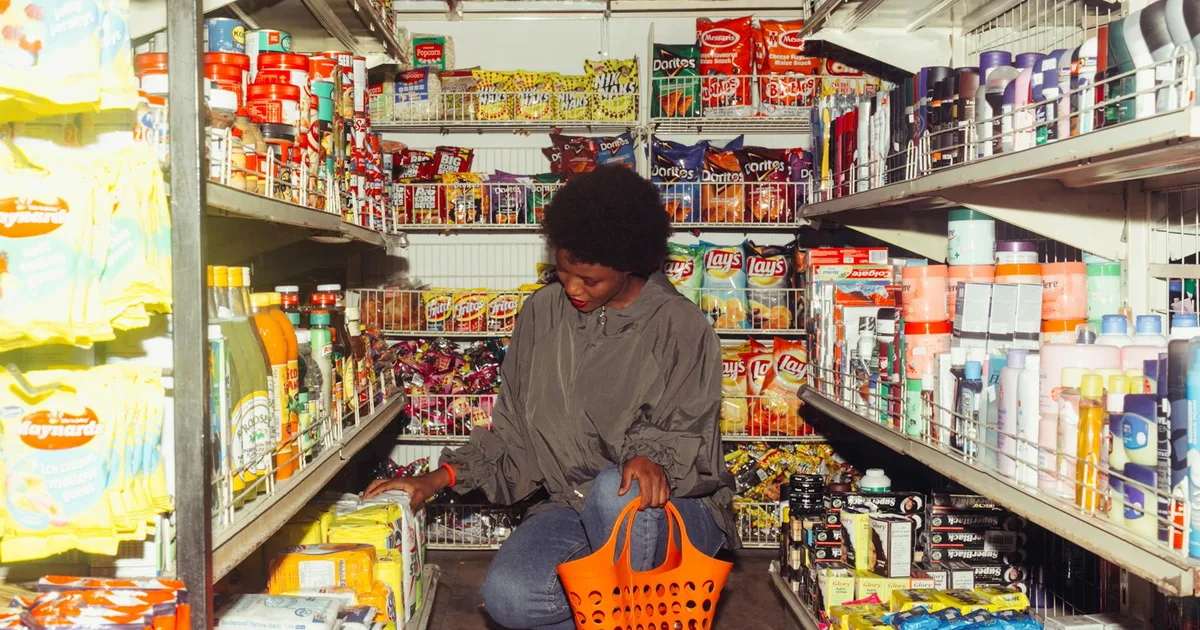
Closeout stores rarely have tidy, department-style organization. You might find a shelf of Neutrogena sunscreen next to a bin of phone cases next to a display of name-brand pasta. The layout reflects what arrived that week, not a planned product strategy. Stock changes constantly. Something you saw last Tuesday will probably be gone by the following weekend, replaced by something completely different.
Pricing labels can also be inconsistent. Some items have original retail price crossed out with the new price written next to it. Others just have a sticker with a number and no context. It helps to have a rough sense of what things cost elsewhere so you can actually judge whether the deal is real. A quick phone check on a product you don't know well is not paranoid; it's just practical.
Bring a bag. Seriously, a lot of these stores charge for bags or don't provide them at all. Small thing, but you'll be glad you remembered.
Products are often stacked in their original shipping boxes, opened up and set on shelves without much staging. That slightly warehouse-ish feeling is intentional. It signals "we're not spending money on presentation" and that's part of how they keep prices down. If you want pretty displays, you'll pay more for them somewhere else.
How Closeout Stores Differ From Dollar Stores and Discount Chains
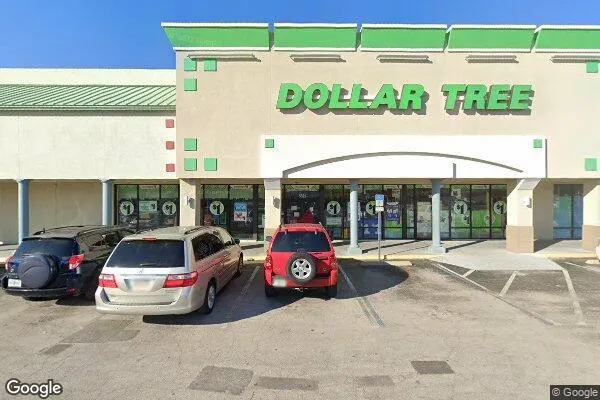
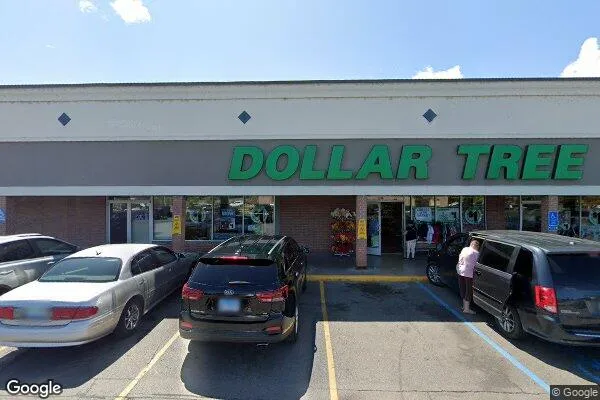
Dollar stores keep consistent inventory. You can go back next month and find the same cleaning spray in the same spot. Closeout stores do not work that way. In practice, the product mix is almost never the same twice, because the whole point is that they're buying what's available right now, not building a permanent catalog.
Discount chains like TJ Maxx or Ross operate on a similar closeout principle, but they tend to focus on clothing and home goods with a higher-end presentation. Closeout stores usually cast a wider net and have less predictable category mixes. They also tend to be smaller, independently owned, or part of regional chains rather than national brands.
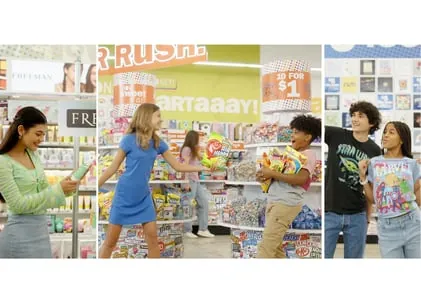
Dollar stores mostly sell things priced at or near one dollar, often lower-quality goods made specifically for that price point. Closeout stores sell brand-name goods that happen to be discounted. That's a meaningful difference in what you're actually getting home.
I'd pick a closeout store over a dollar store any time I want something that needs to last more than a season. For paper towels or birthday candles? Dollar store is fine. For cookware, tools, or clothing? Closeout wins almost every time.
How to Get the Most Out of These Stores
Go often. Not just once. Because inventory rotates so quickly, a store that had nothing useful for you last month might have exactly what you need this week. Regular visitors tend to find better deals simply because they show up more.
Check condition carefully. Most items are perfectly fine, but since these stores sometimes carry customer returns mixed in with true overstock, it pays to open the box if you can and look at what's inside before buying. A missing part is not something you'll be able to exchange easily.
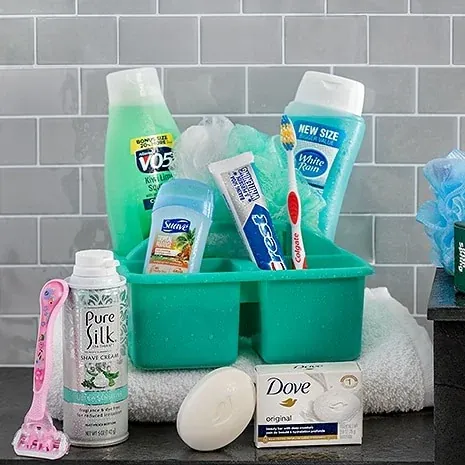
Don't overlook food and personal care sections. Some closeout stores carry name-brand pantry items, supplements, or cosmetics at prices you won't find anywhere else. Expiration dates are worth a glance, but most products have plenty of shelf life left; the brand just changed the formula or the packaging and needed to move the old version out.
Use the directory to compare what's near you. Store quality and inventory range vary a lot. An average rating of 4.0 stars across the directory's listings suggests most of these places are worth your time, but reading a few recent reviews before a longer drive is never a bad idea.
Closeout stores reward curiosity more than any other retail format. Go in without a specific shopping list, stay open to what's actually there, and you'll almost always find something worth buying. That's part of the appeal, and it's something no other store type quite replicates.