99-Cent Stores Still Deliver Real Value — Here's What You'll Actually Find Inside
You walk into a dollar store expecting to grab a few things quickly and walk out spending almost nothing. Then you spend twenty minutes trying to figure out which items are actually under a dollar, which ones have crept up to $1.25, and whether that bottle of dish soap is a good deal or just a good-looking label. It's confusing. 99-cent stores are a specific type of discount retailer, and once you understand how they work, the whole experience gets a lot easier.
1. What a 99-Cent Store Actually Is
Not all dollar stores are the same. That sounds obvious, but it trips people up constantly.
A 99-cent store is a discount retailer built around a single pricing promise: most items cost 99 cents or less. That's the core of the model. Unlike general dollar stores that might price things anywhere from $1 to $5 or even higher, these places stick close to that sub-dollar ceiling on the majority of their stock. Household goods, personal care products, cleaning supplies, snacks, seasonal decorations, all priced to stay under a dollar wherever possible.
Yes, some items do go above 99 cents, especially as wholesale costs have shifted over the years. But the intent and the bulk of the inventory stays anchored to that original price point. Walking in with a $10 bill, you can realistically walk out with a full bag.
Honestly, that's rarer than it sounds in retail right now.
Because these stores commit to a tight price ceiling, they stock products differently than a general dollar store would. You'll find a narrower range of brands, sometimes store-brand or off-brand versions of familiar products, and occasional closeout or overstock items from larger manufacturers. That's not a flaw. It's the whole reason the prices work.
2. What You'll Find on the Shelves
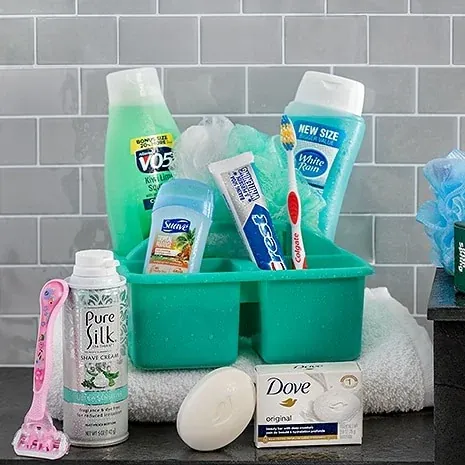
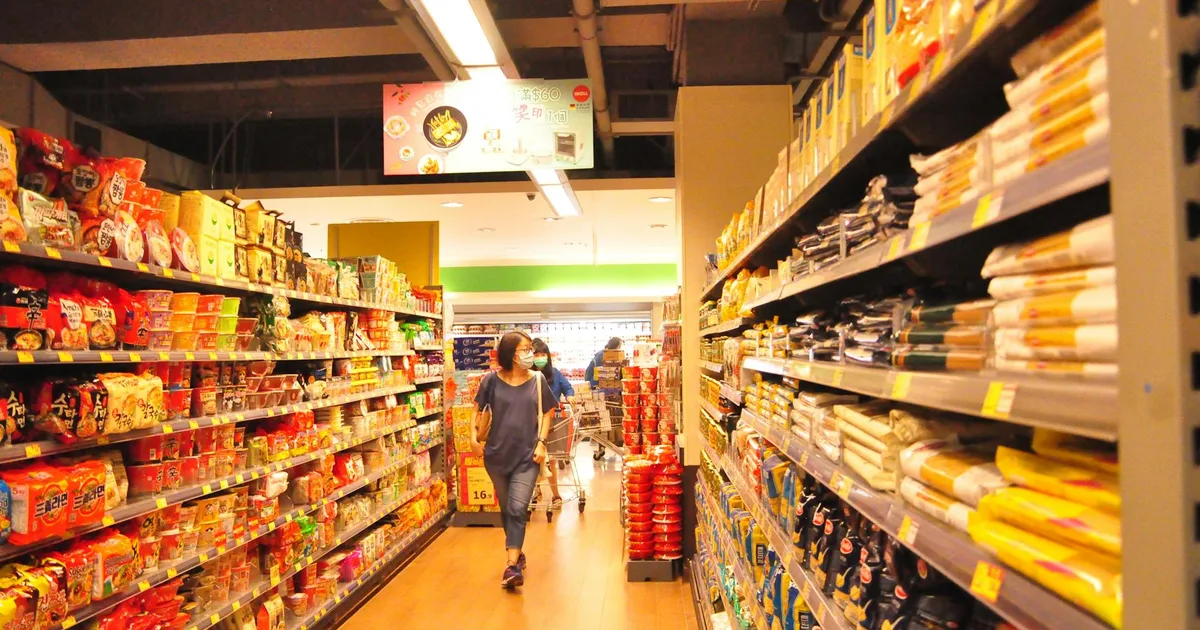
Personal care is usually strong. Shampoo, conditioner, toothpaste, soap, razors, cotton balls, the kind of stuff that disappears from your bathroom faster than you expect. These places tend to stock this category well because demand is consistent and the items are easy to source at low cost.
Household goods are another reliable section. Sponges, scrub brushes, dish soap, trash bags, paper towels in smaller pack sizes. You're not getting a 12-roll mega-pack for 99 cents, obviously, but a 2-roll or 4-roll pack? Frequently, yes.
Food and snack items vary a lot by location. Some 99-cent stores carry a solid grocery section with canned goods, dry pasta, condiments, and even some refrigerated items. Others keep it minimal. It's worth checking your specific store before planning a grocery run around it.
Seasonal stuff is worth a mention too. Around Halloween, Christmas, Easter, and back-to-school season, these stores pull in decorations, gift wrap, cards, and small themed items that would cost three to five times more at a pharmacy or grocery store. I would pick a 99-cent store over a drugstore for holiday gift wrap every single time.
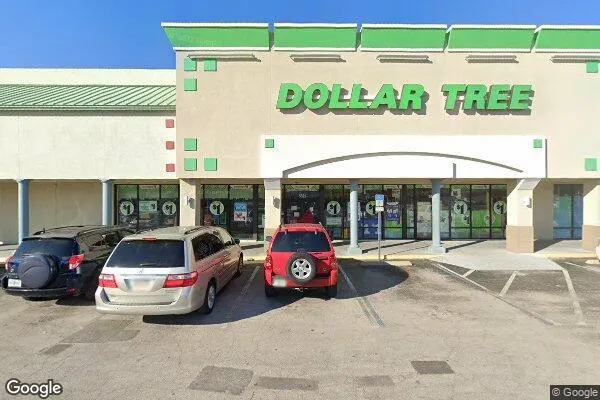
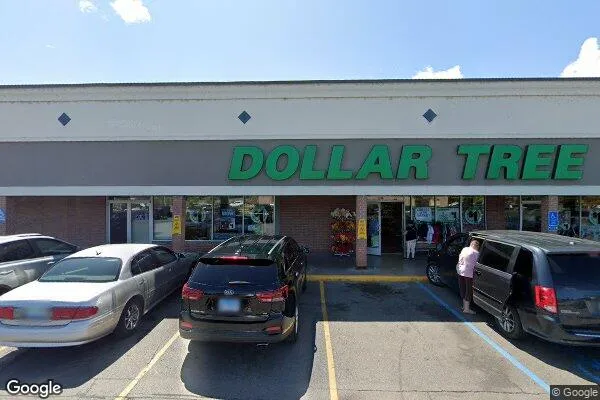
And the parking lots, for what it's worth, are usually small strip-mall style setups. Nothing fancy. Sometimes the signage is faded. Don't let that put you off.
3. How 99-Cent Stores Differ From Other Dollar Stores
Dollar Tree, Family Dollar, Dollar General, these are all discount retailers, but they're not the same thing. Dollar Tree has historically held a strict $1.25 price point across nearly everything. Family Dollar and Dollar General carry a wide range of prices and stock items well above a few dollars, functioning more like small discount grocery stores than true single-price shops.
99-cent stores sit in their own category. They're closer to Dollar Tree in concept, but often more locally owned and operated. You'll find them concentrated in certain regions, particularly in California and the Southwest, where the format has deep roots. Our directory has 3,748+ verified listings across store types, and 99-cent stores represent a distinct segment with their own character and inventory approach.
The average rating across verified listings sits at 4.0 stars, which is solid for a discount retail category. Shoppers tend to rate these stores well when the stock is fresh, the shelves are organized, and the price promise holds up.
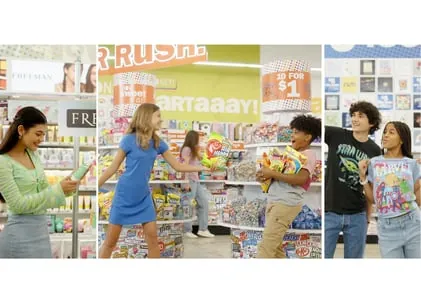
One thing that genuinely separates 99-cent stores from their cousins: the hunt element. Because inventory turns over and closeout items rotate in and out, you might find something genuinely surprising on a Tuesday that won't be there on Saturday. Some people find that annoying. Others find it half the fun.
4. How to Get the Most Out of a Visit
Go in with a loose list, not a rigid one. If you need dish soap and don't care about the brand, you'll almost certainly find it. If you need a specific product from a specific manufacturer, you might not.
Check expiration dates on food items. This is true of any discount retailer, but it's especially worth the five seconds at a 99-cent store since overstock and closeout goods sometimes end up there close to their best-by dates. Not expired, usually, but close enough that you'll want to use them soon.
Visit more than once before writing a store off. Stock varies week to week, and a store that seemed sparse one visit might have a great selection of cleaning products the next. Wait, that's not quite right, it's not just about timing, it's also about which distribution channels that particular location uses. Some stores in the same chain can look totally different inside depending on what their regional supplier had available.
Use the directory to find verified locations near you with recent ratings. A 4-star or higher rating on a 99-cent store usually means the shelves are stocked consistently and the pricing is honest. That's the baseline you want.
These stores aren't glamorous. But for household staples, personal care basics, and the occasional surprising find, they do the job well and they do it cheap. That's the whole point.